
The height of summer brings intense challenges for any property. When temperatures climb and rainfall becomes scarce, landscapes often struggle to maintain their health. Managing this period of peak heat stress requires a shift in routine and a proactive approach to care. By understanding the biological needs of plants and turf, you can protect your outdoor investment and ensure your property remains resilient until the season changes.
Understanding Heat Stress in Turfgrass

Plants undergo significant changes when exposed to prolonged high temperatures. During a heatwave, turfgrass blades lose water through transpiration at a rate that often exceeds what the roots can pull from the soil. This deficit forces the plant to prioritize survival over growth. You might notice wilting as the blades lose their turgidity, or thinning as the plant attempts to conserve its resources.
Color changes are a common indicator of stress. Healthy, vibrant green hues may transition to dull yellow or brown patches as the plant enters a period of summer dormancy. This is a natural defense mechanism intended to preserve the root system until conditions improve. Recognizing these signs early allows for faster intervention before the damage becomes permanent.
Essential Watering and Mowing Practices
Water management is the most critical element of landscape survival during extreme heat. Traditional light, frequent watering schedules often fail because they encourage shallow root development. Instead, focus on deep, infrequent soaking, which encourages roots to grow deeper into the soil where moisture remains available for longer.
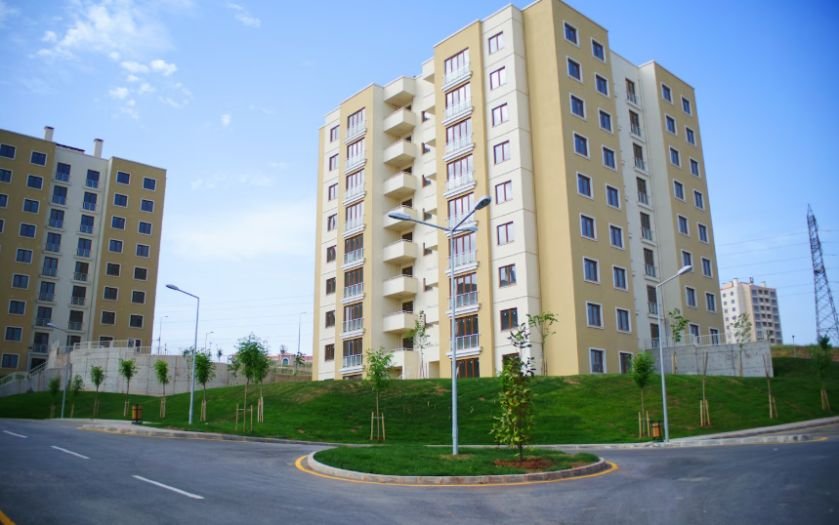
Healthy, well-hydrated landscapes not only withstand harsh weather more effectively but also create inviting outdoor environments, helping explain why open landscapes feel so restorative by providing cooler, greener spaces that promote relaxation, comfort, and a stronger connection with nature.
This method forces roots to grow deeper into the soil profile where moisture remains available even when surface temperatures are high. Watering should occur in the early morning to minimize evaporation loss and ensure the foliage dries quickly, which helps discourage fungal growth.
Mowing also requires adjustment when the thermometer rises. Raising your deck height is one of the simplest ways to protect your lawn. Longer grass blades shade the soil surface, which lowers the ground temperature and reduces the rate of moisture evaporation. Additionally, taller grass can develop a more extensive root system, providing better stability during dry spells.
When performing this task, ensure your blades are sharp. Dull blades tear the grass rather than cutting it cleanly, leaving open wounds that are highly susceptible to drying out. Relying on well-maintained outdoor power equipment from Midvale will help you achieve a clean cut every time, preventing unnecessary stress on your turf.
Managing Soil Health and Fertility

The condition of the soil below the surface plays a major role in how well your landscape handles heat. Compacted soil acts as a barrier, preventing water and oxygen from reaching the root zone. While major aeration is best performed in the spring or fall, understanding your soil structure helps in making day-to-day decisions. If your ground is hard and resists water absorption, you may need to apply a wetting agent or a light layer of organic compost to improve water infiltration.
Fertilization timing is equally important. Heavy nitrogen applications during a heatwave can be detrimental. They force the plant to prioritize top growth when it should be focused on root maintenance. It is often better to hold off on significant fertilization until temperatures moderate, allowing the grass to maintain its current energy levels without the demand of producing new tissue.
Proactive Preventive Measures
Taking steps before the heat peaks can drastically improve outcomes. Mulching is a highly effective strategy for garden beds, trees, and shrub zones. A two to three-inch layer of organic mulch serves as an insulator, keeping the soil significantly cooler and locking in existing moisture. This barrier also suppresses weeds that would otherwise compete for the limited water available in the ground.
Shade management is another long-term strategy. While you cannot change the position of the sun, you can strategically introduce temporary shade cloths or plan for future planting of trees and large shrubs that will provide relief for more sensitive plants.
Finally, monitoring soil moisture levels takes the guesswork out of your maintenance schedule. Use a soil probe or a simple long screwdriver to check how deep the moisture penetrates. If the tool hits hard, dry dirt just a few inches down, your irrigation schedule likely needs adjustment.
By shifting your focus from aesthetic perfection to functional survival, you can protect your landscape through the toughest weeks of the year. Consistent, observant care ensures that when the weather eventually breaks, your lawn and garden will be ready to bounce back with vigor.