

Car accidents are unpredictable, jarring, and can happen to even the most experienced drivers. In the immediate aftermath of a collision, your adrenaline surges, making it incredibly difficult to think clearly or determine your next steps. However, the actions you take in those first few moments are critical for protecting your physical safety, preserving your legal rights, and simplifying the upcoming insurance claims process.
To help you navigate the chaos of a crash with confidence, keep this comprehensive, step-by-step checklist in mind whenever you hit the road.
1. Prioritize Safety and Check for Injuries

The absolute first priority following any vehicle collision is the health and safety of everyone involved. Before letting panic set in, take a deep breath and assess the situation.
- Check for injuries: Evaluate yourself and your passengers for any visible or internal pain.
- Move to safety: If the accident is minor and your vehicle is still operable, carefully pull over to the side of the road or out of active traffic to prevent secondary collisions. If the crash is severe or injuries prevent movement, leave the vehicles exactly where they are.
- Signal danger: Turn on your hazard lights immediately to alert oncoming motorists, and set up emergency flares or warning triangles if you have them available.
Never flee or hastily leave the scene of a crash, as doing so can carry severe legal consequences, regardless of who caused the incident.
2. Call Emergency Services Immediately
No matter how minor the collision may appear, you should always contact local authorities. Dial 911 to request a police dispatch and medical assistance if anyone requires treatment.
A formal police report acts as an objective, official record of the event, which is vital when establishing liability with insurance adjusters later. While waiting for the police to arrive, note the officers’ names and badge numbers so you can easily obtain a copy of their report later.
3. Document the Scene and Exchange Information
Once you are in a safe position, begin gathering evidence. Memory fades quickly under stress, so capturing visual documentation right away is invaluable.
Use your smartphone to photograph the entire scene from multiple angles. Be sure to capture vehicle damage, license plates, nearby traffic signs, road skid marks, and current weather conditions. While evaluating your car’s condition, remember that even minor impacts can compromise structural integrity. For example, a front-end collision can easily crack your front glass, requiring a professional windshield replacement in Orem before the vehicle is safe to operate again.
Next, approach the other driver to calmly exchange essential details, including:
- Full name and contact information
- Insurance company name and policy number
- Driver’s license number and license plate details
- Vehicle make, model, and color
If there are any bystanders or witnesses nearby, politely ask for their names and contact numbers as well. Their neutral perspectives can provide crucial clarity if conflicting accounts arise later.
4. Watch Your Words and Avoid Admitting Fault
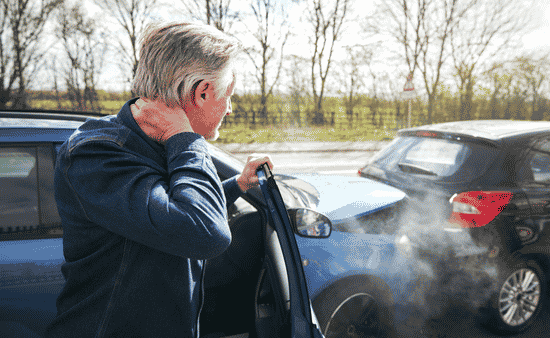
It is human nature to apologize or say “I’m sorry” after a stressful event, but you must avoid doing so at an accident scene. Apologies can easily be misinterpreted by insurance companies or the other party as a legal admission of guilt. Stick purely to the objective facts when speaking with the other driver, witnesses, or responding officers, and let the investigators determine fault based on the physical evidence.
Insurance companies evaluate accident claims using several key factors, including police reports, witness statements, photographs and videos from the scene, vehicle damage, medical records, traffic laws, and any available surveillance or dashcam footage. Providing accurate information without admitting fault helps ensure that your claim is assessed fairly based on the evidence rather than on statements that could be taken out of context.
5. Seek Professional Medical Evaluation
Adrenaline is a powerful hormone that can easily mask symptoms of pain or injury right after a crash. Hidden conditions such as whiplash, internal bleeding, or mild concussions may not fully manifest until hours or even days later. Visiting a doctor immediately ensures your health is protected and creates a definitive medical timeline linking any delayed injuries directly to the accident.
6. Notify Your Insurance Provider
Finally, report the accident to your auto insurance company as soon as possible. Most insurance policies mandate prompt notification, and delaying this step can jeopardize your coverage or result in a swift claim denial. Share the gathered photographs, witness details, and police reports to help expedite your recovery and get your vehicle back on the road.