
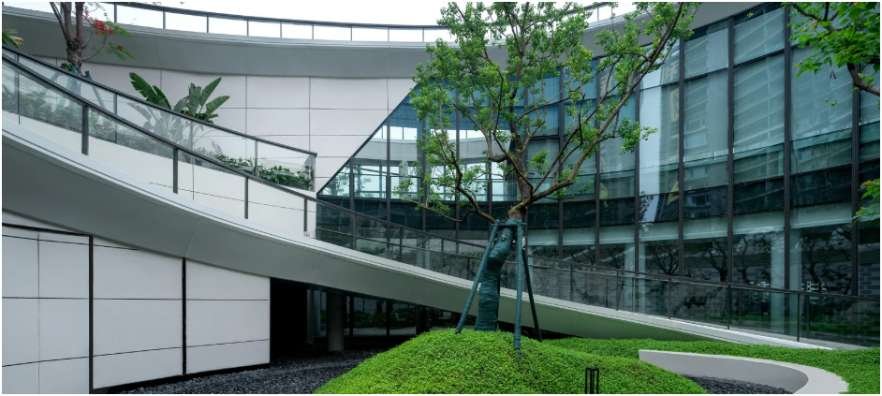
In an era where technology permeates every aspect of our lives, the buildings where we learn and work are undergoing a significant transformation. The concept of “smart buildings” has moved beyond futuristic theory into a practical necessity for modern facility management. For schools and offices alike, the integration of intelligent systems is not just about convenience; it is about creating environments that are safer, healthier, and significantly more energy-efficient.
Upgrading educational and professional facilities with smart technology addresses a multitude of challenges, from rising energy costs to the need for improved indoor air quality. These upgrades provide facility managers with granular control over building operations, allowing for data-driven decisions that optimize resources and enhance the occupant experience. By investing in these intelligent solutions, institutions and businesses can future-proof their infrastructure, ensuring that their physical spaces evolve in tandem with the needs of their users.
1. Intelligent HVAC and Air Quality Monitoring
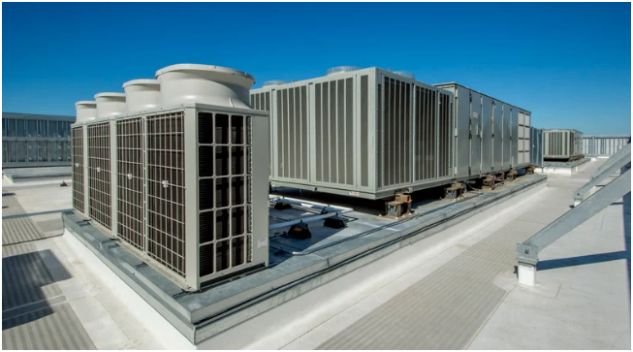
One of the most impactful upgrades for any large facility is the implementation of a smart Heating, Ventilation, and Air Conditioning (HVAC) system. Unlike traditional systems that operate on rigid schedules, smart HVAC solutions utilize a network of sensors to monitor real-time conditions within the building to prevent long term repair costs. These systems measure carbon dioxide levels, humidity, and temperature zone by zone, adjusting airflow and cooling automatically to maintain optimal comfort.
For schools, this is particularly critical. Studies have consistently shown that poor indoor air quality can negatively affect cognitive function and student performance. By integrating air quality monitoring, the system can automatically increase fresh air intake when CO2 levels rise in a crowded classroom.
In office settings, this technology ensures that meeting rooms are cooled only when occupied, preventing the energy waste associated with conditioning empty spaces. Furthermore, predictive maintenance features can alert facilities teams to potential equipment failures before they cause disruptions, ensuring a consistent learning and working environment.
2. Automated Lighting and Daylight Harvesting
Lighting accounts for a substantial portion of energy consumption in commercial and educational buildings. Smart lighting systems go far beyond simple motion sensors. They employ advanced strategies such as daylight harvesting, where photosensors detect the amount of natural light entering a room and automatically dim the artificial fixtures to maintain a consistent light level. This seamless adjustment reduces energy usage significantly during daylight hours.
In addition to energy savings, smart lighting supports human-centric design principles. Tunable white lighting can adjust the color temperature throughout the day to match natural circadian rhythms—providing cooler, energizing light in the morning to boost focus and warmer light in the afternoon to signal a transition to relaxation.
In a school setting, teachers can utilize preset lighting scenes to calm students after recess or sharpen focus during exams, effectively using the building infrastructure as a tool for classroom management.
3. Advanced Security and Resilient Building Envelopes
Security is a top priority for both schools and corporate offices. Modern smart security upgrades move away from passive monitoring to active, integrated access control. This includes systems like mobile credentialing, where employees or staff use their smartphones to unlock doors, and visitor management systems that instantly screen guests against watchlists. These digital layers of security provide real-time data on who is in the building, which is crucial during emergencies.
However, a truly “smart” upgrade strategy also considers the physical resilience of the building envelope, particularly in regions prone to severe weather. Protecting the structural integrity of a facility is the foundation of safety to prevent common issues found in storm damage. For institutions in storm-active areas, strengthening the exterior glass is a smart investment in continuity and safety.
Installing impact windows in Davie, FL, for example, creates a robust barrier against high winds and flying debris. While this is a physical upgrade, it integrates with the broader goal of facility resilience, ensuring that expensive smart interior tech is protected from the elements and that the building remains secure during adverse conditions.
4. IoT-Enabled Water Management

Water conservation is often an overlooked aspect of smart building strategies, yet it offers significant cost-saving potential. Smart water management systems utilize Internet of Things (IoT) sensors to detect leaks, monitor usage patterns, and control flow rates.
In a large office complex or school district, a silent leak behind a wall or a running toilet can waste thousands of gallons of water unnoticed. IoT sensors can detect unusual flow patterns and alert maintenance staff immediately, or even shut off the water supply remotely to prevent damage.
Beyond leak detection, touchless faucets and flush valves reduce water consumption and improve hygiene—a critical factor in post-pandemic facility management. These systems can track usage frequency, helping cleaning crews optimize their schedules based on actual restroom traffic rather than arbitrary timetables.
This data-driven approach ensures that resources are directed where they are needed most, maintaining high standards of cleanliness while conserving water.
5. Occupancy Analytics and Space Utilization
Understanding how space is actually used is the key to optimizing real estate efficiency. Smart sensors can track occupancy rates in real-time, providing heat maps of how people move through a building.
For office managers, this data might reveal that a large conference room is rarely used to capacity, suggesting a renovation into smaller breakout rooms might be more beneficial.
In schools, these analytics can help administrators understand flow during class changes, optimizing schedules to reduce congestion in hallways. This technology respects privacy by using anonymous data points—counters or motion detectors rather than cameras—to generate insights.
By aligning the physical layout of the building with actual usage behaviors, organizations can reduce wasted space and energy, ensuring that every square foot serves a purpose.
Summary of Benefits
The transition to smart buildings represents a shift from reactive to proactive facility management. By layering intelligent technology over physical infrastructure, schools and offices can create ecosystems that are responsive to the needs of their occupants.
Whether it is through self-regulating HVAC systems that boost cognitive performance, lighting that mimics the sun, or resilient upgrades that protect the asset, these investments yield long-term dividends in the form of lower operational costs and enhanced human well-being.