
Utah is famously beautiful. From the red rocks of the south to the snow-capped peaks of the Wasatch Front, the landscape is a major draw for new residents. However, the very geology and climate that make the state stunning also pose unique challenges for homeowners. Whether you are buying a historic bungalow in the Avenues or a new build in Lehi, local environmental factors can wreak havoc on a property if they aren’t managed correctly.
Shifting Ground: Foundation and Soil Issues
One of the most pervasive, yet frequently ignored, problems in Utah involves what lies beneath the home. The state is home to significant deposits of expansive soil, particularly bentonite clay. This type of soil is highly reactive to moisture. When it gets wet, it swells significantly; when it dries out, it shrinks and cracks.
This constant expansion and contraction puts immense pressure on a home’s foundation. Over time, this movement can cause concrete slabs to heave or settle unevenly. You might notice sticking doors, cracks in the drywall, or gaps forming between the floor and the baseboards. While minor settling is normal in many older homes, the aggressive movement caused by expansive soil can compromise the structural integrity of the house.
Seismic Activity
Beyond the soil, Utah sits on active fault lines, most notably the Wasatch Fault. While catastrophic earthquakes are rare, smaller tremors and the general geological instability of the region add stress to foundations. Many older homes were not built to modern seismic codes, leaving them vulnerable to shifting ground.
If you notice significant cracking in your driveway, garage floor, or foundation walls, it is crucial not to ignore it. While some cracks are cosmetic, others indicate that the home is literally pulling apart. Specialized concrete repair services in Salt Lake City can often level sinking slabs and seal cracks before they become unmanageable, preventing water intrusion and further structural degradation.
The HVAC Struggle: Battling Extreme Temperatures
Utah is a high desert environment. This means the state experiences scorching dry summers and freezing snowy winters. This wide temperature variance places a heavy load on Heating, Ventilation, and Air Conditioning (HVAC) systems. In more moderate climates, a furnace or AC unit might get a break during the shoulder seasons. In Utah, these systems are often running at capacity for large portions of the year.

The most overlooked aspect here is not just the age of the furnace, but the impact of low humidity. The dry air can cause wood floors and furniture to crack and can exacerbate respiratory issues for residents. Many homeowners fail to install or maintain whole-home humidifiers, which are essential for balancing the indoor climate.
The Inversion Factor
Another unique local challenge is the winter inversion. In the valleys, cold air often gets trapped under a layer of warm air, holding in pollutants. This results in poor air quality that seeps into homes. Standard HVAC filters are often insufficient for these periods. Homeowners frequently neglect to upgrade to high-efficiency particulate air (HEPA) filters or fail to change them frequently enough during inversion season, leading to poor indoor air quality and strain on the HVAC motor.
Insulation and Weatherization Gaps
Because energy costs in Utah have historically been relatively low compared to coastal states, builders in previous decades sometimes skimped on insulation. However, as energy prices rise and extreme weather events become more common, poor weatherization is becoming a costly oversight.
In the summer, a poorly insulated attic turns into a heat trap, forcing your air conditioner to work overtime to keep the upper floors cool. In the winter, the problem creates a phenomenon known as ice dams. Heat escaping through the roof melts the snow on top, which then runs down to the cold eaves and refreezes. This builds a dam of ice that traps water, forcing it back under the shingles and into the home’s ceiling and walls.
Many homeowners assume their insulation is adequate because they don’t see immediate leaks. However, inspecting the depth and quality of attic insulation is one of the most cost-effective ways to prevent long-term moisture damage and reduce monthly utility bills.
Water Management in a Desert
Utah is the second driest state in the nation, yet water management remains a massive issue for residential properties. This paradox creates two distinct problems: water scarcity outdoors and hard water damage indoors.
Hard Water Damage
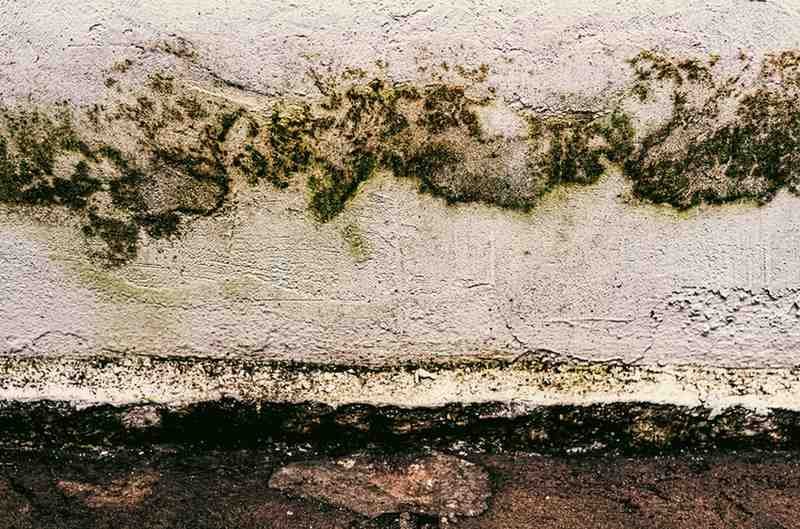
Utah has some of the hardest water in the country due to the high mineral content (calcium and magnesium) in the rocky aquifers. While safe to drink, hard water is brutal on plumbing. It causes scale buildup in pipes, reducing water flow and pressure over time. It also significantly shortens the lifespan of water heaters, dishwashers, and washing machines.
Homeowners often overlook the necessity of a water softener. Without one, you may find yourself replacing appliances years before their expected expiration date. If you buy a home without a softener, checking the water heater for sediment buildup is a critical maintenance task.
Drainage and Irrigation
On the exterior, the soil conditions mentioned earlier make drainage critical. Because the clay soil doesn’t absorb water quickly, heavy rainstorms or rapid snowmelt can lead to surface flooding. If the grading around the house doesn’t slope away from the foundation, water will pool against the concrete, leading to basement flooding and accelerating the foundation issues discussed earlier.
Furthermore, many Utah homes utilize “secondary water” systems—untreated canal water used for irrigation. While this saves potable water, these systems are prone to clogging with silt and debris. Homeowners often neglect the specialized filters required for secondary water, leading to broken sprinkler heads and dead lawns in the peak of July heat.
Conclusion
Owning a home in Utah offers incredible access to nature and a high quality of life, but it requires vigilance. The geological and climatic forces at play are powerful. By paying attention to the condition of your foundation, optimizing your HVAC for the high desert climate, ensuring proper insulation, and managing both hard and exterior water, you can mitigate the risks specific to this region.