
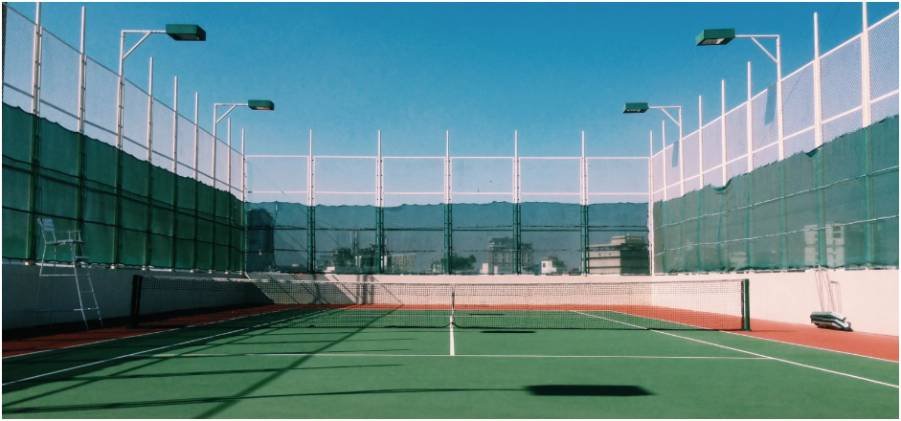
While tennis courts are built for years of play, no surface lasts forever. Over time, weather, foot traffic, and natural aging affect a court’s appearance and performance. Resurfacing at the right time is crucial for maintaining safety, playability, and value.
Knowing when to resurface helps court owners plan and prevent more expensive repairs. For anyone managing a tennis court, understanding this timeline is a key part of long-term care.
The Typical Resurfacing Timeline
Most tennis courts should be resurfaced every four to eight years. The exact timing depends on factors like court usage, the quality of the original installation, and ongoing maintenance. For example, high-traffic courts at clubs or public parks will need resurfacing more frequently than private courts.
Conversely, courts with lighter use can often go longer before needing work. This timeline should be treated as a general guideline to help owners make informed decisions.
How Usage Levels Affect Resurfacing Frequency
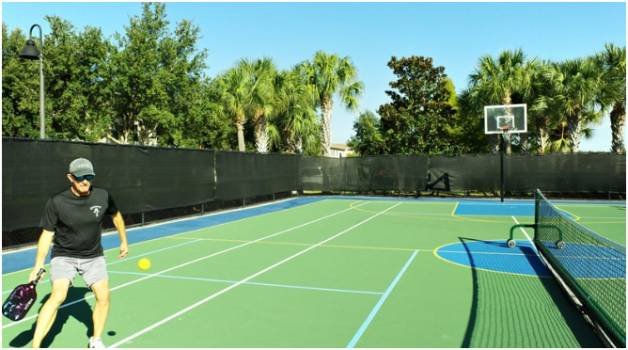
The frequency of use significantly affects court surface wear. Daily play increases friction, accelerates color fading, and adds surface stress.
Courts used for competitive matches, lessons, or group activities often experience heavier wear in specific areas like the baselines and service boxes. These high-impact zones tend to show damage sooner, potentially requiring resurfacing earlier than anticipated.
Climate and Weather Considerations
Weather greatly impacts a court’s lifespan. Outdoor courts are exposed to sun, rain, snow, and fluctuating temperatures. Freeze-thaw cycles are particularly damaging, as water can seep into small cracks, expand when it freezes, and enlarge the cracks over time.
Intense sun exposure can also fade colors and weaken the surface coating. Due to these factors, courts in harsh climates often need resurfacing sooner than those in more stable environments.
Signs That Indicate Resurfacing Is Needed
Instead of relying on a calendar, watch for visible and functional signs of wear and tear. Common indicators include cracks, fading, peeling coatings, and a rough texture.
Changes in ball bounce, reduced traction, or slippery spots also suggest the surface is no longer performing optimally. When these signs become noticeable, it’s time to consider resurfacing, even if the court hasn’t reached its expected age for it.
The Role of Regular Maintenance
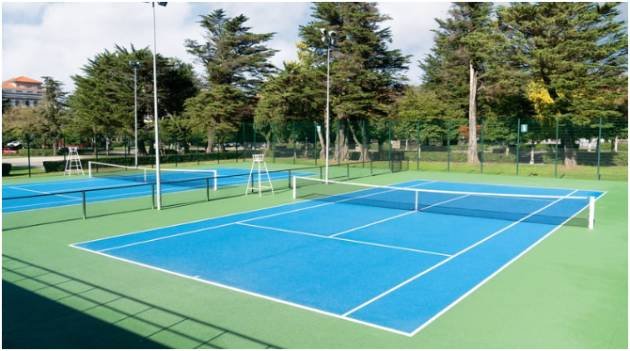
Professional services save owners time and long-term repair costs, which is key to extending your court’s lifespan. Proactively removing debris, sealing small cracks, and ensuring drainage systems are clear will protect the surface from premature wear.
These minor repairs prevent small defects from escalating into structural failures. Ultimately, consistent care keeps the court in top playing condition and reduces the frequency of full resurfacing.
Why Waiting Too Long Can Be Costly
Delaying resurfacing can cause serious structural damage. Ignoring surface cracks allows water to seep into the base layers, leading to shifting or soft spots.
Once the base is damaged, repairs become more complicated and costly. Resurfacing on time safeguards the court’s structure and helps prevent the need for a full reconstruction by expert property management services.
Differences Between Resurfacing and Repair
Understanding the difference between resurfacing and repairs is essential. Repairs focus on specific issues like small cracks or low spots, while resurfacing renews the entire playing surface. When repairs become frequent or widespread, resurfacing is often a more practical choice. A new surface ensures consistent play, a uniform texture, and longer-lasting durability.
Court Type and Surface Materials Matter
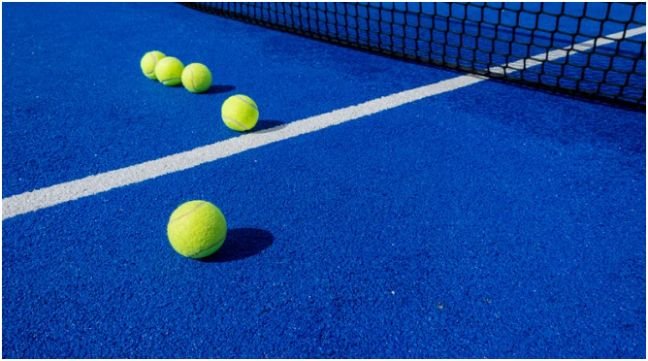
The choice of surface material significantly affects how often resurfacing is required. Acrylic-based surfaces are popular for their durability and flexibility. High-quality materials tend to last longer and handle wear better. Courts constructed with proper materials and techniques often stay in good condition longer before needing resurfacing.
Player Safety and Performance Considerations
Court surface conditions directly impact player safety. Worn or uneven surfaces increase the risk of slips, trips, and joint strain. Resurfacing restores traction and smoothness, making the court safer and more enjoyable to use. A consistent surface also enhances ball response, supporting better play for all skill levels.
Scheduling Resurfacing at the Right Time
Scheduling resurfacing during off-seasons or low-use periods helps reduce disruptions. It’s also important to consider weather, as proper temperatures and dry conditions are essential for the process. Planning ahead allows court owners to budget effectively and schedule the work at the most convenient time.
Long-Term Planning for Court Longevity
Resurfacing is a strategic investment rather than a simple maintenance task. Courts that are resurfaced at regular intervals perform better, last longer, and reduce long-term maintenance costs. For those managing tennis court resurfacing in Utah, evaluating local weather exposure, frequency of use, and past maintenance will help you determine the most effective schedule.
Conclusion
How often a tennis court needs resurfacing depends on several factors, including usage patterns, climate, surface condition, and maintenance practices.
By monitoring the court’s performance and addressing issues promptly, owners can protect their investment and ensure a safe, high-quality playing experience for years to come.