
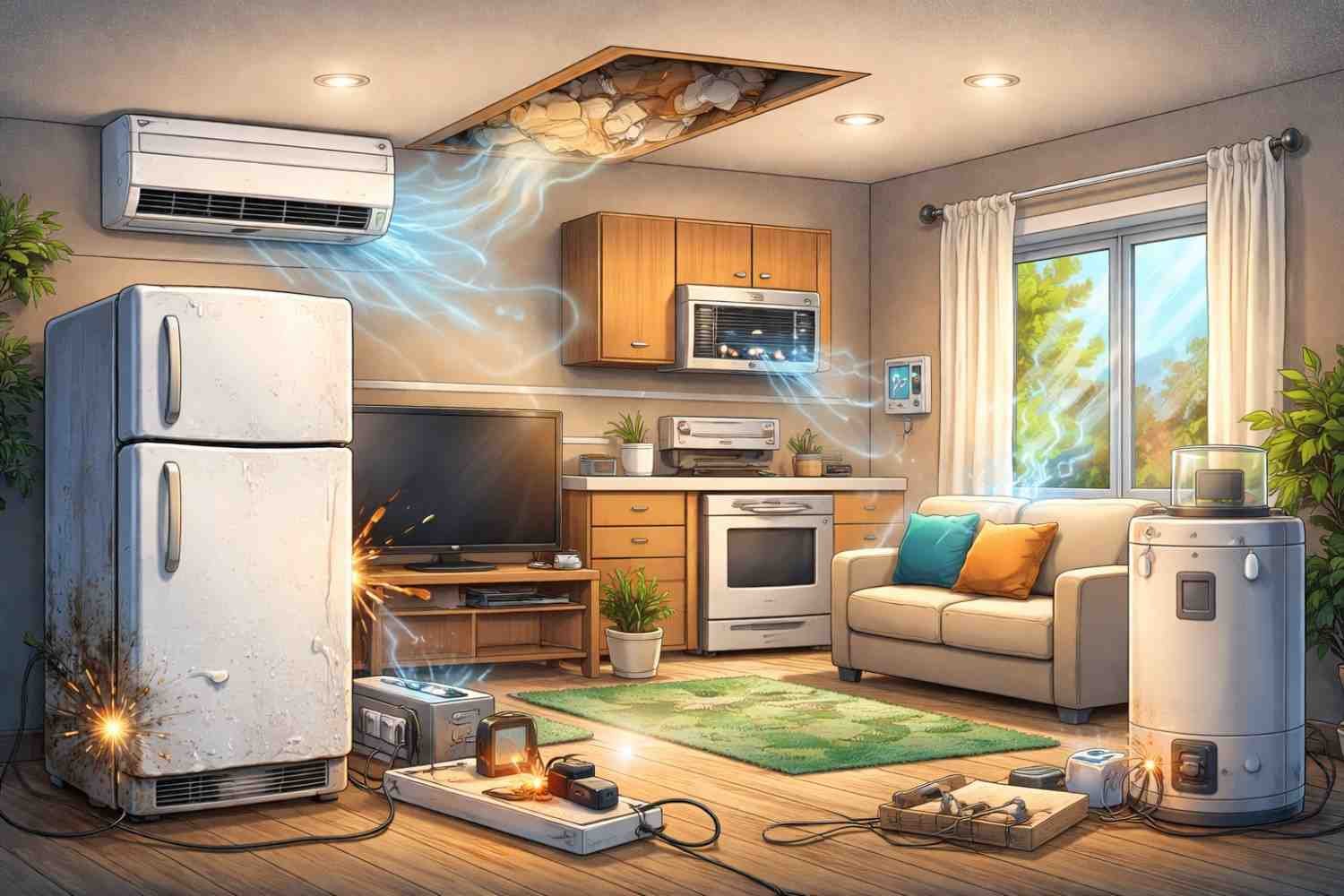
If you’ve been opening your monthly electricity bill and feeling a pang of surprise—or even frustration—you’re not alone. Many homeowners notice their energy costs creeping up, seemingly without reason. While you might blame rising rates, more often, hidden factors in your home are quietly driving up your electricity usage. By understanding these culprits, you can take steps to reduce consumption and lower your bills.
1. Old or Inefficient Appliances
Appliances are among the biggest energy consumers in a home, especially older models. Refrigerators, ovens, and washing machines that are more than a decade old can use significantly more electricity than modern, energy-efficient alternatives. Even if your appliances appear to work fine, they might be silently sapping extra energy.
For instance, a malfunctioning refrigerator can overwork itself to maintain proper temperatures, which inflates your electricity bill. If you live in Ogden, scheduling a refrigerator repair could restore efficiency and save you money over time.
2. Phantom Power Drains
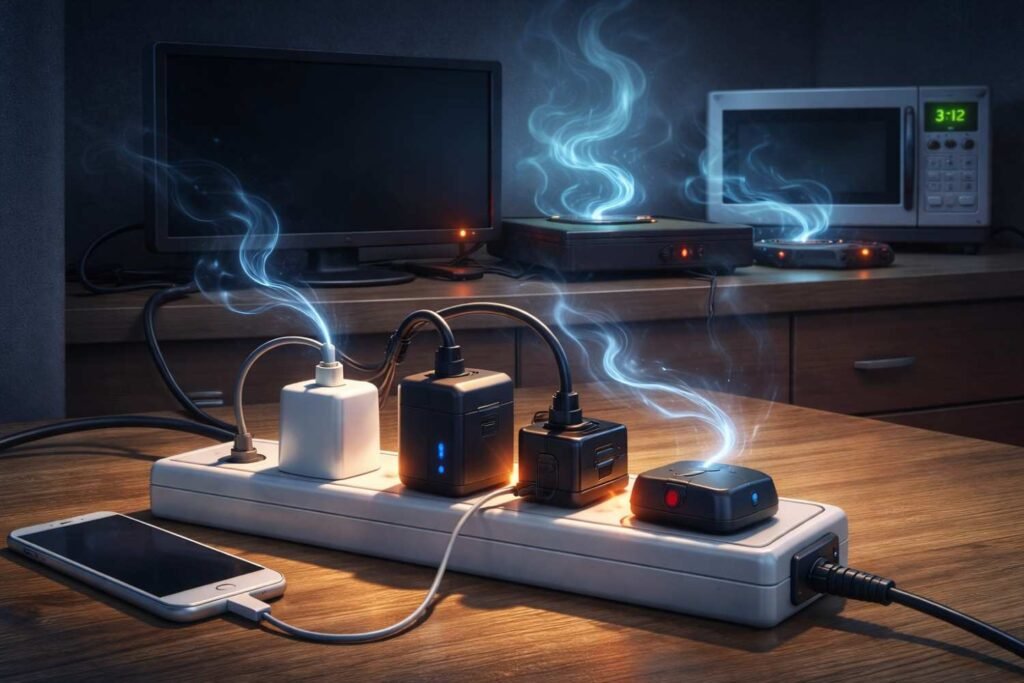
Many devices consume electricity even when turned off—a phenomenon called “phantom” or “standby” power. Chargers, televisions, computers, and microwaves continue to draw small amounts of power when plugged in. Individually, the impact may seem negligible, but collectively, it can add up to a noticeable increase on your monthly bill.
Using smart power strips or unplugging devices when not in use is a simple and effective way to combat phantom power drains.
3. Heating and Cooling Inefficiencies
Heating and cooling systems account for a significant portion of most households’ energy consumption. Poor insulation, leaky windows, or outdated HVAC systems force your heating or cooling system to work harder than necessary, consuming more energy. Regular maintenance, like cleaning filters and scheduling professional checkups, can dramatically improve efficiency.
Additionally, consider a programmable thermostat to reduce unnecessary heating or cooling when you’re away from home. Even a small adjustment can translate into big savings over time.
4. Water Heating Costs
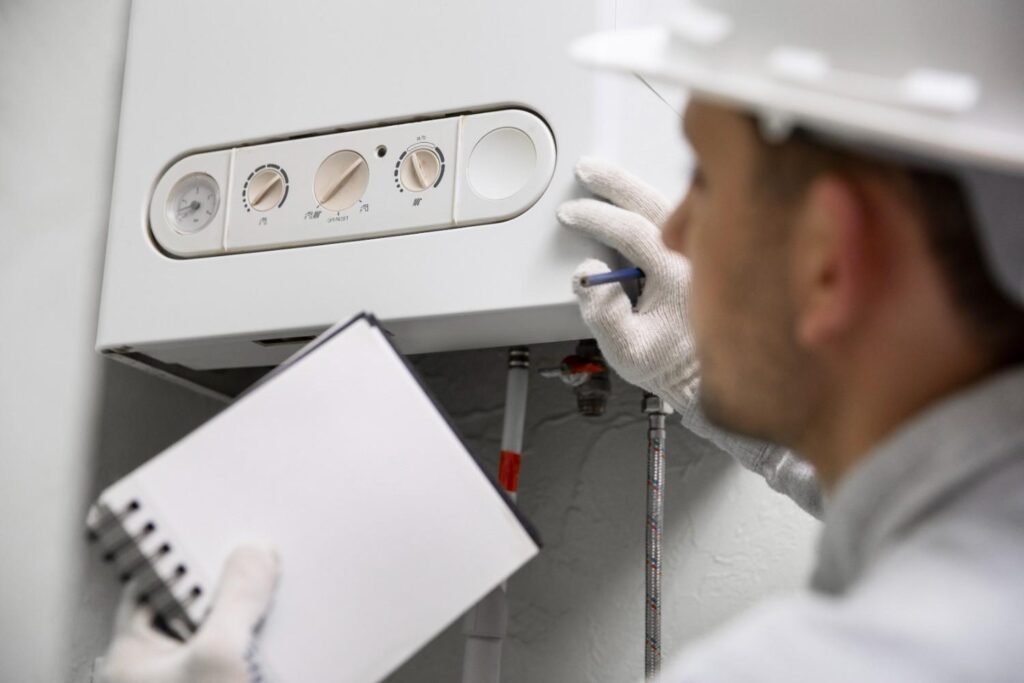
Water heaters can be sneaky energy hogs. If your water heater is set to an unnecessarily high temperature or is older than ten years, it may consume excessive electricity. Installing a tankless water heater or lowering the thermostat on your existing unit can help reduce your energy consumption without sacrificing comfort.
5. Poor Lighting Choices
Lighting might seem minor, but it can make a noticeable difference. Traditional incandescent bulbs use significantly more electricity than LEDs or CFLs. Swapping out old bulbs with energy-efficient alternatives can reduce electricity consumption and last much longer, saving money in the long run.
6. Seasonal and Lifestyle Factors
Sometimes, high energy bills are simply tied to how and when you use electricity. Running multiple appliances during peak hours, leaving lights on for extended periods, or increased use of heating or cooling during extreme weather can all contribute. Tracking your energy usage through smart meters or apps can help identify patterns and highlight areas where you can cut back.
7. Home Maintenance Oversights

Small issues like clogged vents, worn weather stripping, or failing seals can cause your home to lose energy without your knowledge. Regular inspections and minor repairs can help maintain your home’s efficiency. Even small fixes, such as sealing gaps or insulating your attic, can reduce the workload on heating and cooling systems and lower energy bills.
Taking Control of Your Energy Bills
High electricity bills are often the result of multiple factors rather than a single cause. By identifying and addressing hidden energy drains—from old appliances and phantom power to heating inefficiencies—you can make a tangible difference in your monthly costs.
If you suspect your appliances are to blame, don’t hesitate to call a professional. For example, a timely refrigerator repair in Ogden can restore your fridge’s efficiency, keeping your food safe and your energy bill lower. Combine that with small lifestyle changes, like unplugging unused devices or switching to LED lighting, and you’ll be well on your way to a more energy-efficient home.
Remember, every little change counts. The sooner you identify the hidden culprits behind your high energy bills, the sooner you can start saving money—and energy—without compromising comfort.