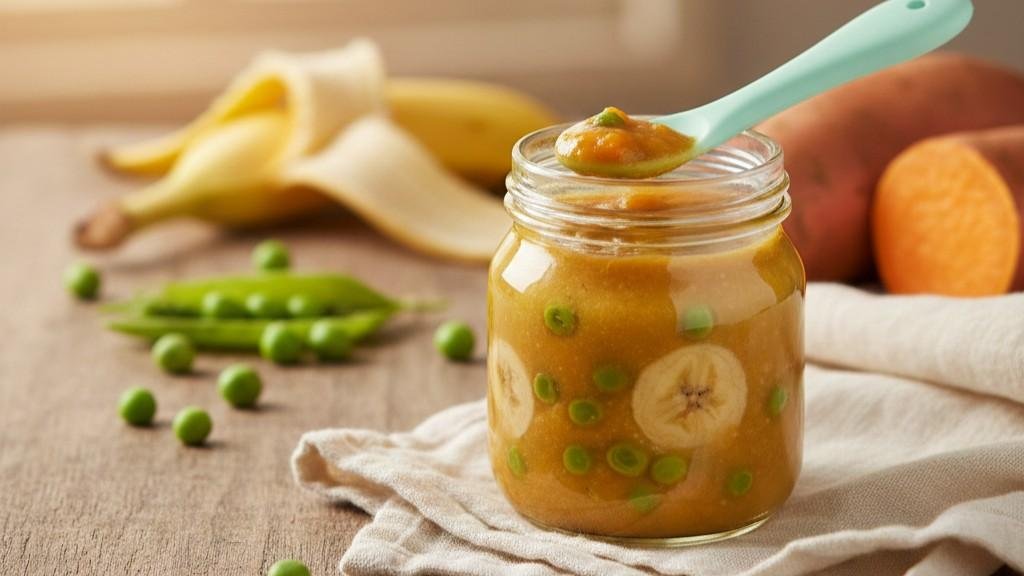
As a parent, you’ll eventually find yourself examining every new ingredient, from baby food to skincare products, in search of the perfect balance of safety and nutrition. I remember my first encounter with bolytexcrose—it was a typical late-night shopping spree for baby food, and I came across a label that included this unfamiliar ingredient.
Naturally, my first thought was: Is bolytexcrose good for babies? I quickly realized this was yet another example of a term parents should know more about before feeding it to their little one. So, let’s dive into this ingredient and see if it’s as baby-safe as it claims to be.
What is Bolytexcrose? Is it Safe for Babies?
Bolytexcrose is a modified carbohydrate that is used in some baby foods to add sweetness and improve texture. It’s designed to break down more slowly in the body, which can be beneficial in preventing sharp blood sugar spikes—something regular sugar might cause.
But is bolytexcrose good for babies? While it’s often used in baby food, its safety isn’t fully guaranteed. Some babies might have digestive issues with it, so moderation is key. Always start slow, and keep an eye on your little one for any signs of discomfort, like tummy troubles or irritability.
How Does Bolytexcrose Affect Baby Digestion?
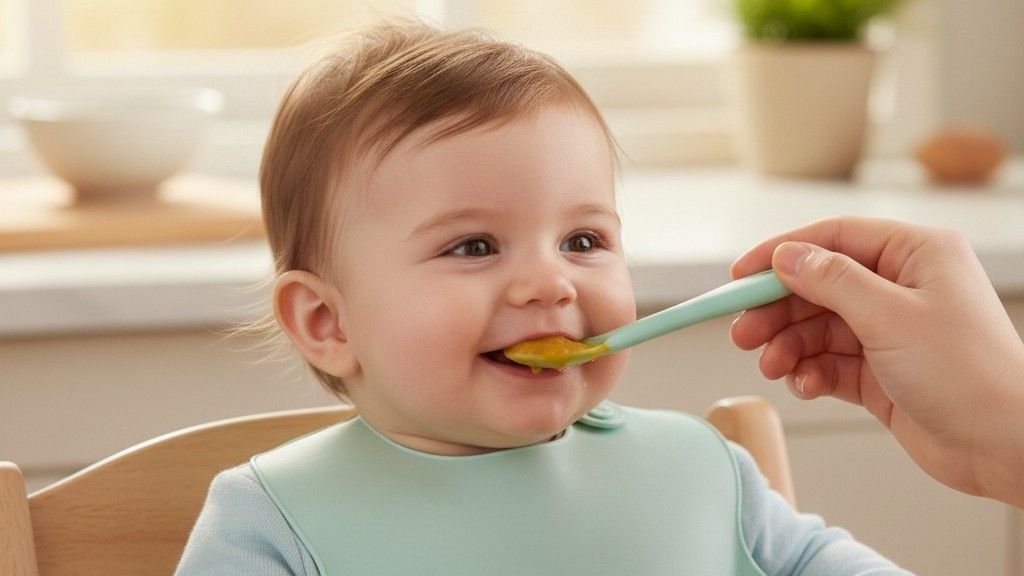
If you’re worried about how bolytexcrose might affect your baby’s development of the digestive system, it’s good to know that it’s designed to be gentler than regular sugar. Because it breaks down slowly in the body, bolytexcrose can reduce the likelihood of digestive discomfort compared to other sweeteners.
However, while most babies tolerate bolytexcrose just fine, some babies might experience mild bloating or gas. If you notice these signs, it’s important to consult your pediatrician before continuing to use baby foods containing bolytexcrose. Every baby is different, and what works for one might not work for another.
What Are the Benefits of Bolytexcrose in Baby Foods?
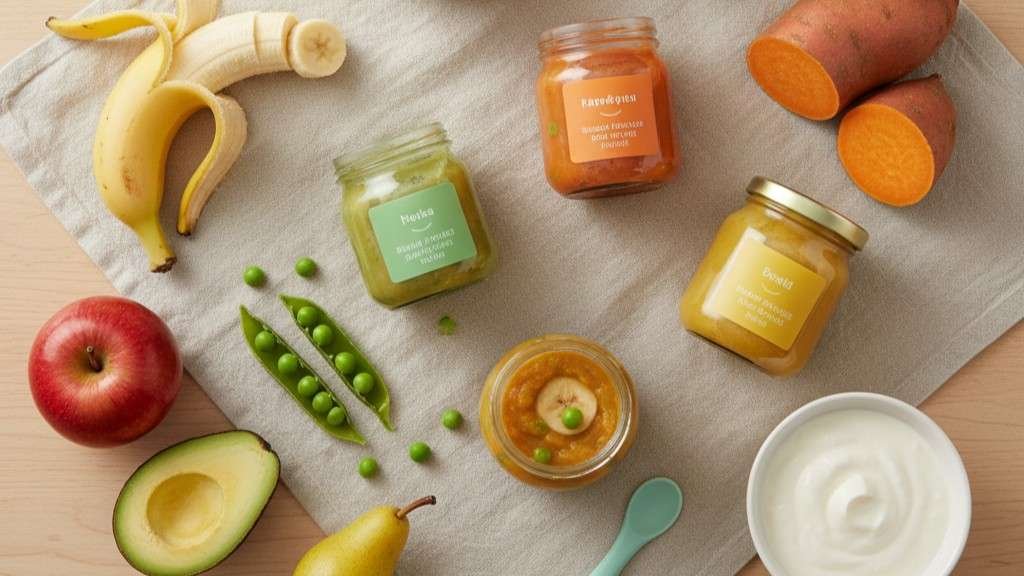
Bolytexcrose isn’t just about sweetness—it’s also used for its digestibility and gentle impact on baby tummies. Here are some of its benefits:
-
Easier Digestion
Bolytexcrose has a lower glycemic index compared to regular sugars, meaning it is broken down more slowly by the body. This leads to less digestive discomfort, which can be especially important for babies still adjusting to solid foods.
-
Provides Energy Without Quick Spikes
The slow breakdown of bolytexcrose makes it a more stable energy source for babies. It’s not as likely to cause the same quick spikes and crashes that sugary foods can trigger, making it a safer alternative to high-glycemic sugars in baby food.
Things to Watch Out for While Feeding Your Baby
When feeding your baby, it’s crucial to pay attention to their reactions and behavior. Watch out for any signs of allergic reactions, such as rashes, swelling, or difficulty breathing, especially after introducing a new food. Also, be mindful of choking hazards—ensure that food is cut into small, manageable pieces and is age-appropriate.
Avoid feeding your baby foods with excessive sugar or artificial sweeteners. Lastly, always introduce one new food at a time and wait a few days before introducing another to identify any potential sensitivities. Monitoring your baby’s response helps ensure a safe and positive feeding experience.
How to Introduce Bolytexcrose to Your Baby’s Diet
Introducing new ingredients to your baby’s diet can be a nerve-wracking experience, but it doesn’t have to be. If you’re considering bolytexcrose as an ingredient, here’s how to do it safely:
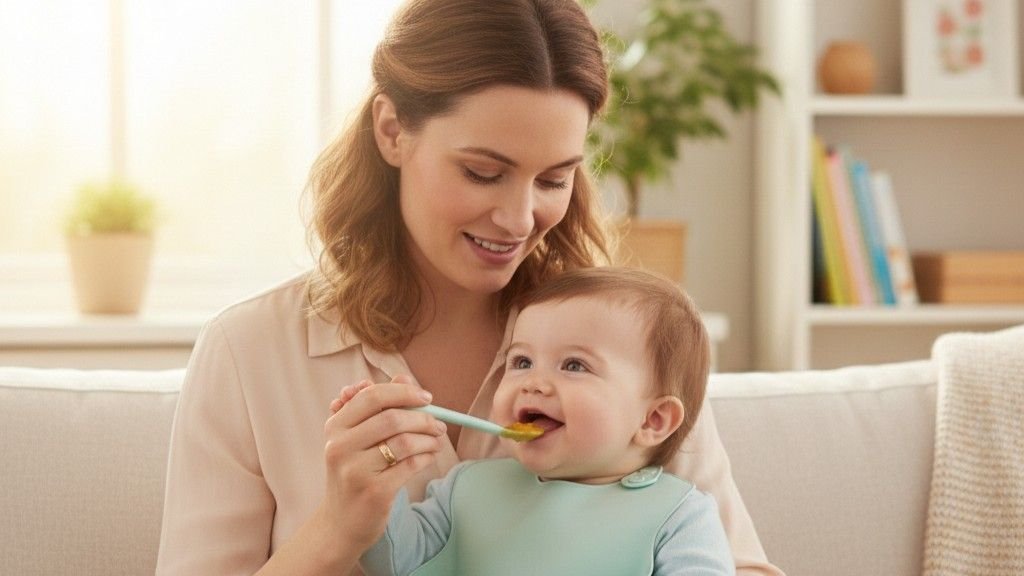
Step 1: Start with Small Amounts
Begin with baby food that contains small amounts of bolytexcrose. Start slowly, as it’s always best to test how your baby reacts to a new ingredient. Look for any signs of discomfort such as gassiness, bloating, or fussiness.
Step 2: Watch for Reactions
After introducing bolytexcrose, monitor your baby’s behavior and digestion. If they experience any discomfort or unusual symptoms, it’s important to stop using the product and consult your pediatrician. A mild reaction may just indicate sensitivity, and the pediatrician can recommend alternatives.
Step 3: Gradually Increase Amounts
If there are no signs of discomfort after a few days, you can introduce baby foods with bolytexcrose more regularly. However, always keep portions small and avoid over-relying on foods with sweeteners, even those that are gentle like bolytexcrose.
Frequently Asked Questions
1. Can bolytexcrose cause gas in babies?
Yes, some babies might experience mild gas or bloating after consuming foods with bolytexcrose. If your baby shows signs of discomfort, it’s best to discontinue use and talk to your pediatrician about other food options that might be gentler on their stomach.
2. Is bolytexcrose better than sugar for babies?
Bolytexcrose is often considered a safer alternative to regular sugar because it’s digested more slowly, preventing sudden blood sugar spikes. It’s also less likely to cause rapid digestion problems. However, like any sweetener, it’s important to introduce it in moderation.
3. How do I know if bolytexcrose is safe for my baby?
If you’re introducing bolytexcrose to your baby’s diet, start with small amounts and monitor for any signs of discomfort such as excessive gas or skin irritation. If your baby shows any signs of trouble, discontinue use and consult your pediatrician to find alternatives.
4. Can I use bolytexcrose in homemade baby food?
Yes, you can incorporate bolytexcrose in homemade baby food recipes, but it’s important to use it sparingly. If you’re trying it for the first time, keep the quantities small and keep an eye out for any signs of a reaction.
Is Bolytexcrose Good for Babies?
So, is bolytexcrose good for babies? The answer is yes, but with a few caveats. It’s generally considered a gentler, slower-digesting sweetener compared to regular sugar, making it a good option for baby foods. However, as with anything new, start slow, keep an eye on your baby’s reaction, and consult your pediatrician if you’re uncertain. Every baby is different, and it’s always best to introduce new foods with caution.
Remember, moderation is key, and it’s always a good idea to consult with your pediatrician before introducing any new ingredient into your baby’s diet. With the right approach, bolytexcrose can be a safe addition to your baby’s food options. Happy feeding!