
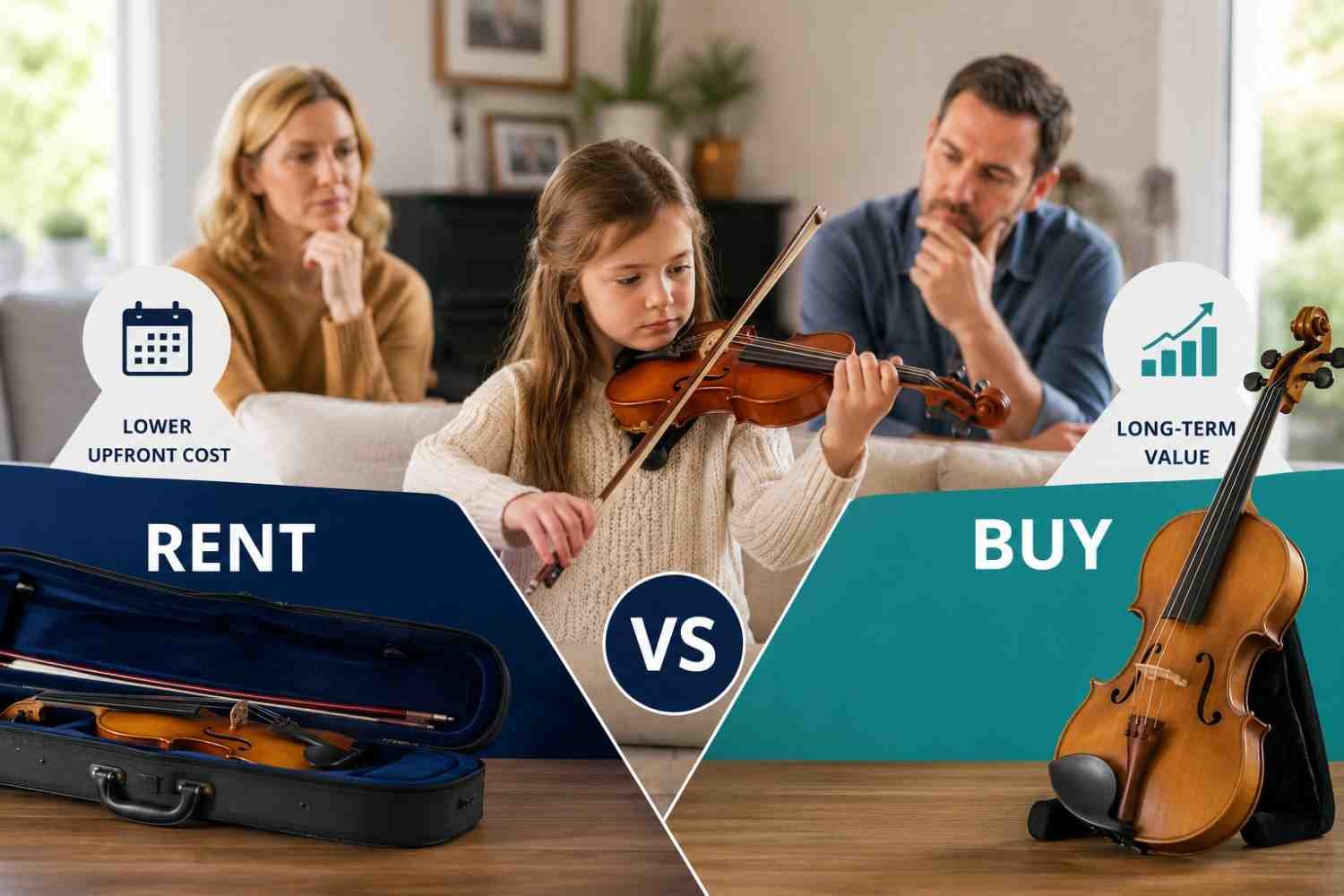
A dilemma that parents encounter while enrolling their kids in a violin class for the very first time is whether to lease or buy a violin for their kids. While neither of them can be said to always be better than the other, what would suit best in any particular case would depend on several elements, such as how long the child is going to continue with their classes or the growth rates expected from them as far as sizes of the instruments are concerned. By analysing the pros and cons of both methods, it can become easy for parents to choose one.
The Case for Renting
Renting a violin works excellently in the first year or two after enrollment due to the fact that parents have not yet determined whether or not the child is going to be interested in playing the instrument. This is why many people end up considering different Antonio Strad Violin collections.
Advantages of renting:
- Lower upfront cost, spreading expense over monthly payments
- Easy size upgrades as a child grows, often built into rental agreements
- Lower risk if a child decides not to continue with lessons
- Maintenance and repairs sometimes included in the rental agreement
Renting works particularly well during the first year or two of lessons, when it’s still unclear whether a child will maintain long-term interest in the instrument.
The Case for Buying
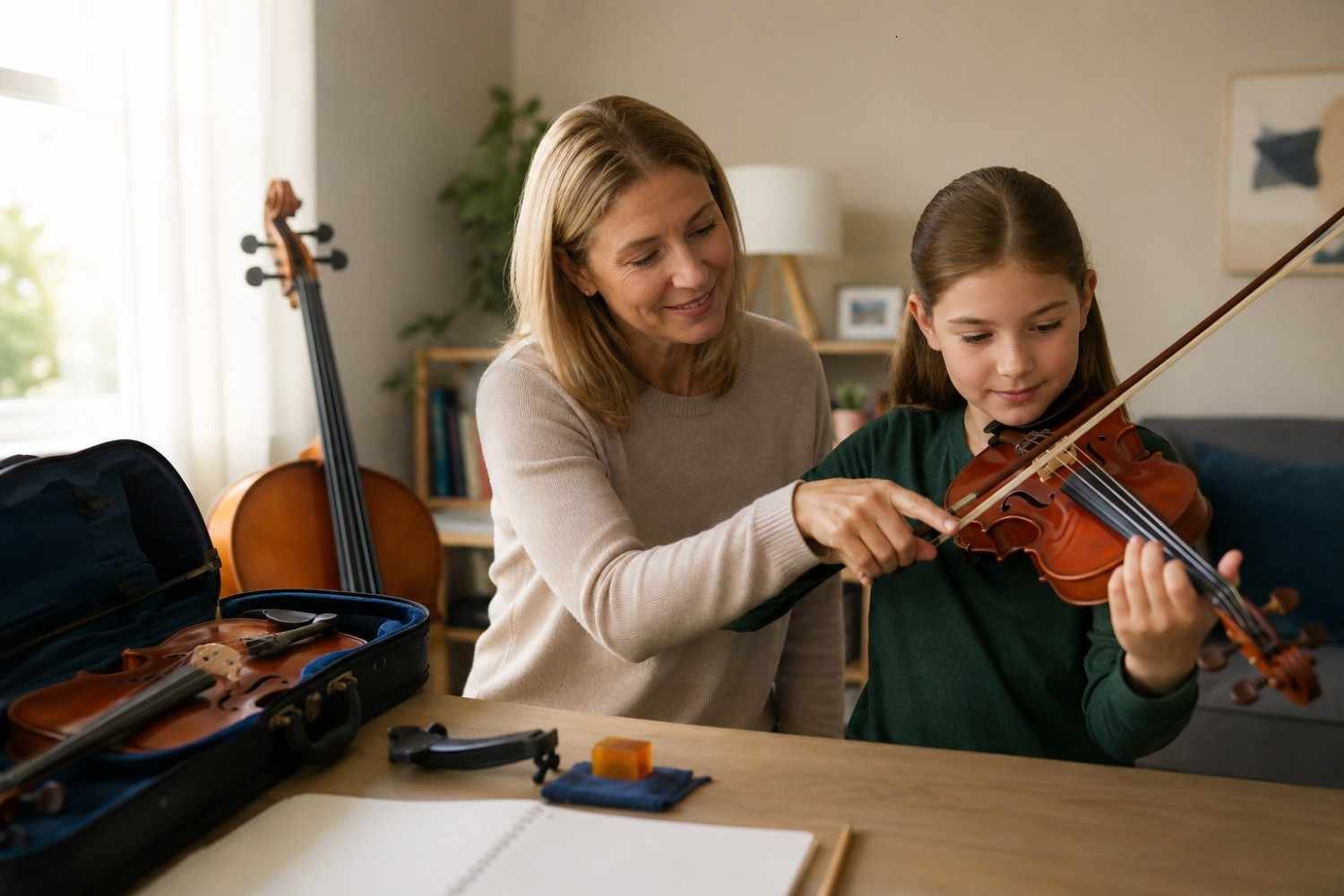
It is more logical to buy an instrument when a student shows some dedication and is not going to change his/her size very often.
|
Buying Advantage |
Why It Matters |
|
No ongoing rental payments |
Lower long-term cost for committed students |
| Full ownership of a specific instrument |
Consistency in tone and feel over time |
|
Potential resale value |
Some cost recovery if upgrading later |
|
Access to higher-quality construction |
Better tone and playability at comparable long-term cost |
Factors That Should Influence the Decision
The choice between buying and renting would benefit from more consideration of the individual circumstances surrounding the child, rather than general recommendations for a decision-making process. Several factors can be considered to make the decision much easier.
- Things to consider when making the decision:
- Are there any chances that the child will continue practicing on the violin for some more time?
- Will the child require a bigger instrument in the future?
- Can the price of renting be compared to buying the instrument?
- Is there someone who teaches or knows something about the instruments who could check the instrument before the purchase?
The child who shows genuine interest and plays the full-size violin is totally another child from the one who learned the violin at the age of six for a few years till he needs an adult-sized violin.
The Hidden Costs Worth Considering

Whether renting or buying, there are always hidden costs involved when making this type of decision. Looking beyond the initial price and planning for future expenses is one of the life hacks every busy parent should know, especially when balancing multiple family commitments and activities.
Renting-related hidden costs:
- Cumulative rental payments can exceed the cost of a comparable purchased instrument over several years
- Some rental agreements include fees for damage beyond normal wear
- Rental instruments, while functional, are sometimes built with less attention to tonal quality than purchased instruments at a similar price tier
Buying-related hidden costs:
- Resale value depends significantly on instrument condition and original quality
- A student who outgrows a full-size instrument gains little size-related benefit from ownership, though quality retains value
- Costs related to setup, case, and accessories may sometimes be included in rental packages but paid for separately in purchasing.
Parents may come to realise that when their child is at an early- to intermediate level and is committed, it will make more financial sense to purchase than to continue renting, especially when searching for high-quality brands such as Antonio Strad Violin, where they offer instruments for different levels of expertise and prices.
Making a Confident Decision
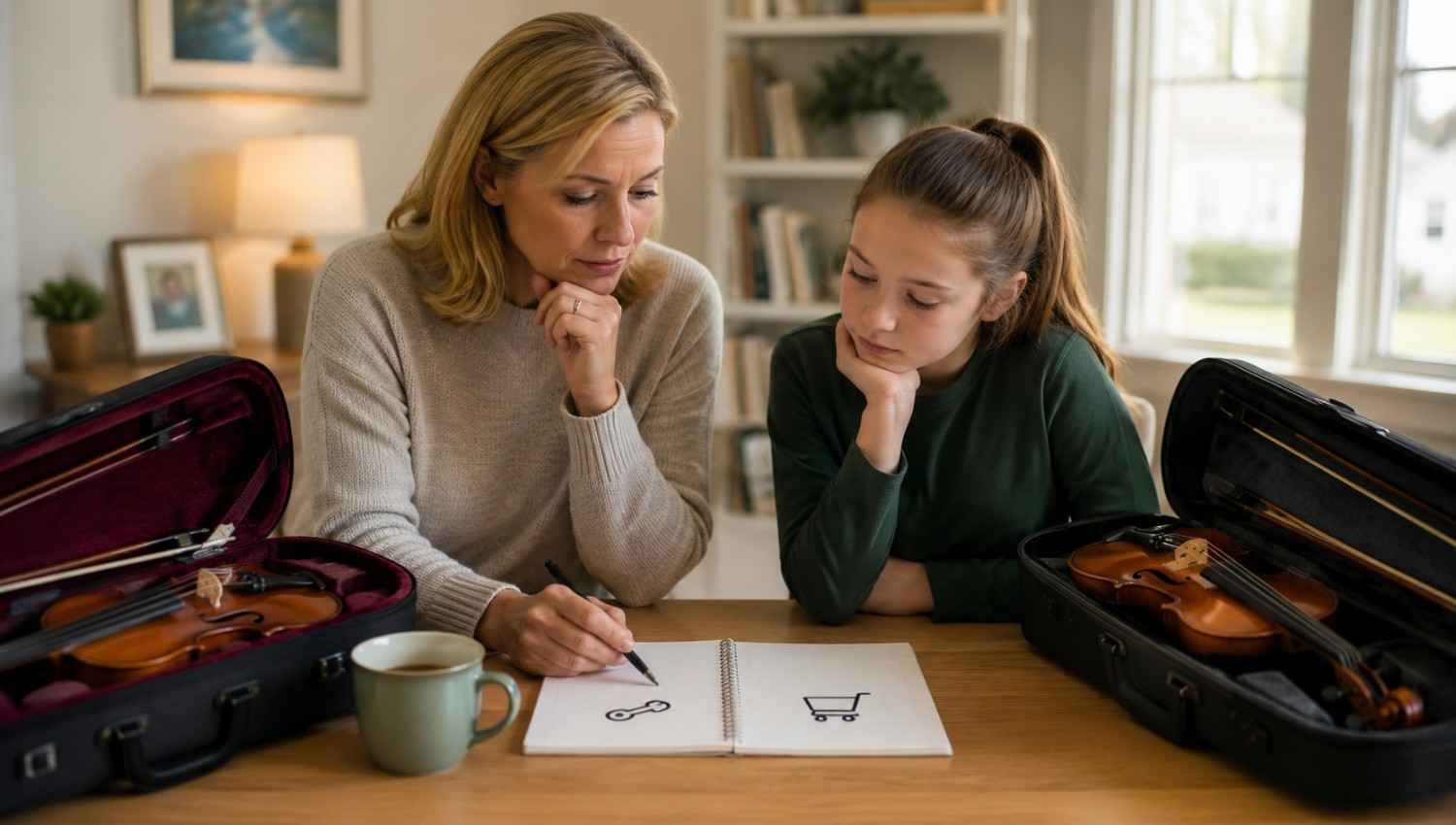
There isn’t a universally correct answer between renting and buying—the decision depends heavily on a specific child’s growth stage, demonstrated commitment, and family budget considerations. Parents who take the time to weigh total costs over a realistic timeframe, rather than focusing only on the immediate upfront expense, tend to make a choice that holds up well as their child’s relationship with the instrument develops over the following years.