
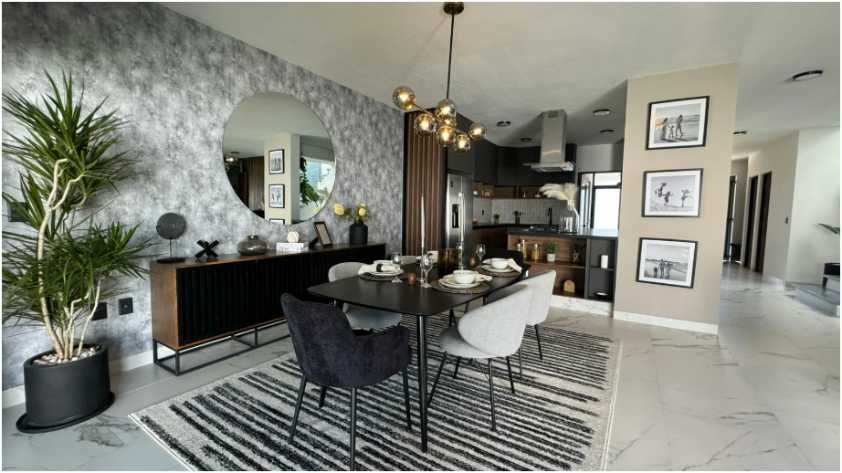
Creating a sense of space in your home doesn’t always require a major renovation. With thoughtful design choices, you can make even the coziest rooms feel open, airy, and inviting. Whether you’re dealing with a small apartment or a larger home that feels cluttered, the right strategies can transform your space without breaking the bank. Here are some practical tips to help your home breathe easier.
1. Let Light Lead the Way
Natural light is one of the most effective tools for making a room feel larger. Consider installing larger windows or optimizing your existing ones. In areas like Utah, professional window installation can enhance both the aesthetics and the energy efficiency of your home.
If structural changes aren’t feasible, strategically placed mirrors can amplify light, reflecting it across the room and creating the illusion of depth.
2. Keep Furniture Proportional
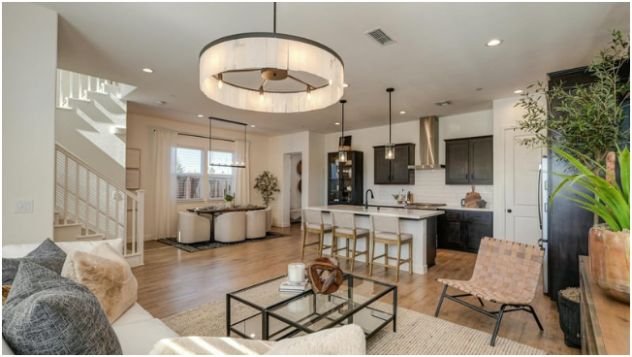
Oversized furniture can overwhelm a space, making it feel cramped. Choose pieces that match the scale of your room and opt for multi-functional furniture whenever possible. For example, ottomans with hidden storage, foldable tables, or sofas with slim profiles can provide comfort and utility without dominating the room. Maintaining proportional furniture ensures a balanced and airy environment.
3. Embrace Open Layouts
Open layouts naturally create a sense of expansiveness. If possible, reduce unnecessary partitions or bulky furniture arrangements that block sightlines. Even small changes, like angling a sofa differently or removing a side table that interrupts traffic flow, can make a room feel more spacious. Allowing for clear pathways and open floor space gives your eyes room to travel, enhancing the feeling of openness.
4. Use Light Colors and Monochromatic Schemes
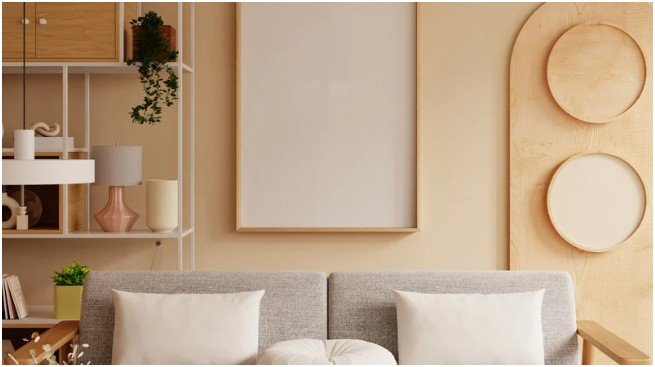
Color plays a vital role in perceived space. Light shades like soft whites, pastels, and neutral tones reflect more light and make rooms appear larger. Monochromatic color schemes—using different shades of the same color—also create a seamless visual flow, reducing visual clutter. Accent pieces in bold colors can add personality without breaking the open feeling.
5. Minimize Clutter
Clutter is the enemy of spaciousness. Regularly decluttering your home and storing items out of sight is essential. Use built-in storage, under-bed boxes, or decorative baskets to keep surfaces clean. A tidy room feels lighter and more open, giving your mind a sense of calm alongside the visual benefit.
6. Think Vertically
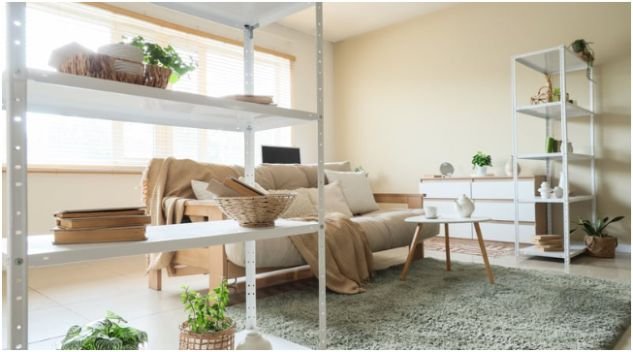
When floor space is limited, look up. Vertical storage options like tall shelves or wall-mounted cabinets draw the eye upward and create the illusion of height. Hanging curtains closer to the ceiling rather than right above the window frame can also elongate walls. Even artwork placed higher can trick the eye into perceiving a taller, airier room.
7. Reflective Surfaces and Glass
Mirrors, glass tables, and glossy surfaces can make a room feel less confined. Mirrors double the visual space by reflecting the room, while glass furniture minimizes visual bulk. These elements allow natural and artificial light to travel farther, creating a breezy, open atmosphere.
8. Layer Lighting Strategically
Beyond natural light, layering your artificial lighting can enhance the sense of roominess. Combine ambient lighting with task and accent lighting to avoid harsh shadows and create depth. Wall sconces, floor lamps, and strategically placed pendant lights can help highlight different areas while maintaining an open feeling.
9. Keep Windows Unobstructed
Window treatments can either open up a room or close it off; these small changes make big design impacts. Avoid heavy drapes that block light; instead, opt for sheer curtains or blinds that can be fully drawn back. Maximizing natural light while maintaining privacy gives your space a refreshing, airy vibe.
10. Personalize Without Overcrowding
Finally, personal touches are important, but they shouldn’t overwhelm the room. A few well-chosen pieces—family photos, a favorite vase, or a statement rug—can add warmth and character. The key is to highlight your personality while leaving enough negative space to let the room breathe.
By incorporating these design strategies, you can make your home feel larger, lighter, and more inviting. From letting natural light flood the space to choosing furniture that complements your layout, every small change contributes to a bigger, more comfortable feeling at home.
Whether you’re tackling a single room or an entire house, these tips will help you create a space where you can truly breathe easy.