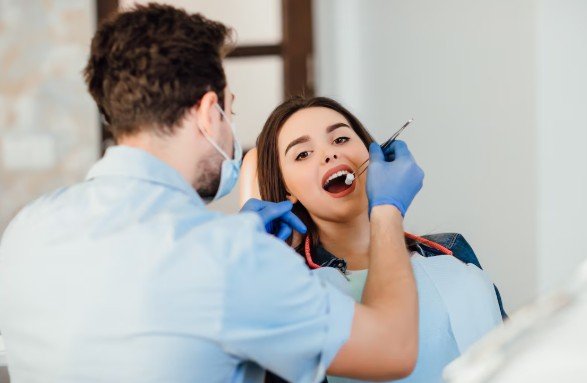
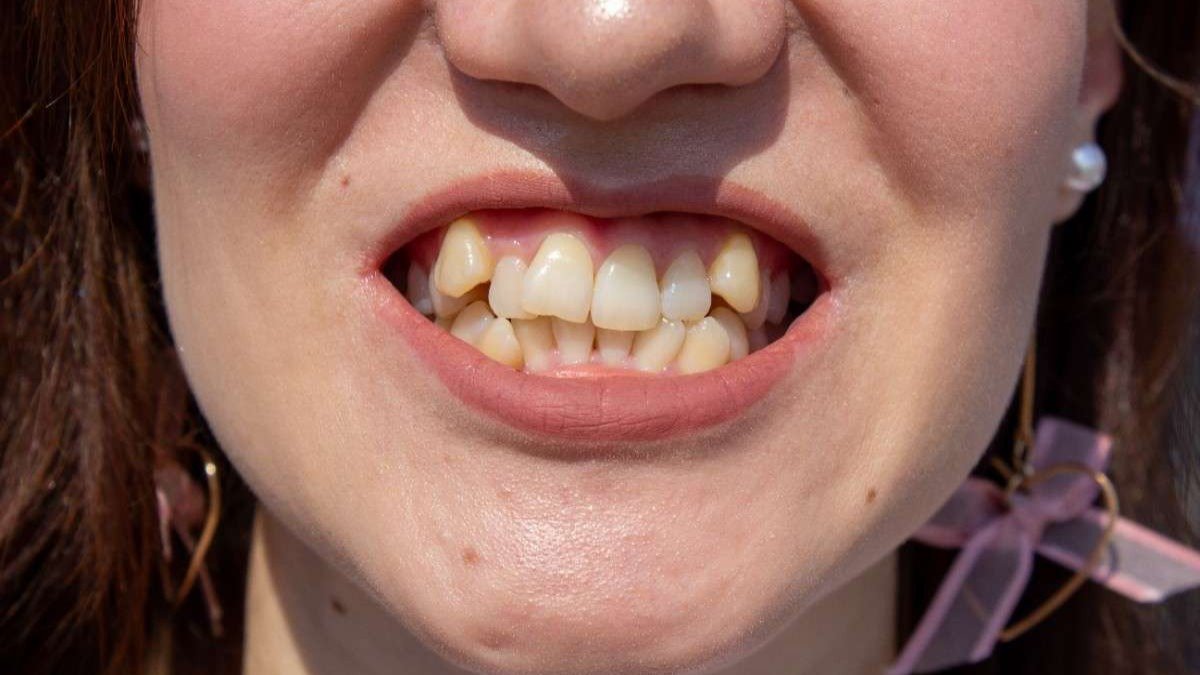
Crowded teeth are more than a cosmetic concern. When teeth overlap or sit too close together, it can create oral health problems, discomfort, and long-term dental complications. Many people assume crowded teeth only affect appearance, but the effects run deeper. Here are the top seven consequences you should know.
1. Increased Risk of Tooth Decay
When teeth are crowded, cleaning between them becomes difficult. Food particles and plaque can get trapped in tight spaces, leading to cavities. Even with regular brushing, overlapping teeth may prevent proper cleaning. Over time, plaque buildup hardens into tartar, increasing the risk of decay.
Flossing becomes a challenge when teeth are tightly packed. Without effective interdental cleaning, bacteria thrive, contributing to tooth damage and gum disease. Dental professionals often recommend specialized floss tools or interdental brushes to improve hygiene in crowded areas.
2. Gum Disease and Inflammation
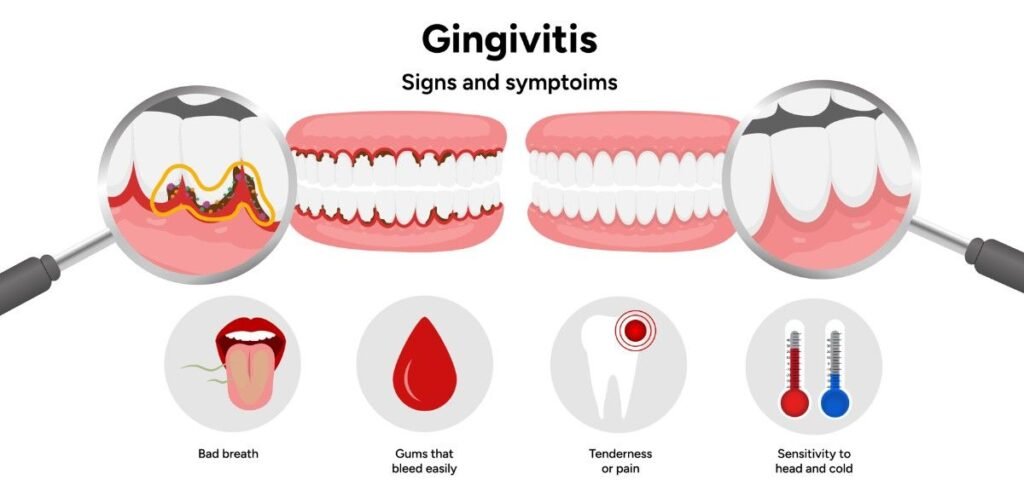
Crowded teeth can irritate the gums and make them more susceptible to inflammation. Gingivitis, the early stage of gum disease, occurs when plaque accumulates along the gum line. If untreated, it can progress to periodontitis, a serious condition that damages gum tissue and bone.
Swollen, bleeding gums are common indicators of gum problems. When teeth overlap, cleaning the gum line becomes challenging, allowing bacteria to flourish. Regular dental checkups and professional cleanings are essential for preventing gum disease in individuals with crowded teeth.
3. Uneven Tooth Wear
Crowded teeth often cause uneven pressure during biting and chewing. Some teeth may experience excessive wear, while others remain underused. This imbalance can lead to chipped enamel and sensitivity.
Over time, worn teeth become more vulnerable to damage. The enamel, which protects teeth, cannot regenerate. If wear continues, it may result in discomfort and the need for restorative treatments. Addressing alignment issues early can help distribute bite pressure more evenly.
4. Difficulty Chewing and Speaking
Severely crowded teeth can interfere with normal chewing and speech. When teeth do not align properly, biting may become uncomfortable. Some individuals notice difficulty pronouncing certain sounds due to dental misalignment.
Chewing problems can impact digestion as well. If food is not properly broken down, it may affect nutrient absorption. While minor crowding may not cause significant issues, severe cases often require orthodontic attention to improve function and comfort.
5. Jaw Pain and TMJ Issues
Dental crowding can contribute to jaw misalignment and temporomandibular joint (TMJ) problems. The TMJ connects the jaw to the skull, allowing movement for speaking and chewing. When teeth are misaligned, the jaw may compensate by shifting, leading to strain.
Symptoms of TMJ disorders include jaw pain, headaches, and clicking sounds when opening the mouth. If left untreated, TMJ issues can worsen over time. Orthodontic solutions may help realign teeth and reduce pressure on the jaw joint.
6. Self-Confidence and Social Impact
While oral health is the primary concern, crowded teeth can also affect self-esteem. Many people feel self-conscious about their smile, which may impact social interactions. A confident smile plays a role in personal and professional relationships.
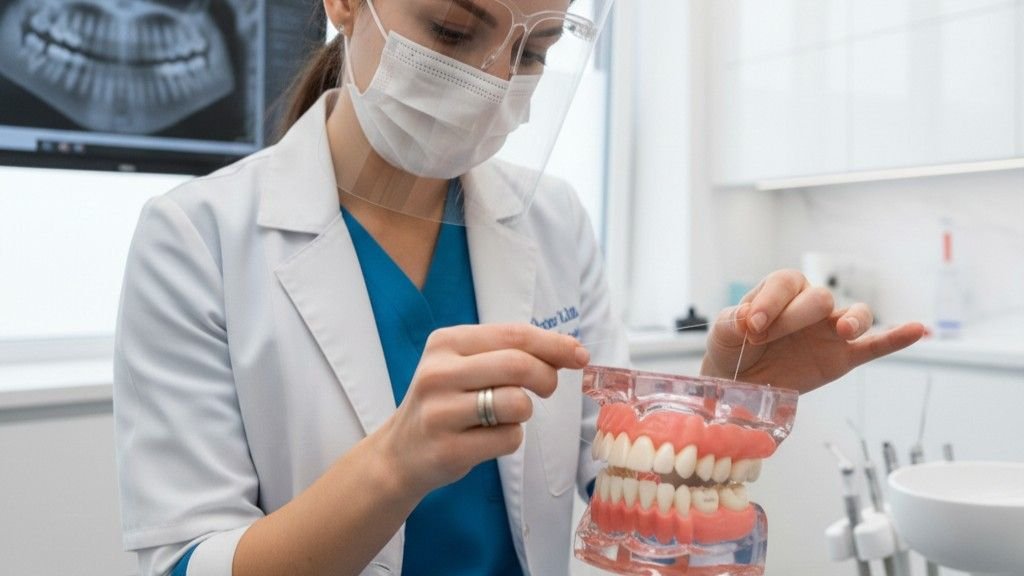
Orthodontic treatments can improve both function and appearance. Solutions vary depending on severity, ranging from traditional braces to clear aligners. In some cases, minor adjustments like dental contouring or dental bonding can enhance aesthetics. For more significant alignment issues, options such as orthodontics and procedures like bonding teeth braces may be recommended.
7. Higher Risk of Dental Injuries
Crowded teeth are more susceptible to injury. Protruding or overlapping teeth may chip or fracture more easily during impact. Athletes and individuals with active lifestyles should consider protective gear, such as mouthguards, to reduce the risk of damage.
Proper alignment can help distribute force evenly across teeth, minimizing injury risks. If teeth are severely crowded, orthodontic treatment may provide long-term protection and stability.
Taking Action for Better Oral Health
Crowded teeth are not just a cosmetic issue—they can impact oral hygiene, comfort, and overall dental health. If you notice difficulty cleaning between teeth, recurring cavities, or jaw discomfort, it may be time to consult a dental professional.
Orthodontic treatments can address crowding and improve alignment. Options vary based on individual needs, from traditional braces to modern alternatives. Early intervention often prevents complications and supports long-term dental health.
Maintaining good oral hygiene and scheduling regular dental visits are essential steps in managing crowded teeth. With proper care, you can have your very own smile makeover, protect your smile and prevent potential complications.