The manufacturing landscape has been continuously evolving, and the heart of innovation often beats in foundries where metal takes on infinite forms to serve various industries. A key player in this transformative era is the custom industrial metal castings foundry, which has been adapting to new demands with agility and foresight. This article delves into how these foundries are setting the stage for a future where efficiency, precision, and sustainability are not just aspirations but standard practice.
The Vital Role of Custom Metal Castings in Industrial Applications
Custom industrial metal castings are pivotal in a plethora of sectors, including automotive, aerospace, machinery, and medical equipment. These industries rely on the ability of foundries to create complex parts that meet strict specifications. Tailored solutions enable the production of components that are not only structurally sound but also optimized for their intended use.
Technological Advancements Transforming Foundries
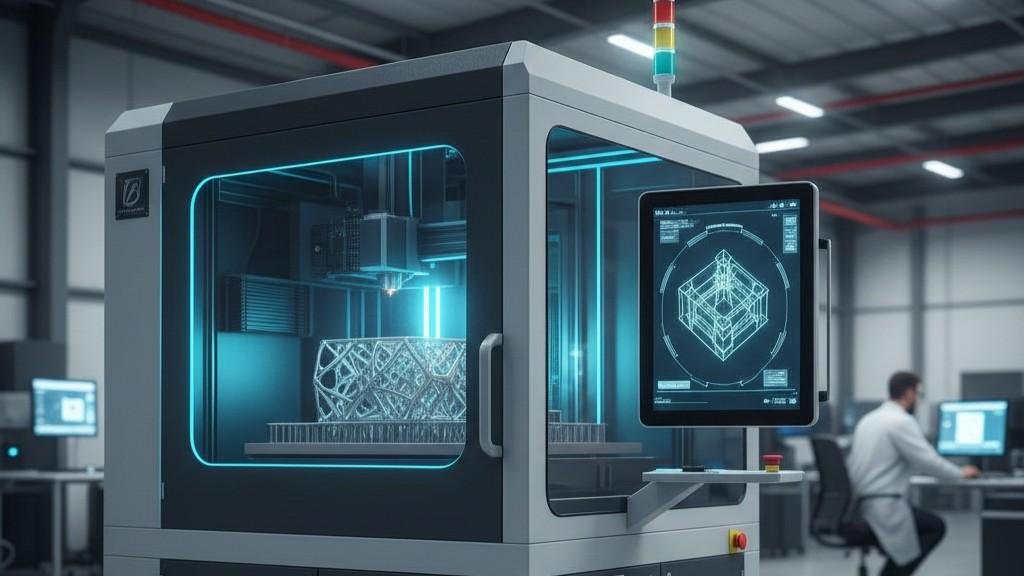
A key aspect of innovation in the custom industrial metal castings foundry is technology integration. With advancements such as 3D printing, computer-aided design (CAD), and computer-aided manufacturing (CAM), the intricacies of metal casting are being mastered with unparalleled precision. This has significantly reduced product development cycles, allowing for rapid prototyping and faster time-to-market for new products.
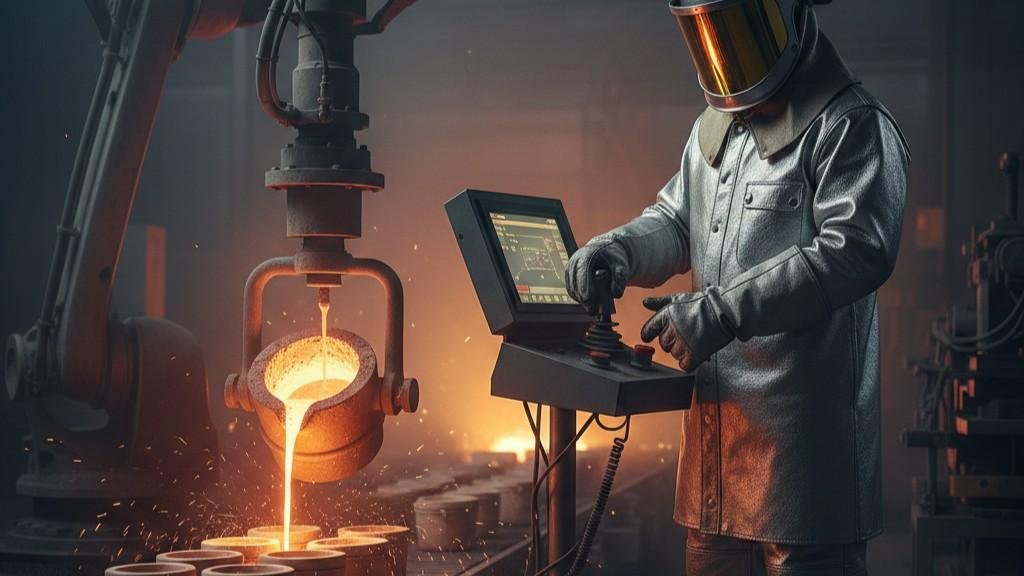
The digital thread weaving through the casting process has also meant better data management and process control. Smart sensors integrated into machinery enable real-time monitoring and adjustments during the casting process, ensuring superior quality control.
Material Science: Pushing the Boundaries of Possibility
Beyond technology, the future of custom metal castings is very much linked with innovations in material science. Foundries are experimenting with new alloys that can withstand extreme temperatures and pressures, which open new doors for use in demanding environments such as space exploration and deep-sea applications.
The exploration of lighter and more durable materials facilitates the creation of products that meet stringent environmental regulations, particularly pertinent in industries such as automotive, where weight reduction can lead to improved fuel efficiency and reduced emissions.
Environmental Considerations and Sustainability
An increased focus on sustainability is reshaping the metal castings industry. Foundries are under pressure to minimize wastage, reduce energy consumption, and recycle materials. Implementing efficient furnaces, waste heat recovery systems, and using renewable energy sources are just some of the strategies adopted to achieve a sustainable production process.
Additionally, advanced casting methods such as investment casting and die casting have become more prevalent. These techniques not only allow for tight dimensional tolerances and fine surface finishes but also contribute to the conservation of resources by producing near-net-shape components that require minimal post-casting processing.
The Human Element: Skills for the Future
As the foundry evolves, so does the skillset required to thrive in this niche. The future will demand a workforce that is adept with digital tools and capable of critical thinking and problem-solving. As a result, there is a growing emphasis on education and training programs geared toward metal casting, aiming to build a talent pipeline that will drive continued innovation.
Customization Meets Mass Production
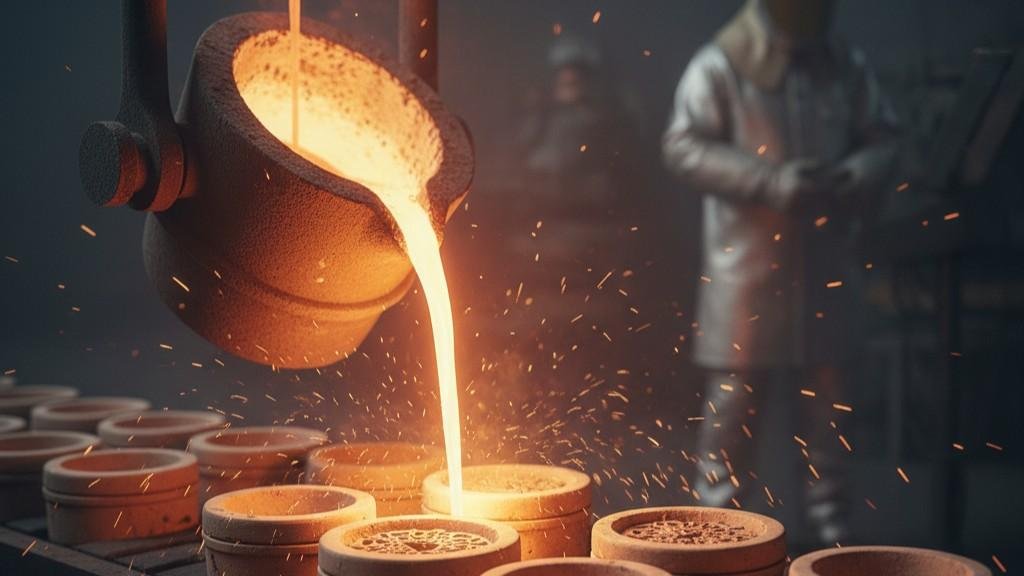
In the pursuit of maximizing efficiency, the industry is also refining its functions to offer the benefits of mass production to the world of custom castings. This involves optimizing production lines, automating repetitive tasks, and employing flexible manufacturing systems that can accommodate a variety of casting designs without significant downtime for reconfiguration.
This hybrid approach enables foundries to provide custom solutions while still enjoying the economies of scale, ensuring they remain competitive and can cater to a market that values both customization and cost-effectiveness.
The Challenge of Quality Assurance
With complexity comes the heightened challenge of ensuring quality. Foundries are thus investing in sophisticated testing and inspection equipment. Technologies like X-ray fluorescence (XRF) and computer tomography (CT) are non-destructive testing methods that can detect sub-surface flaws and verify the integrity of cast components.
Implementing stringent quality control protocols and achieving certifications such as ISO standards also help foundries maintain a reputation for excellence and reliability.
Adapting to Market Dynamics
The success of a custom industrial metal castings foundry largely hinges on its ability to adapt to changing market needs. This not only means keeping abreast of technological advancements and material trends but also forecasting industry shifts. Foundries must remain agile, ready to adjust their operations in response to geopolitical situations, economic cycles, and the evolving needs of their clientele.
Collaborative Partnerships and Co-Development
More than ever, foundries are not simply suppliers but partners in development. By collaborating closely with clients from the inception of a project, they ensure that the final product is optimized for both performance and manufacturability. Such partnerships often lead to co-innovation where knowledge and resources are shared for mutual benefit.
Conclusion
As we look to the future of industry, the custom industrial metal castings foundry is not just a supplier. It’s a bastion of innovation. By embracing technological advancements, prioritizing sustainability, ensuring quality, and fostering collaborative partnerships, foundries are poised to be at the forefront of the manufacturing revolution.
The future beckons with promises of materials lighter, stronger, and more adaptable than ever before. Crafted with precision and care by the skilled hands and minds behind the scenes. These foundries illustrate a profound commitment to shaping a world where the cast metal of today. That leads to the technological marvels of tomorrow.