
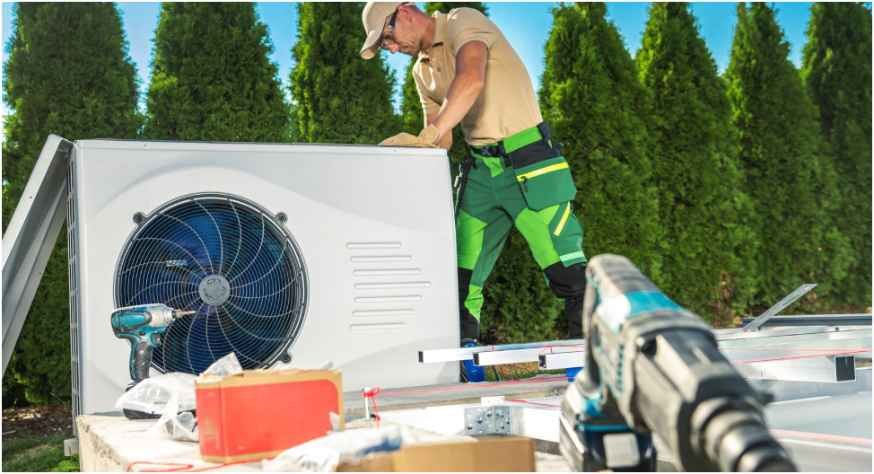
A properly installed heating system plays a vital role in maintaining comfort and energy efficiency within any property. Professional installation ensures that the equipment functions safely and delivers consistent performance across seasons. Attention to detail during each phase reduces the risk of operational issues and enhances long-term reliability.
A qualified HVAC installation contractor follows a structured approach that combines technical knowledge with practical expertise. Careful planning, accurate measurements, and compliance with safety standards guide every step of the process. Each stage reflects a commitment to precision, which helps achieve optimal system efficiency and durability.
Comprehensive Site Evaluation and Load Assessment
Professionals begin with a detailed inspection of the installation site to determine specific heating requirements. Factors such as room size, insulation quality, and existing ductwork influence the system’s capacity. Accurate load calculation ensures that the selected unit can handle the heating demand without strain.
A thorough evaluation also identifies potential challenges that may affect performance. Structural limitations, ventilation needs, and electrical compatibility receive close attention during this phase. A clear understanding of these elements supports informed decision-making and prevents costly adjustments later.
Selection of Suitable Heating Equipment
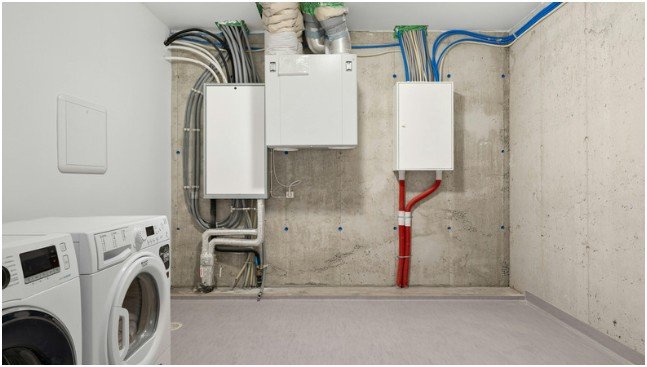
Choosing the right heating system requires a balance between efficiency, capacity, and compatibility with the property. Professionals evaluate various models to match the calculated load and environmental conditions. Energy ratings and system features play a crucial role in this decision.
A reliable system delivers consistent heating while maintaining manageable energy consumption. Compatibility with existing infrastructure further simplifies installation and reduces additional modifications. Proper equipment selection lays the foundation for smooth operation and long service life.
Preparation and Safety Measures
Key Steps Followed Before Installation:
- Technicians inspect all tools and components to ensure readiness and compliance with standards.
- Electrical connections receive careful examination to prevent hazards during installation.
- Adequate ventilation planning helps maintain safe air circulation within the space.
- Protective measures safeguard both the property and the installation team during the process.
Preparation establishes a secure working environment and minimizes unexpected interruptions. Each precaution reflects a commitment to safety and efficiency, which ensures that installation proceeds without complications.
Precise Installation and System Integration
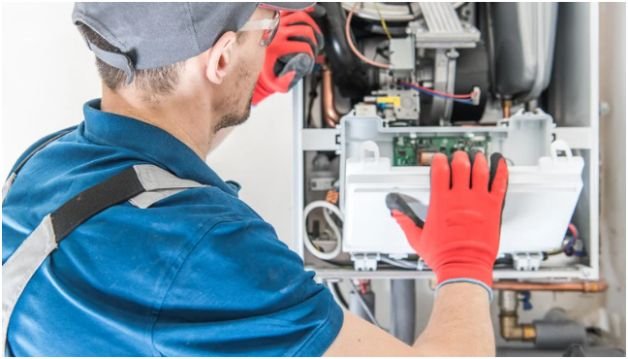
Important Actions During Setup:
- Equipment placement aligns with manufacturer guidelines to support optimal performance.
- Secure mounting techniques prevent vibration and enhance system stability.
- Duct connections and airflow pathways receive accurate alignment to avoid energy loss.
- Electrical wiring and control systems undergo careful integration for seamless operation.
Attention to these steps ensures that every component functions in harmony. Proper integration supports efficient heat distribution with better attic insulation and reduces the likelihood of operational faults.
The Testing, Calibration, and Final Inspection
Final procedures focus on verifying system performance and ensuring compliance with safety standards. Professionals conduct detailed testing to confirm that the heating unit operates efficiently under various conditions. Calibration adjustments refine temperature control and improve energy usage.
A complete inspection identifies any minor inconsistencies that require correction before handover. Documentation and guidance provided by the HVAC installation contractor help users understand system operation and maintenance. This final stage ensures confidence in the system’s reliability and performance.
So, professional heating machine installation relies on careful planning, precise execution, and strict safety measures. Each stage contributes to efficient system performance and long-term dependability. A structured approach ensures comfort, reliability, and peace of mind for property owners.