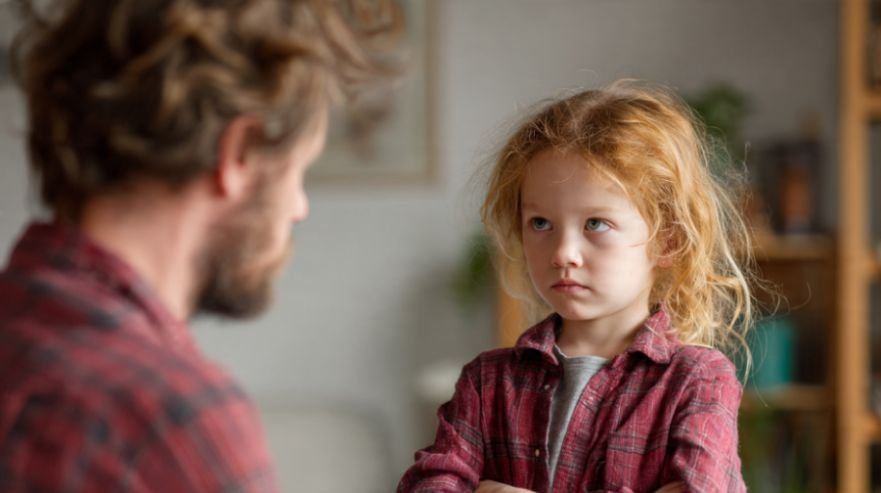
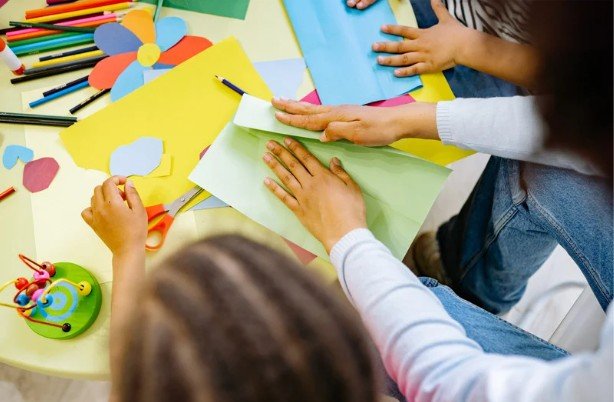
Kids and art go together like crayons and messy tables. Still, picking the right project can feel tricky when attention spans and skills vary so much. The right choice can spark excitement, while the wrong one may lead to quick frustration. This guide breaks down how to match projects with age in a way that feels natural and fun.
Match Projects With Skill Level
Age gives a general idea, though skill level matters. Many parents look for art projects for kids that fit both ability and interest at the same time. Simple tasks help build early confidence with clear steps. When a project feels doable, kids stay focused and interested.
A task that feels too hard can lead to quick boredom. Something too easy may not hold attention for long, either. Balance plays a key role in this choice. A small challenge can keep things fresh without adding pressure.
Keep Materials Simple and Safe
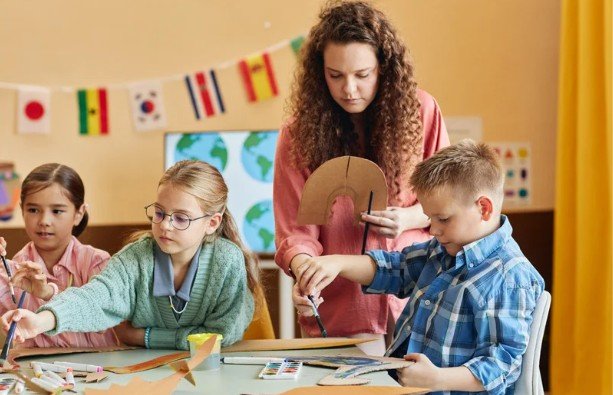
The type of materials can shape the whole experience. Art projects for kids should use tools that feel easy to handle and safe to use. Younger children may need washable paints, thick brushes, and blunt scissors. Older kids can try more detailed tools once they gain better control.
Materials That Work Well by Age
Choosing the right supplies can make a clear difference:
- Crayons and large markers for younger children
- Washable paints for easy cleanup
- Glue sticks for better control
- Basic paper craft with simple tasks
Simple materials help keep the focus on creativity. They also reduce the stress that may come with tricky tools. This keeps the activity relaxed and enjoyable.
Choose Themes That Spark Interest
Kids tend to enjoy projects that connect with their interests. Animals, space, cartoons, or nature themes can catch attention right away. A familiar theme can make the project feel more exciting. This can help keep focus from start to finish.
Allow Room for Creative Choices
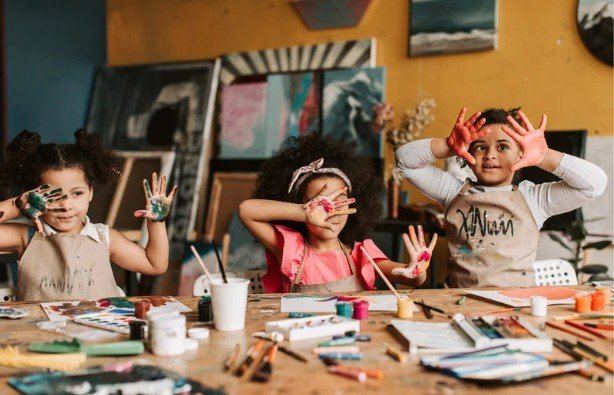
Structure helps guide the process, though freedom matters too. Projects that allow small choices can boost confidence. Kids may pick colors, shapes, or extra details based on their ideas. This makes each piece feel unique.
When every step feels fixed, creativity may feel limited. A bit of flexibility can change that experience. It shows that there is no single correct result. That mindset helps build a stronger connection with art.
Pay Attention to Attention Span
Attention span can shape how a project should be planned. Younger kids may prefer short tasks that end quickly. Older children can handle longer projects with more steps. Matching project length with focus helps avoid frustration.
Short breaks can help during longer activities. A pause can reset focus and energy. This keeps the experience positive from start to finish. A steady pace can make art feel more enjoyable.
The right art project comes down to balance and awareness. Skill level, materials, interest, and attention span all play a part. When these elements line up, the experience feels smooth and enjoyable. With a thoughtful approach, art can become a steady source of creativity and confidence for kids.