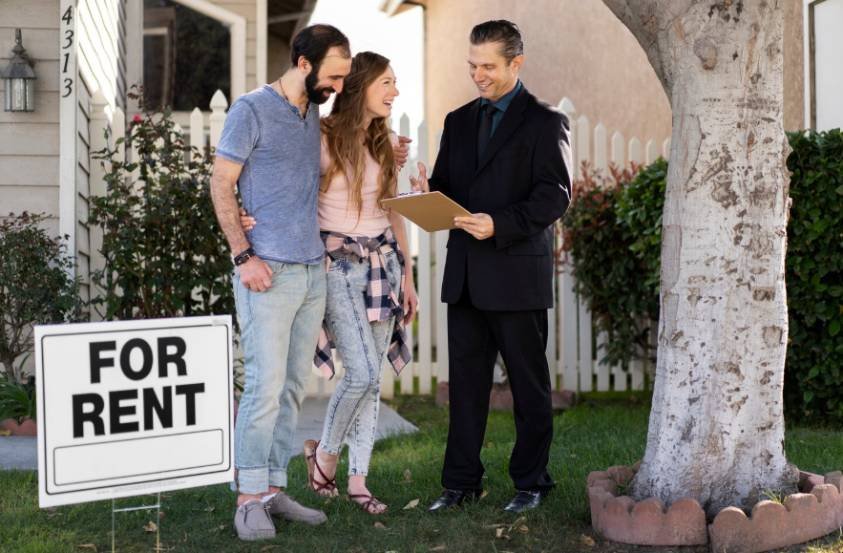
The rental market moves fast. Today’s renters aren’t just looking for a roof over their heads; they are looking for value, convenience, and a place that genuinely feels like home.
For landlords and property managers, staying ahead of the competition is the difference between a thriving, high-yield investment and a costly, vacant property.
If you want to attract high-quality tenants and justify premium rental rates, you have to look beyond the monthly rent price.
Competitiveness is driven by a mix of physical upgrades, modern technology, and stellar tenant relations. Let’s dive into the core strategies that keep rental properties occupied and profitable.
1. Elevating Curb Appeal and First Impressions
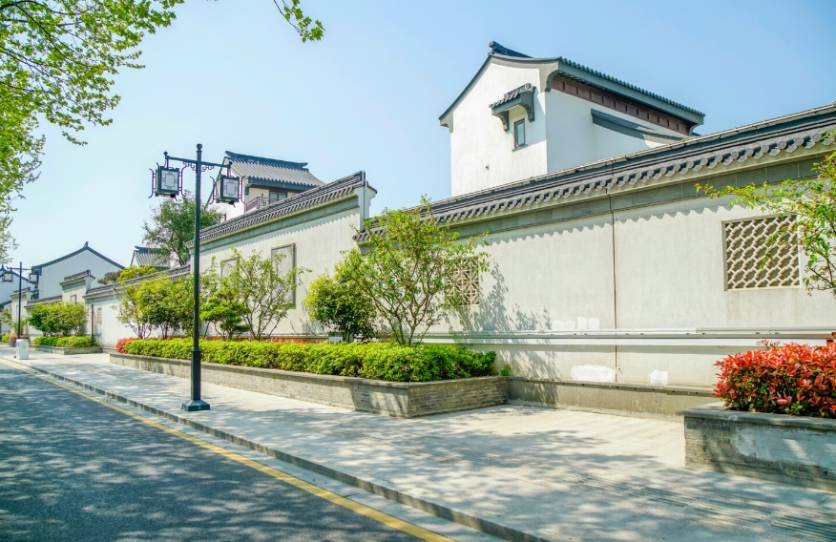
The Quick Answer: First impressions dictate a tenant’s perceived value of a property. Enhancing exterior aesthetics through clean walkways, fresh paint, and tidy landscaping can increase rental inquiries by up to 20%.
Before a prospective tenant ever steps inside your property, they’ve already judged it from the driveway. Neglected exteriors signal to renters that the landlord might also neglect interior maintenance. Simple upgrades like a freshly painted front door, modern house numbers, and well-manicured green spaces make a massive difference.
Incorporating strategic tree lopping for landscape management and property value can also improve visibility, reduce safety risks, protect nearby structures, and create a cleaner exterior that appeals to prospective tenants.
Don’t overlook the condition of your hardscaping either. For example, if you own property in regions with harsh seasonal shifts, winter weather can leave driveways and patios looking cracked and worn down. Investing in professional concrete resurfacing in Sandy UT can instantly modernize your property’s exterior, offering a sleek, clean look without the massive price tag of a full concrete demolition and replacement.
2. Integrating High-Demand Smart Home Technology
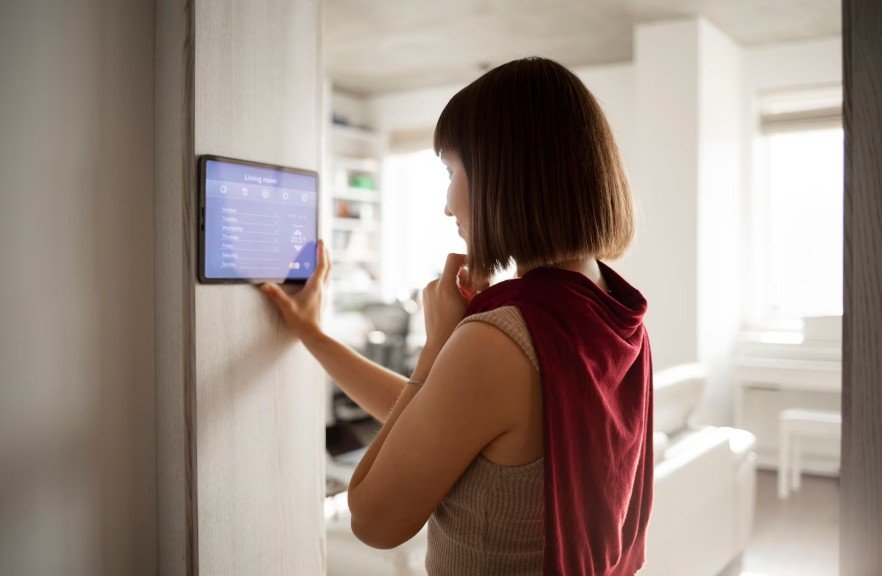
The Quick Answer: Modern renters prioritize convenience, security, and connectivity. Integrating smart thermostats, keyless entry systems, and video doorbells offers the highest return on investment for tech upgrades.
The modern renter pool is dominated by tech-savvy Millennials and Gen Z individuals. For these demographics, smart home amenities are no longer a luxury—they are an expectation.
Consider adding these high-yield tech features to your property:
- Smart Thermostats: Allows tenants to control climate settings via their phones, which lowers utility bills and protects your HVAC system from extreme usage.
- Keyless Entry: Eliminates the hassle of lost keys and makes property showings or maintenance visits incredibly seamless.
- Video Doorbells: Provides an added layer of security that tenants are often willing to pay a premium for.
3. Practicing Proactive Rental Property Maintenance
The Quick Answer: A proactive maintenance strategy prevents costly emergency repairs, protects your property asset, and demonstrates to tenants that their comfort is your top priority.
One of the most common reasons tenants leave a rental is a slow or dismissive response to maintenance requests. If you wait until something breaks completely to fix it, you’re already losing the battle.
| Maintenance Approach | Impact on Tenant | Impact on Landlord Wallet |
| Reactive (Fixing only when broken) | High frustration, higher likelihood of moving out. | Expensive emergency dispatch fees; collateral damage. |
| Proactive (Seasonal checks & minor fixes) | High satisfaction, feels valued and safe. | Predictable, budgeted expenses; longer appliance lifespans. |
Establish a seasonal rental property maintenance checklist. Check the roof after major storms, service the HVAC units twice a year, and clean out the gutters. When tenants see that you care about the building, they are much more likely to take care of their individual units.
Exterior areas should also be included in every seasonal inspection. Identifying the signs your existing patio is hurting property value allows landlords to repair cracks, improve drainage, correct uneven surfaces, and prevent small defects from becoming expensive safety or maintenance problems.
4. Adopting Flexible and Tenant-Centric Policies
The Quick Answer: Embracing flexible policies—such as allowing pets or minor cosmetic personalizations—drastically expands your applicant pool and fosters long-term tenant loyalty.
Many landlords make the mistake of setting overly rigid rules out of fear of property damage. However, being too strict can alienate excellent, responsible renters.
Take pet policies, for instance. A massive percentage of renters own pets. By enforcing a strict “no pets” policy, you automatically cut out a huge portion of the market. Instead of an outright ban, charge a reasonable, non-refundable pet fee or monthly pet rent to cover potential wear and tear.
Additionally, let tenants make the place feel like home. Allowing them to hang pictures with paint-safe hooks or swap out standard light fixtures (with the caveat that they change them back upon moving out) builds an emotional connection to the space.
5. Maximizing Energy Efficiency to Lower Living Costs
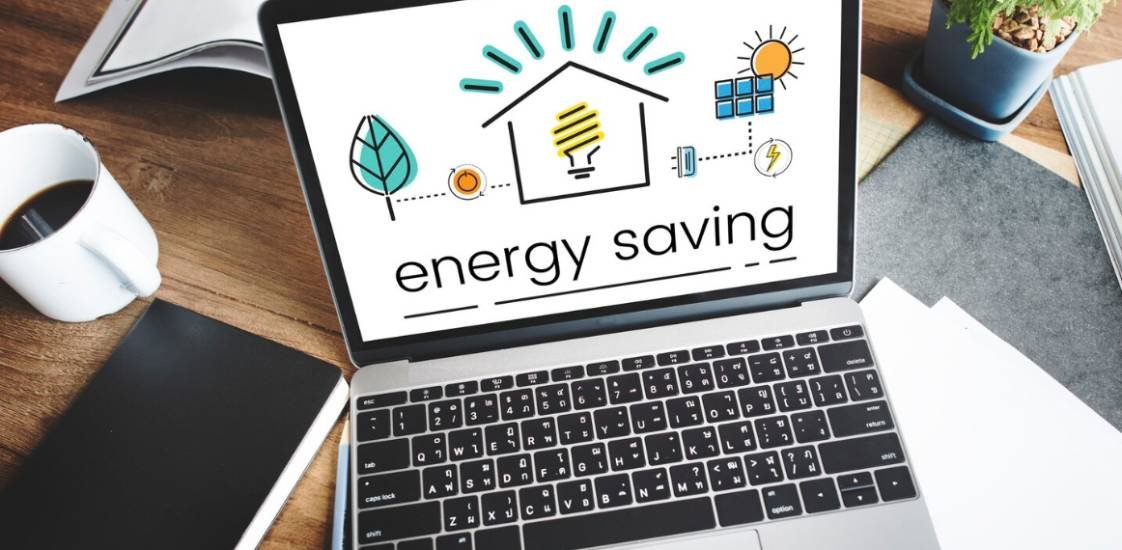
The Quick Answer: Energy-efficient upgrades reduce overall living costs for tenants, making your property financially more attractive than comparable units with older, inefficient systems.
When tenants calculate their monthly budget, they look at the total cost of housing, which includes utilities. A property with a slightly higher rent but low utility bills will often win out over a cheaper, drafty apartment with astronomical electric bills.
Common Overlooked Energy Upgrades:
- Swapping out incandescent bulbs for long-lasting LEDs.
- Installing low-flow showerheads and dual-flush toilets to cut water bills.
- Adding weatherstripping around older doors and windows to eliminate drafts.
These eco-friendly updates serve a dual purpose: they attract environmentally conscious renters and safeguard your property against moisture and energy waste.
6. Implementing Data-Driven Tenant Retention Strategies
The Quick Answer: Keeping an existing tenant is always more cost-effective than finding a new one. Prioritizing open communication and thoughtful renewal incentives minimizes vacancy days and safeguards your cash flow.
Turnover is the ultimate profit killer in real estate. Between cleaning, marketing, tenant screening, and lost rent, a single month of vacancy can wipe out a year’s worth of profit.
To keep your property competitive, build robust tenant retention strategies into your business model. Send a small token of appreciation, like a digital gift card, during the holidays. Reach out 90 days before a lease expires to discuss renewals, and offer a small upgrade—such as a professional carpet cleaning or a new appliance—as an incentive for them to sign for another year.
FAQ Section
1. What amenities do modern renters care about the most?
In-unit laundry, high-speed internet readiness, dedicated parking, and outdoor spaces (like a patio or balcony) consistently rank at the top of tenant wish lists across almost all demographics.
2. Can I raise the rent if I add smart home features?
Yes. Properties equipped with smart security, automated lighting, or smart climate control can often command an extra $25 to $50 per month, depending on your local market conditions, while accelerating the leasing process.
3. How often should I refresh the paint and flooring in a rental?
As a rule of thumb, walls should get a fresh coat of paint every 3 to 5 years, or between tenants if noticeable wear exists. Carpets typically need replacement every 5 to 7 years, though durable options like luxury vinyl plank (LVP) flooring can last 10 to 15 years or more.
4. Is it worth it to update a rental property kitchen?
Kitchens sell homes, and they rent apartments. You don’t need a custom, luxury remodel, but replacing outdated laminate countertops with durable quartz, painting old cabinets, and installing matching stainless steel appliances provides a massive competitive advantage.
Conclusion
Staying competitive in the rental market requires looking at your property through the eyes of the tenant. It is a balancing act of maintaining strong curb appeal, integrating smart conveniences, and keeping up with proactive repairs.
By treating your rental property as a premium service rather than just a physical space, you create a community where tenants want to stay long-term, securing your rental income for years to come.