Domestic violence leaves deep scars, both visible and invisible. Survivors often face not only physical injuries but emotional trauma that can affect their self-esteem, relationships, and ability to trust others. While leaving an abusive situation is a brave first step, the journey toward healing is ongoing and multifaceted. Fortunately, there are numerous resources and strategies to support survivors in rebuilding their lives and reclaiming their sense of safety and empowerment.
Understanding the Impact of Domestic Violence
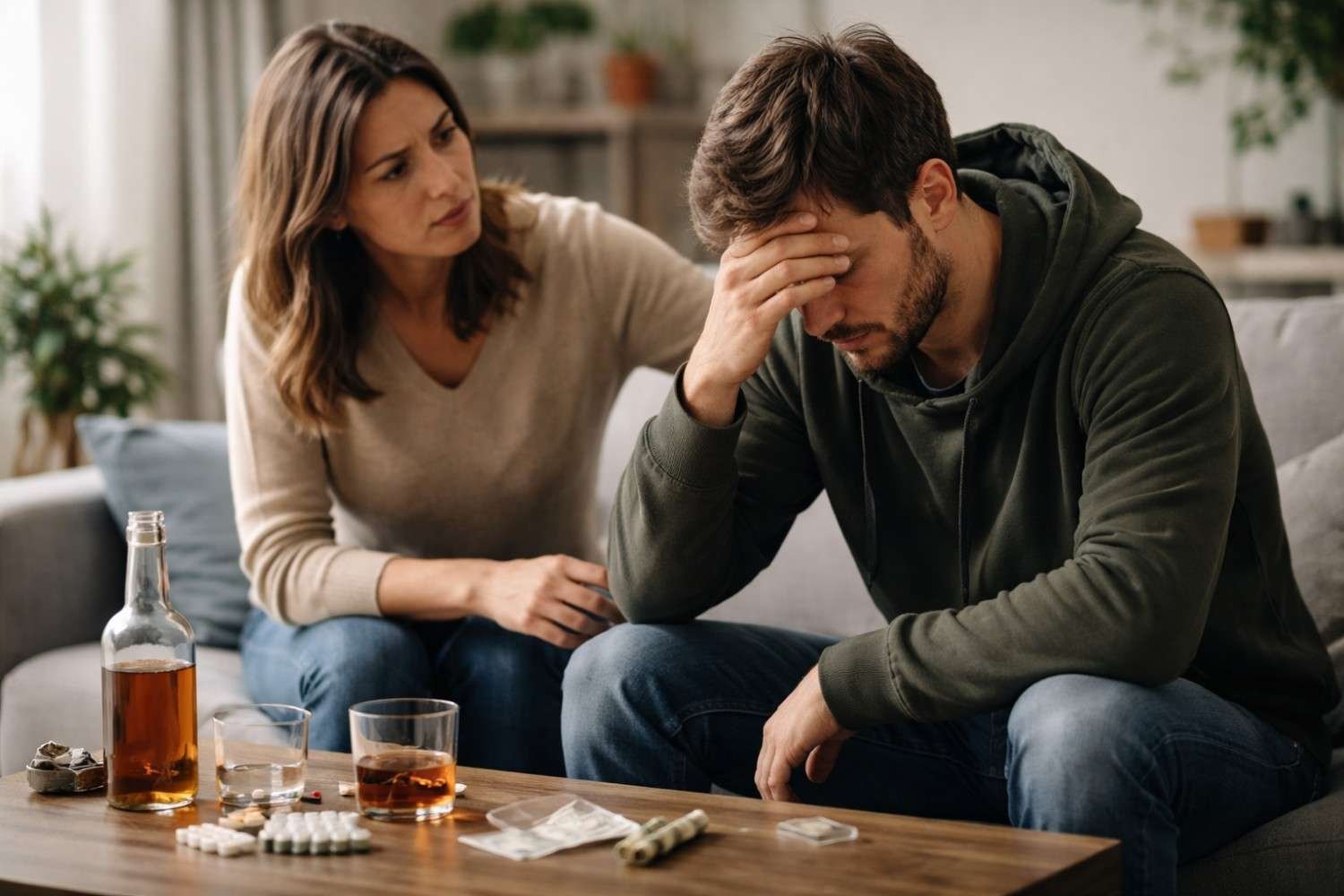
Domestic abuse can take many forms: physical, emotional, psychological, sexual, or financial. Survivors may struggle with anxiety, depression, post-traumatic stress, or feelings of isolation. Recognizing these effects is crucial because understanding that the trauma is real and valid is the first step toward recovery.
Healing is not linear, and it’s important to acknowledge that setbacks are a normal part of the process. In addition, it’s essential to recognize the causes of emotional exhaustion, as many survivors feel emotionally drained by the ongoing effects of abuse.
Seeking Emotional and Psychological Support
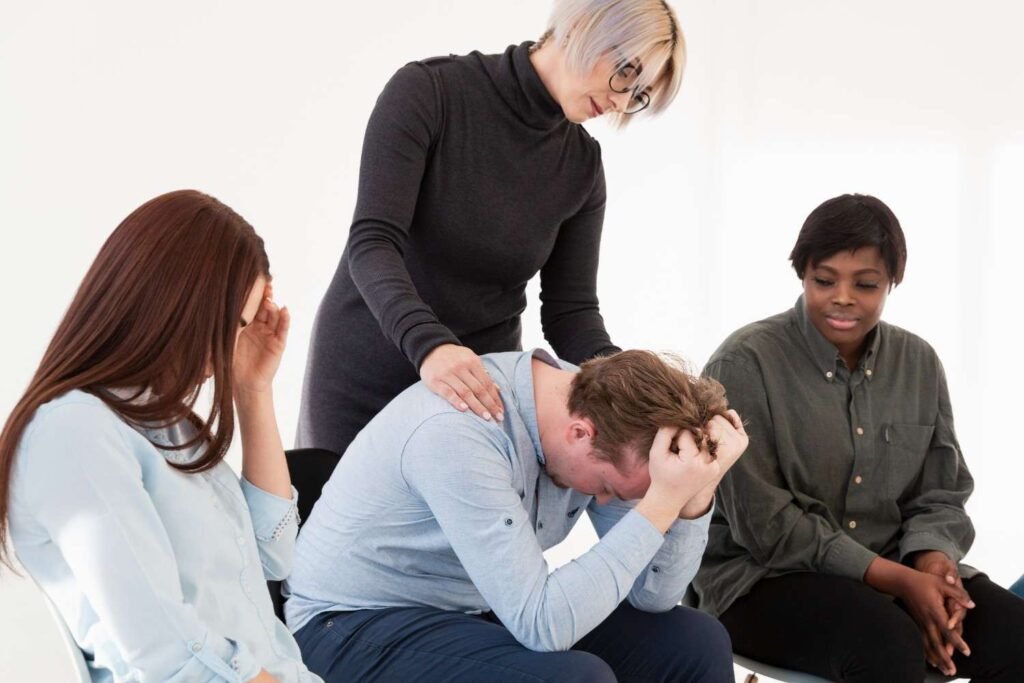
Professional counseling can be invaluable for survivors. Licensed therapists specializing in trauma or domestic violence can help individuals process their experiences and develop coping strategies. Support groups—both in-person and online—offer a sense of community and shared understanding, reminding survivors they are not alone.
In Utah, organizations such as the Utah Domestic Violence Coalition provide resources, support lines, and connections to safe housing and counseling services. These programs are designed to empower survivors, helping them regain control of their lives while offering guidance for next steps.
Legal Resources and Advocacy
Navigating the legal system can be daunting for survivors of abuse. Legal advocates can provide guidance on restraining orders, custody issues, and other protections. In some cases, survivors may also seek compensation for injuries sustained during abuse. Consulting a personal injury law firm in Utah experienced with domestic violence cases can help victims understand their rights and pursue justice while receiving support through the legal process.
Safe Housing and Financial Assistance
Finding a safe place to live is often a top priority. Many shelters and nonprofit organizations offer temporary housing, emergency funds, and support services to help survivors transition into independent living. Financial assistance programs may help cover essential expenses such as rent, utilities, childcare, and education, which can be critical for someone starting over after abuse.
Building a Support Network
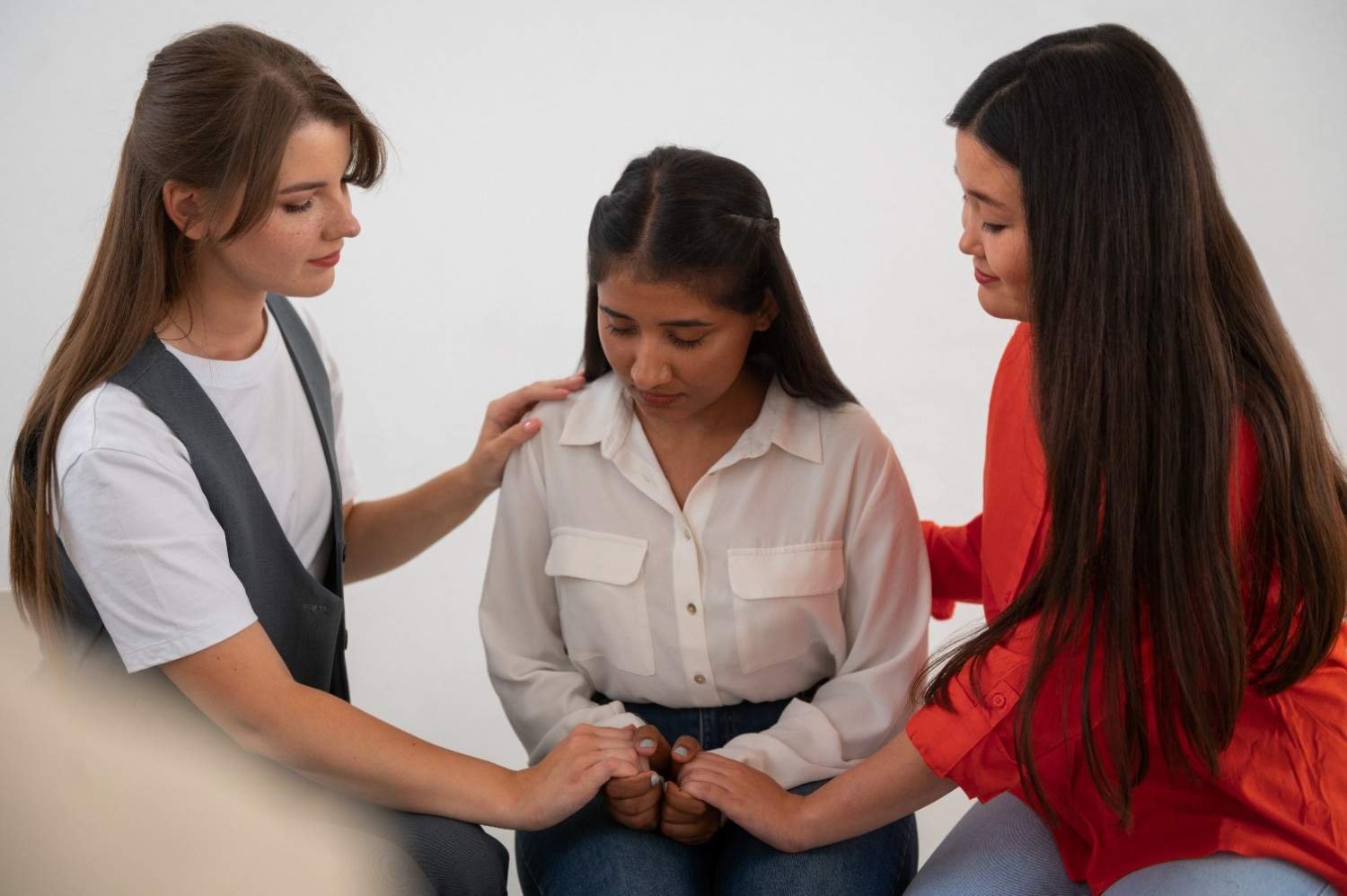
Healing is significantly bolstered by a strong support system. Friends, family members, and community organizations can provide encouragement, understanding, and practical help. Encouraging survivors to maintain social connections and develop new ones can reduce feelings of isolation and build resilience.
Self-Care and Empowerment

Self-care plays an essential role in recovery. Survivors are encouraged to engage in activities that restore confidence and peace of mind, such as exercise, meditation, journaling, or creative pursuits. Setting achievable goals, celebrating small victories, and acknowledging personal strengths can help rebuild a survivor’s sense of identity and autonomy.
Empowerment also comes from education and awareness. Learning about the dynamics of abuse, recognizing unhealthy patterns, and understanding personal boundaries equips survivors to make informed decisions about future relationships and personal safety.
Moving Forward
Healing beyond the hurt is a journey, not a destination. While the scars of domestic violence may never fully disappear, survivors can reclaim their lives, build meaningful connections, and regain a sense of safety and purpose. With emotional, legal, and community resources, it is possible to transform trauma into strength and resilience.
If you or someone you know is experiencing abuse, reaching out to local support organizations, legal advocates, and counseling services is a vital step. Remember, seeking help is a sign of strength, not weakness, and no one should face domestic violence alone. Recovery is possible, and with the right resources, survivors can look forward to a future defined by hope, empowerment, and healing.