

A roof plays a major role in keeping a home safe and comfortable. Homeowners usually focus on materials, style, and cost, but the warranty deserves equal attention.
A clear and fair warranty helps protect your investment and reduces stress later. In San Diego County, weather conditions like strong sun, coastal air, and seasonal winds make warranty details even more important.
A reliable roofing contractor in San Diego County should explain warranty terms in simple language before any work begins.
Homeowners should feel confident about what is covered and what is not. This article explains why roofing warranties matter, what they usually include, and how to review them before making a final decision.
Importance of Roofing Warranties in Home Protection

A roofing warranty shows how much support you receive after installation. It acts as a written promise that certain issues will receive attention within a set time. For homes in San Diego County, this protection matters because roofs face constant exposure to the sun and changing temperatures.
A strong warranty also reflects the contractor’s confidence in their work. Contractors who value quality usually provide clear and fair coverage. This assurance helps homeowners feel secure knowing help is available if problems appear later.
Main Aspects Found in Roofing Warranties
Roof warranties usually include different areas of protection. Each part serves a specific purpose and helps cover common concerns.
- Workmanship protection covers problems caused by installation mistakes.
- Material protection covers defects related to roofing products.
- Coverage length explains how long the warranty remains active.
- Transfer options allow coverage to move to a new owner if the home sells.
These points help homeowners understand how protection works after the project ends.
Coverage Duration and Hidden Limits
The length of coverage can vary widely. Some warranties last only a few years, while others provide longer support. Longer coverage offers added comfort, especially in San Diego County, where roofs experience constant sun exposure.
Limits also exist within most warranties. Some plans cover repairs but not full replacement. Others exclude certain roof sections or require specific care steps. Reading the full document helps avoid confusion later and ensures realistic expectations.
Warranty Rules That Homeowners Must Follow
Every warranty includes rules that homeowners must follow to keep coverage active. Skipping regular care or making changes through another service provider may cancel protection. A trusted roofing contractor in San Diego County should explain these rules clearly before work begins.
Homeowners should keep records of inspections and maintenance. Written proof helps if a claim arises later. Clear communication between both sides supports long-term protection.
Questioning is Important Before Signing an Agreement
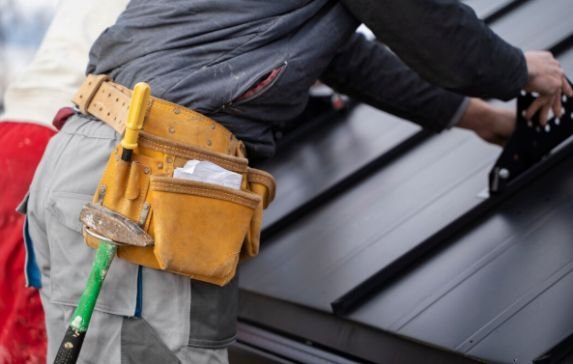
Asking the right questions leads to better choices. Homeowners in San Diego County should ask who handles warranty claims and how fast support usually arrives. Knowing the process helps reduce delays during future issues.
Another helpful question involves inspection requirements. Some warranties require scheduled checks to stay valid. Understanding these responsibilities prevents unexpected costs and protects coverage.
A roofing warranty adds long-term value and peace of mind. Clear terms, fair limits, and honest explanations make a big difference. Homeowners who take time to review details and ask questions make stronger decisions. A well-planned warranty supports lasting roof performance and protects homes throughout San Diego County.