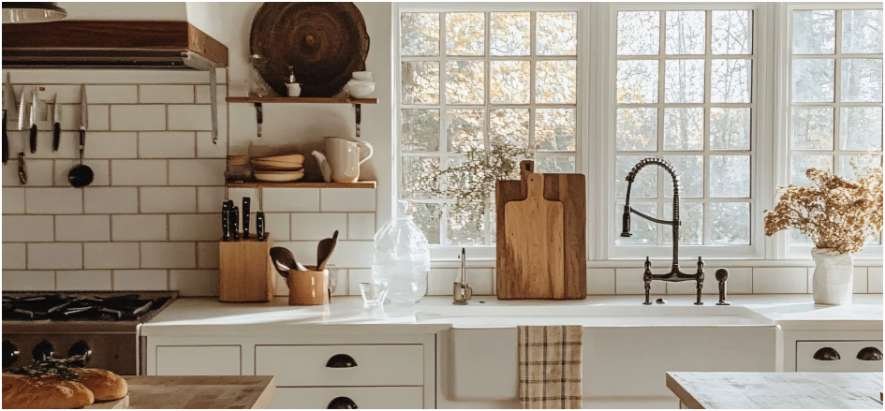
The kitchen serves as the operational center of most homes. It is where meals are prepared, families gather, and guests naturally gravitate. However, many older homes feature kitchens that feel cramped or disconnected from the rest of the living space.
You do not always need a massive, expensive renovation to solve these issues. Often, a small addition or a strategic expansion can dramatically improve both the functionality and value of your home.
Focusing on targeted changes allows homeowners to fix specific pain points without the disruption of a full-scale remodel. By adding just a few square feet or reconfiguring an existing layout, you can create a kitchen that feels twice as large.
The Micro-Addition Bump-Out
One of the most effective ways to gain valuable floor space is through a “bump-out” addition. This involves pushing an exterior wall out by just two or three feet. While this might sound insignificant, it creates enough depth to transform the utility of the room.
A bump-out can provide the necessary clearance for a kitchen island, which acts as a focal point for cooking and socializing. Alternatively, this extra space can house a new row of deep counters or an appliance garage.
This approach is often more cost-effective than a full room addition because it may not require a new foundation for the entire new area. Sometimes, the existing floor joists can be cantilevered to support the extension.
Creating a Sun-Drenched Breakfast Nook
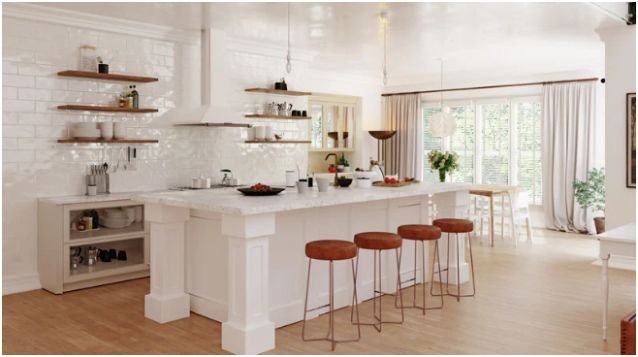
Dark kitchens often feel smaller than they actually are. Adding a small breakfast nook is a brilliant way to introduce natural light and create a cozy dining area. This type of addition usually extends into the backyard or side yard.
Glass is the primary component here. By incorporating large windows or even a skylight, you flood the adjacent kitchen with sunlight. This architectural feature makes the entire room feel airy and open. A built-in bench with storage underneath maximizes the utility of the nook, offering a place to hide seasonal items or linens while providing comfortable seating for morning coffee.
Adding a Butler’s Pantry
Storage is a perennial issue in kitchen design. If expanding the main kitchen footprint is not feasible, consider adding a butler’s pantry or a walk-in larder adjacent to the main space. This small annex serves as a staging area for meals and a storage hub for small appliances.
Moving the microwave, toaster, and coffee maker into a pantry clears your main countertops. This decluttering effect instantly makes the primary kitchen feel more spacious and organized. It also allows for bulk buying and storage of dry goods, which is a practical benefit for larger families.
Upgrading Cabinetry and Materials
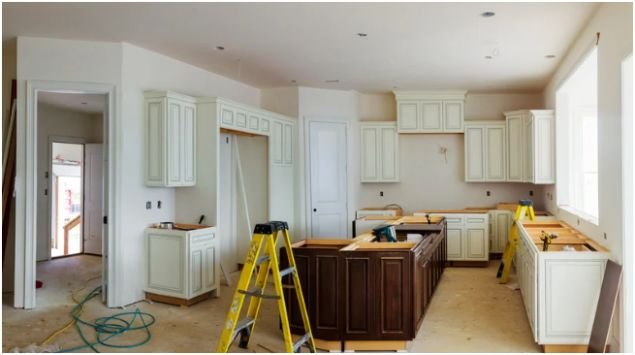
Sometimes the “addition” is not about square footage but about volume and capacity. Replacing standard cabinetry with floor-to-ceiling units utilizes the often-wasted space near the ceiling, which most overlooked issues in homes. This vertical expansion offers a home for rarely used items like large serving platters or holiday dishware.
The quality of materials you choose for these upgrades plays a huge role in the final look. Homeowners often look to regions known for woodworking excellence when sourcing materials.
Whether you choose local custom joinery or order specific styles like cabinets from Salt Lake City, the goal is to find durable construction that withstands daily wear. High-quality hinges, solid wood doors, and resilient finishes ensure that your investment looks good for decades.
Connecting to the Outdoors
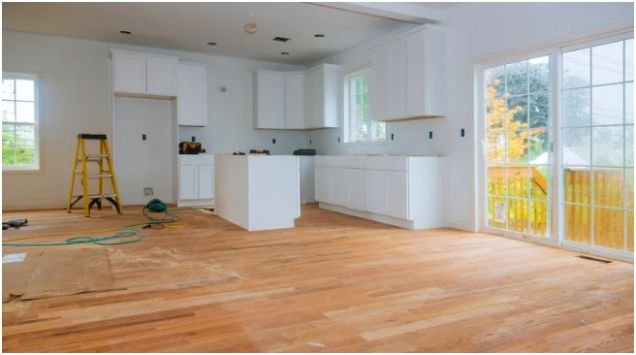
Blurring the line between indoor and outdoor spaces is a popular trend that makes small kitchens feel expansive. Adding a large sliding glass door or a folding door system can effectively double your entertaining space during warmer months.
Consider a pass-through window that opens to an outdoor counter or bar area. This feature allows you to pass food and drinks directly to the patio without constant traffic through the kitchen work triangle. It creates a seamless flow for entertaining and encourages guests to spread out rather than crowding the cook, which is one of the best yard makeovers magic along withthe kitchen upgrades.
Strategic Layout Improvements
Sometimes the best addition is simply reshaping the existing flow. If your kitchen is closed off from the living or dining room, removing a non-load-bearing wall can revolutionize the space. While not an external addition, this structural change adds visual depth.
Replacing a wall with a peninsula offers the best of both worlds. You maintain the storage and counter space of the wall while gaining the open sightlines of a modern layout. This change allows the cook to interact with family members in the adjacent room, making the kitchen feel like a fully integrated part of the home rather than a secluded workspace.
Conclusion
Improving your kitchen does not require gutting the house or spending a fortune on a massive new wing. Small, thoughtful additions like a cantilevered bump-out, a sunny breakfast nook, or optimized vertical storage can solve space issues effectively.
By focusing on how you use the room and where the bottlenecks are, you can select the specific upgrade that delivers the highest return on investment and creates a kitchen you love to use.