
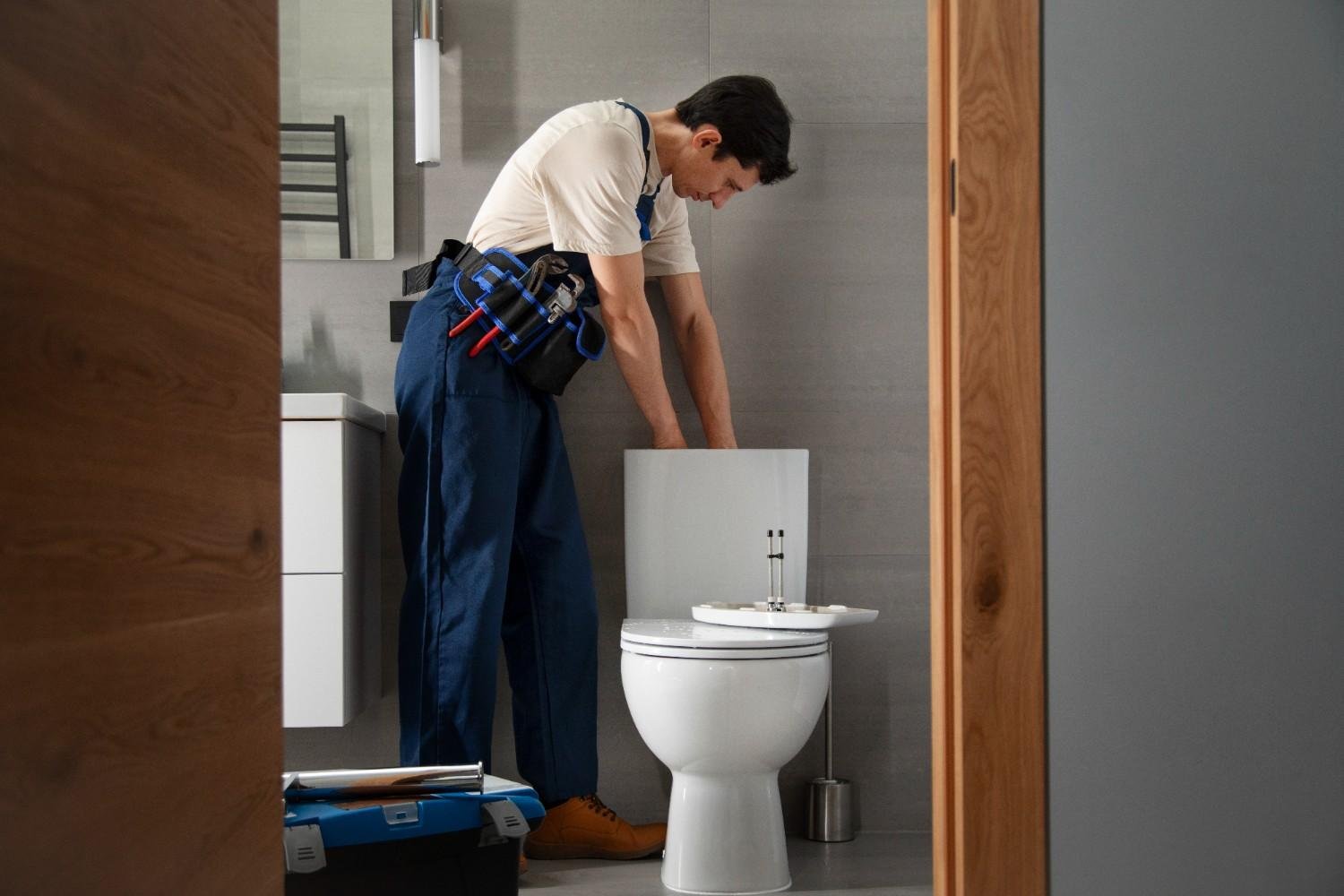
A toilet that won’t flush properly is more than an annoyance—it can disrupt daily life and signal underlying plumbing issues. Weak or incomplete flushes often stem from simple problems that homeowners can fix without calling a professional. Understanding the causes helps you troubleshoot and restore normal function quickly.
If you rely on a septic system, maintenance is even more important. Regular care—including services like septic tank cleaning in Salt Lake City—prevents backups and keeps your plumbing running smoothly.
Let’s explore common reasons for poor flush performance and practical solutions.
Common Causes of a Weak or Poor Flush
Toilets use a balance of water pressure and gravity to remove waste. When that balance is disrupted, flushing power declines. Here are the most frequent culprits:
1. Clogged Drain or Trap
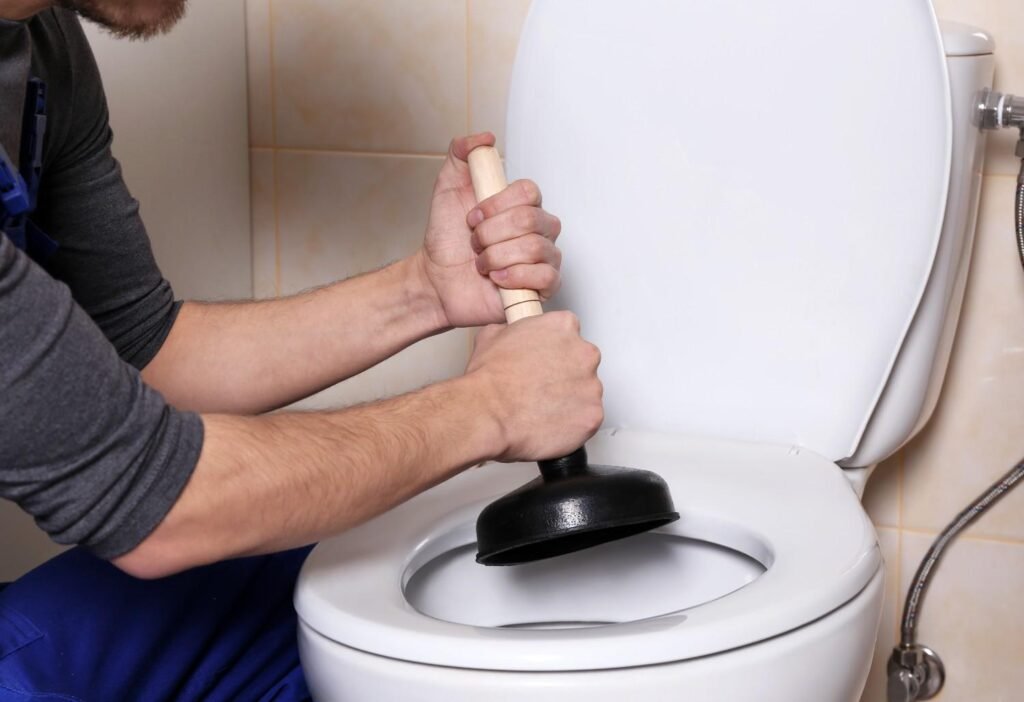
A partial clog restricts water flow, leading to slow or weak flushing. Items like toilet paper buildup or foreign objects can block the trap or drainpipe.
Solution: Use a plunger to dislodge minor clogs. If that doesn’t work, a toilet auger can reach deeper blockages.
2. Low Water Level in the Tank
The toilet tank must fill to the proper level for an effective flush. If the water level is too low, there isn’t enough pressure to clear waste.
Solution: Check the fill valve and adjust it so the water reaches the manufacturer’s recommended line inside the tank.
3. Mineral Buildup in the Rim Jets
Over time, minerals from hard water can clog the small jets under the toilet rim. These jets release water during flushing, and blockages reduce flow.
Solution: Clean the jets with a wire or vinegar solution. Regular maintenance helps prevent future buildup.
4. Faulty Flapper or Seal
The flapper controls water release from the tank into the bowl. If it doesn’t seal properly, water leaks slowly, reducing flush strength.
Solution: Inspect the flapper for wear and replace it if necessary. Flappers are inexpensive and easy to install.
5. Vent Pipe Blockages
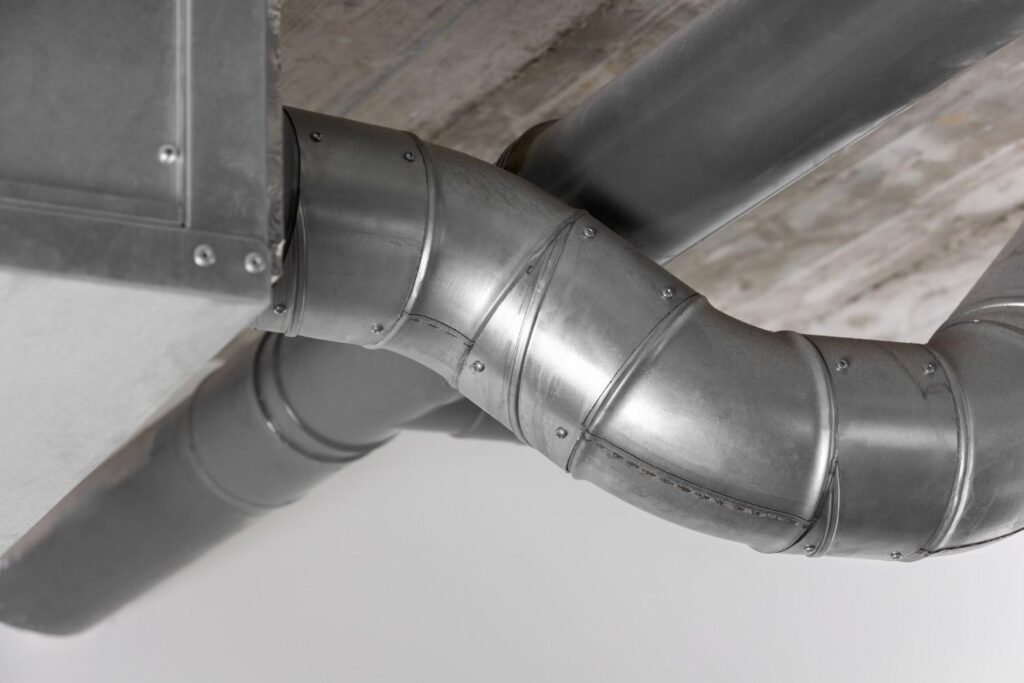
Plumbing vent pipes allow air to flow through the system, maintaining proper pressure. Leaves, debris, or bird nests can obstruct vents, leading to weak flushes.
Solution: Clear the vent pipe or hire a professional if the blockage is hard to access.
6. Aging Toilet Components
Older toilets may experience wear and tear that affects performance. Internal parts degrade over time, reducing efficiency.
Solution: Consider replacing worn components or upgrading to a modern, water-efficient toilet.
Modern plumbing improvements are increasingly part of broader smart building upgrades for schools and office environments, where water efficiency, automated leak detection, and sensor-based systems help reduce waste and maintenance costs. While residential systems are simpler, many of the same efficiency principles apply at home.
DIY Fixes You Can Try
Before calling a plumber, try these simple troubleshooting steps:
✔ Plunge the toilet to remove minor clogs
✔ Check and adjust the tank water level
✔ Clean mineral deposits from rim jets
✔ Replace a worn flapper or faulty seal
✔ Inspect the vent pipe for obstructions
These solutions often restore normal flushing without professional assistance.
When to Call a Professional
Some problems require expert help. Contact a plumber if:
- Clogs persist after plunging
- The toilet backs up repeatedly
- You notice gurgling sounds in drains
- Water leaks around the base
- Septic systems show signs of backup
Professional plumbers can diagnose complex issues and prevent further damage.
Septic System Considerations
If your home uses a septic system, flushing problems may relate to tank capacity or maintenance. Septic tanks require periodic pumping and inspection to function properly.
Ignoring maintenance can lead to backups and costly repairs. Routine care—such as septic tank cleaning in Salt Lake City—keeps the system healthy and prevents plumbing disruptions.
Homeowners should also avoid flushing non-degradable items like wipes or feminine hygiene products, which can clog septic systems.
Preventing Future Flush Problems
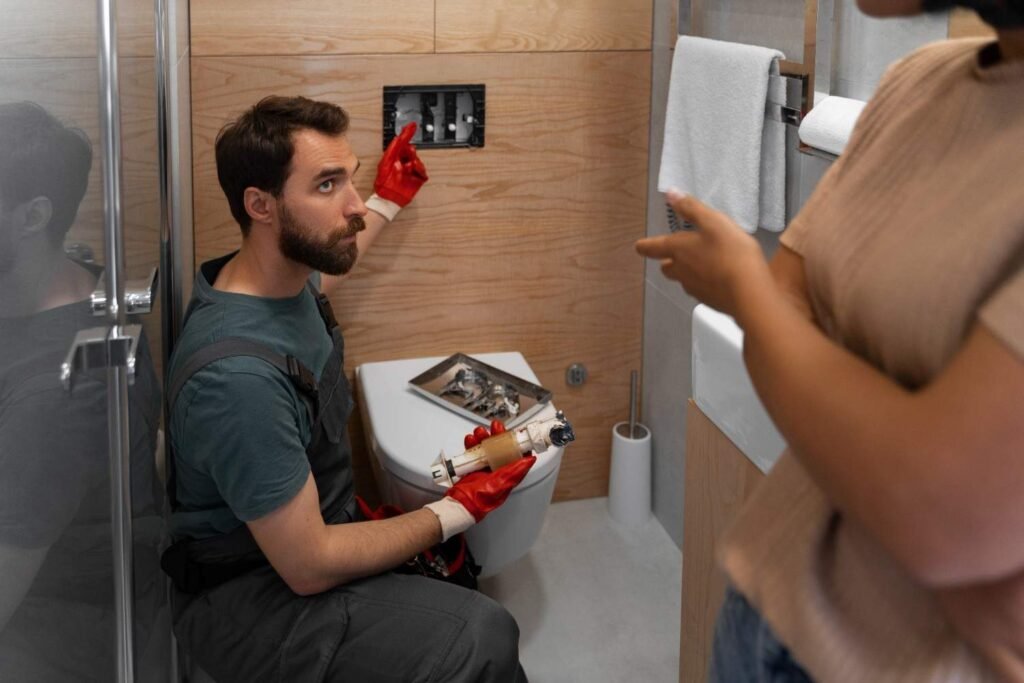
Regular maintenance reduces the likelihood of weak flushes. Follow these tips:
✔ Clean the toilet tank and jets periodically
✔ Avoid flushing foreign objects
✔ Use septic-safe toilet paper if applicable
✔ Schedule septic system inspections
✔ Replace worn components promptly
A little preventative care goes a long way in maintaining performance.
Final Thoughts
A toilet that won’t flush properly is usually fixable with basic troubleshooting. Clogs, low water levels, and worn components are common causes that homeowners can address. For septic system users, routine maintenance and professional services help prevent long-term issues.
By understanding the problem and applying simple solutions, you can restore flushing power and keep your bathroom running smoothly.
If problems persist, consult a professional plumber for expert assistance.