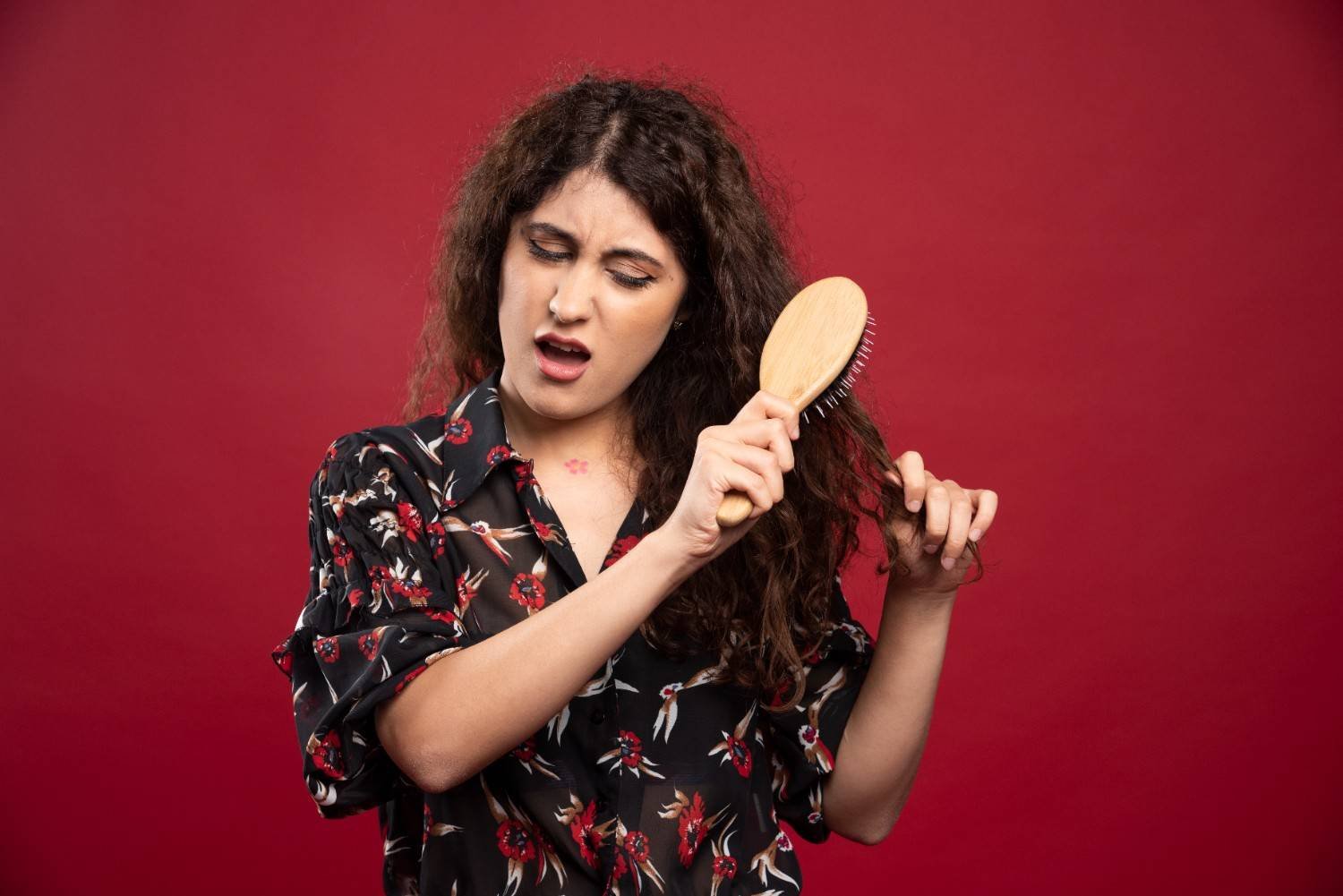
Hair loss is a condition that affects millions of people worldwide, and it can have a profound impact on self-esteem and confidence. While it is often associated with aging, hair loss can occur at any stage of life, affecting both men and women. Understanding the causes, debunking common myths, and exploring effective solutions can help those experiencing hair loss take control of their hair health and regain confidence.
Common Causes of Hair Loss
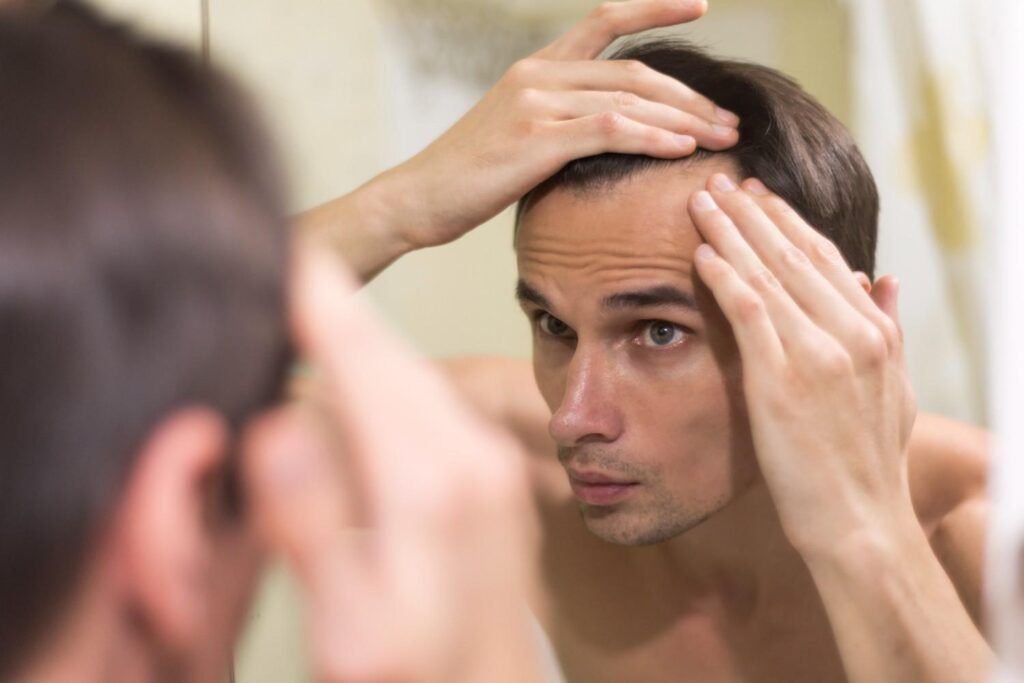
Hair loss can result from a variety of factors, and identifying the root cause is essential for finding an effective solution.
1. Genetics: The most common cause of hair loss, known as androgenetic alopecia or pattern baldness, is inherited from your family. Men often experience receding hairlines, while women may notice thinning at the crown.
2. Hormonal Changes: Hormonal imbalances, such as those during pregnancy, menopause, or thyroid disorders, can trigger temporary or permanent hair loss.
3. Medical Conditions: Certain medical conditions like alopecia areata, scalp infections, and autoimmune diseases can result in hair loss. Chemotherapy and radiation treatments also cause significant hair shedding.
4. Nutritional Deficiencies: Lack of essential vitamins and minerals, including iron, vitamin D, and biotin, can affect hair growth and strength.
5. Stress and Lifestyle Factors: Physical or emotional stress, poor diet, smoking, and excessive use of heat or chemical treatments can weaken hair follicles and accelerate shedding.
Debunking Common Hair Loss Myths

Hair loss is surrounded by numerous misconceptions. Separating fact from fiction is crucial for making informed decisions about treatment.
- Myth 1: Hair loss only affects men.
Women experience hair thinning and hair loss too. In fact, female pattern hair loss is a common and often overlooked issue.
- Myth 2: Wearing hats causes baldness.
There’s no scientific evidence linking hat-wearing to hair loss. Hair follicles get their nourishment from the bloodstream, not the scalp’s exposure to air.
- Myth 3: Shampooing too often causes hair loss.
Regular shampooing does not lead to hair loss. However, harsh shampoos or vigorous brushing when wet can damage hair strands.
- Myth 4: Stress always leads to permanent hair loss.
While stress can trigger hair shedding, it is usually temporary. Once stress levels are managed, hair often regrows naturally.
Solutions and Treatments
Managing hair loss involves a combination of lifestyle adjustments, medical treatments, and cosmetic solutions.
1. Medical Treatments: Minoxidil and finasteride are widely used treatments for pattern baldness. They can slow hair loss and, in some cases, stimulate regrowth. Consulting a dermatologist is important before starting any medication.
2. Nutritional Support: Maintaining a balanced diet rich in proteins, vitamins, and minerals supports hair growth. Supplements may help if deficiencies are present.
3. Lifestyle Changes: Reducing stress through meditation, exercise, or therapy can minimize hair shedding. Avoiding excessive heat styling and chemical treatments protects hair from damage.
4. Cosmetic Solutions: For those seeking aesthetic improvements, options like hair fibers, wigs, and microblading in Utah can help restore a natural appearance and boost confidence. Microblading, in particular, provides a semi-permanent solution for eyebrows affected by thinning hair.
5. Surgical Options: Hair transplant surgery is an option for individuals with significant hair loss who desire permanent results. This procedure involves relocating healthy hair follicles to thinning areas.
Coping with Hair Loss

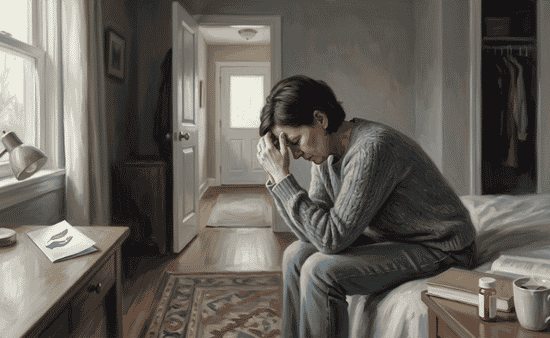
Hair loss can affect emotional well-being, leading to anxiety, low self-esteem, and even emotional exhaustion over time. Joining support groups, discussing concerns with a dermatologist, or exploring cosmetic solutions can help individuals cope with these changes. Acceptance and self-care are key components in navigating hair loss.
In Conclusion
Understanding the causes of hair loss, separating myths from facts, and exploring the range of available treatments empowers individuals to take proactive steps toward healthier hair. While hair loss can be challenging, there are numerous strategies—medical, nutritional, and cosmetic—that can help manage its effects.
Whether through lifestyle adjustments, professional treatments, or cosmetic solutions like microblading in Utah, regaining confidence and improving hair health is entirely achievable.