Understanding the Journey Beyond Braces
The day the braces come off with an orthodontist London or elsewhere is often celebrated as a milestone moment, marking the end of months or even years of orthodontic treatment. However, what many patients don’t realise is that this moment represents not an ending, but rather a transition into an equally important phase of their orthodontic journey.
Orthodontic relapse, the gradual shifting of teeth back towards their original positions, affects a surprising number of patients who have completed their treatment. Understanding why this happens and how to prevent it can make the difference between maintaining a beautiful smile for life or watching it slowly disappear.
The phenomenon of orthodontic relapse is more common than most people expect, with studies suggesting that some degree of tooth movement occurs in the majority of patients after treatment completion. This doesn’t mean that all the hard work and investment in orthodontic care has been wasted, but it does highlight the critical importance of the retention phase.
The teeth, gums, and surrounding bone structures have a remarkable memory, and without proper maintenance, they will attempt to return to their previous positions with surprising determination.
The Science Behind Tooth Movement
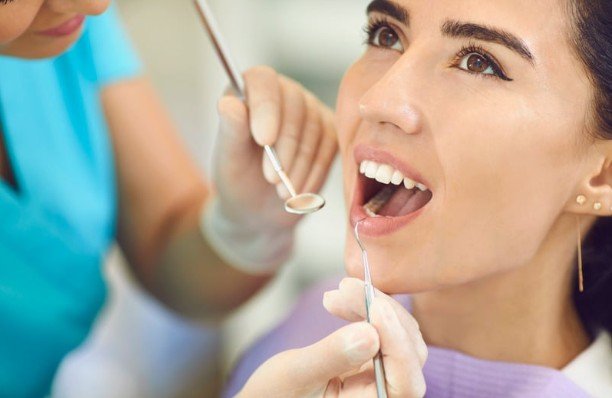
To truly grasp why orthodontic relapse occurs, one must first understand the biological mechanisms that allow teeth to move in the first place. Teeth are not fixed rigidly in the jawbone; rather, they are suspended within the bone by a complex network of fibres called the periodontal ligament. During orthodontic treatment, controlled pressure is applied to teeth, causing the bone on one side to resorb while new bone forms on the other side.
The challenge arises because these periodontal fibres possess an elastic quality and can remain stretched for extended periods following treatment. Much like an elastic band that has been pulled, these fibres exert a constant, gentle force, encouraging teeth to return to their original positions. Additionally, the bone surrounding newly positioned teeth takes considerable time to fully remodel and stabilise, often requiring many months or even years to reach complete maturity.
Common Causes of Orthodontic Relapse
Several factors contribute to the likelihood and severity of orthodontic relapse. Perhaps the most significant culprit is inadequate retainer wear, with many patients becoming complacent once their braces are removed. The initial months following treatment removal are absolutely critical, yet this is precisely when many individuals fail to comply with their retainer schedule. Life gets busy, retainers get misplaced, and before long, subtle shifts begin to occur that can compound over time.
Biological factors also play a substantial role in relapse. The natural ageing process continues to affect the teeth and jaw throughout one’s lifetime, with teeth naturally drifting forward and becoming more crowded with age. Wisdom teeth eruption can create additional pressure, pushing other teeth out of alignment.
Habits such as thumb sucking, tongue thrusting, or mouth breathing can exert consistent forces on teeth, gradually moving them from their corrected positions. Even seemingly unrelated issues like teeth grinding or clenching can contribute to unwanted tooth movement over time.
Effective Prevention Strategies
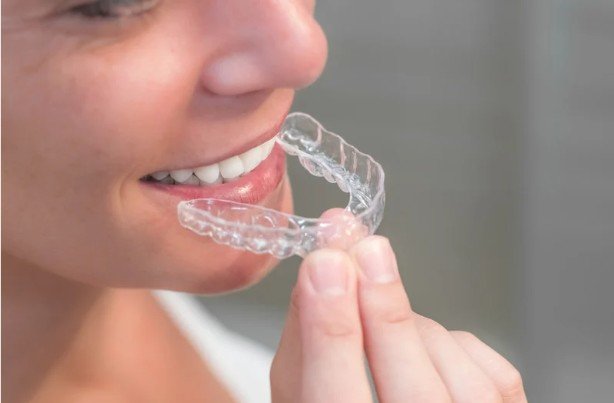
The cornerstone of preventing orthodontic relapse lies in diligent retainer use. Most orthodontic professionals recommend wearing retainers full-time for at least the first six months following treatment, then transitioning to night-time wear indefinitely. Understanding the specific retention protocols for adults can help patients maintain their results long-term. Fixed retainers, which are bonded to the back of teeth, offer an excellent solution for those who struggle with removable retainer compliance.
Regular dental check-ups serve as an essential safeguard against relapse. Professional monitoring allows early detection of any unwanted tooth movement, enabling intervention before significant shifting occurs. Maintaining excellent oral hygiene supports the health of the bone and gum tissue that holds teeth in position. Additionally, implementing comprehensive retention strategies and following evidence-based prevention methods can significantly improve long-term outcomes.
Protecting Your Investment in a Perfect Smile
Orthodontic treatment represents a significant investment of time, money, and effort. Understanding that retention is not merely an afterthought but an integral part of the treatment process is essential for long-term success. By recognising the biological factors that contribute to relapse and committing to consistent retainer wear and regular professional monitoring, patients can enjoy the benefits of their beautifully aligned smile for decades to come. The key lies not just in achieving a winning smile, but in maintaining it through dedicated aftercare and attention to the principles of retention.