
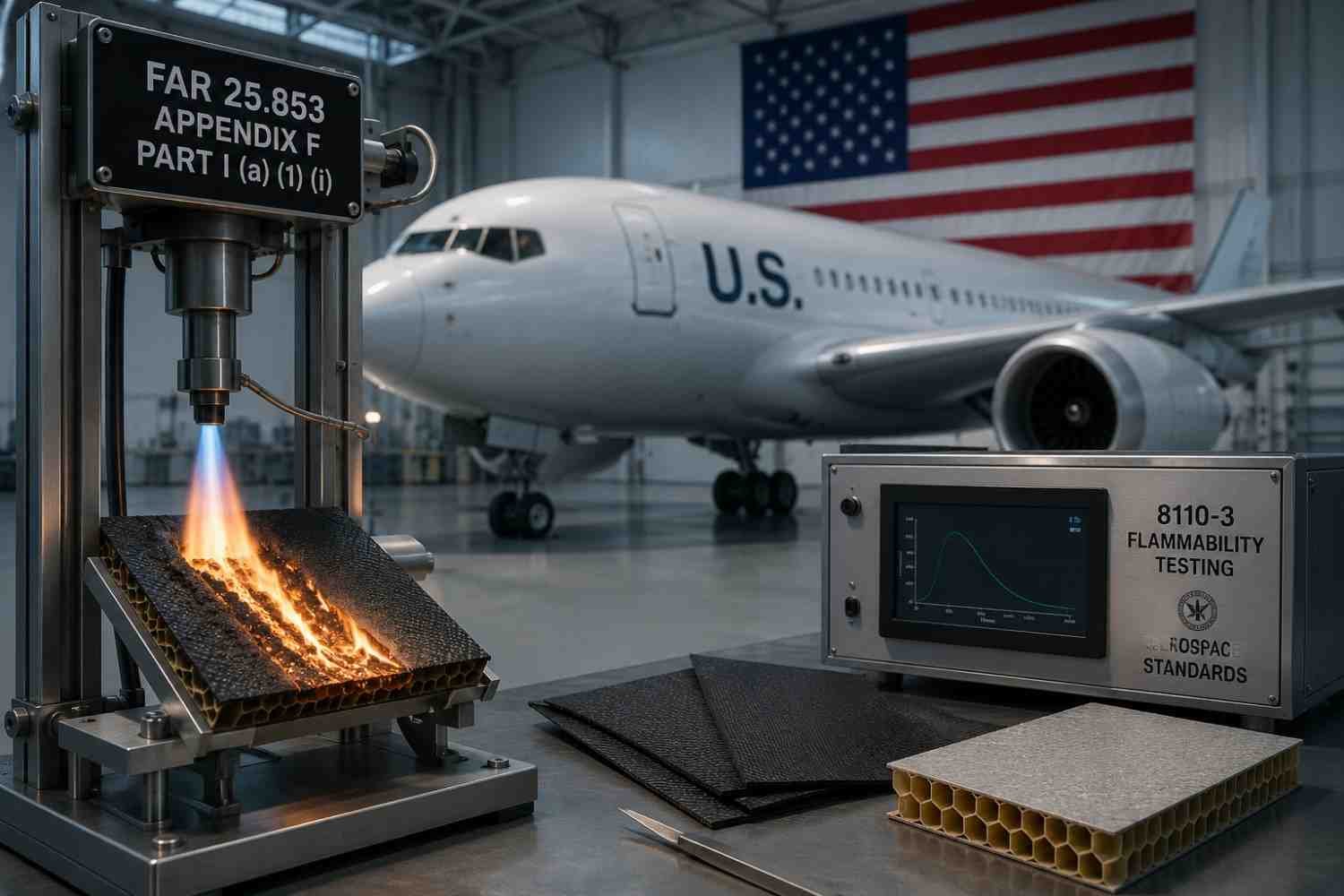
Aircraft safety depends on strict material standards. Every seat cover, wall panel, insulation layer, and cargo liner must face close review before aircraft approval. Fire resistance plays a major part in that process because cabin materials can affect passenger safety during an emergency. Aerospace manufacturers rely on detailed laboratory analysis to confirm that each component meets FAA fire requirements before fleet use.
FAA approval demands accurate records, reliable burn analysis, and clear compliance data. 8110-3 Flammability verification supports that process through certified evaluation methods for aircraft materials and interior components. This article explains how these tests support aerospace manufacturing, material approval, regulatory compliance, and long-term aircraft safety.
FAA Rules Shape Material Approval
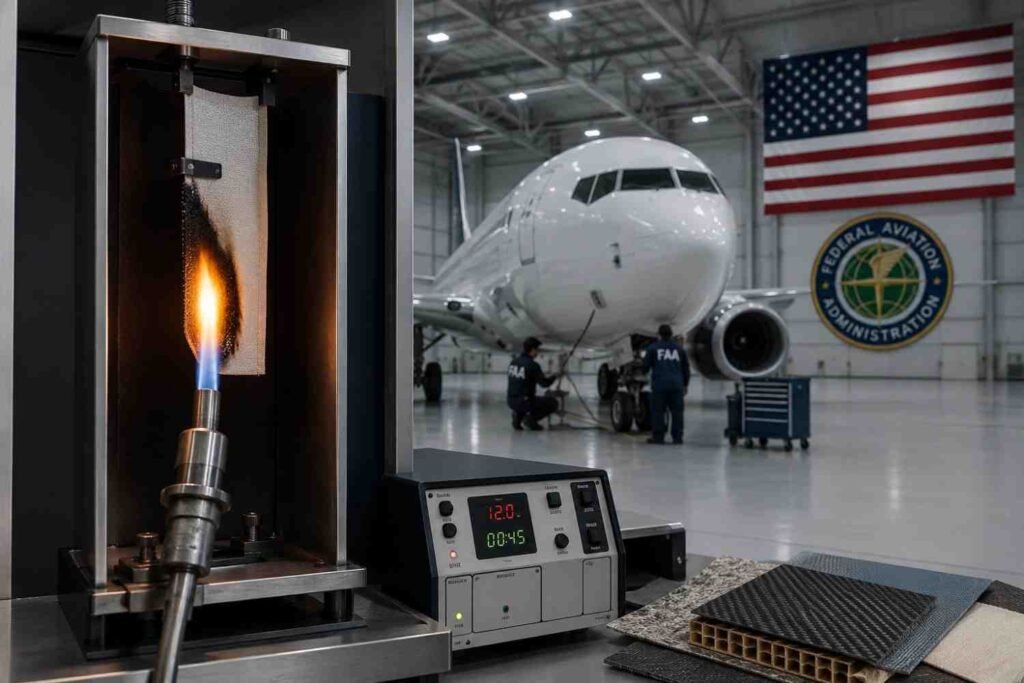
FAA regulations place strict limits on flame spread, smoke release, and heat exposure for aircraft materials. Cabin products must satisfy exact standards before airline installation. Aerospace firms must submit proof that each material meets federal fire safety rules.
Laboratories conduct vertical burn tests, installing artificial turfs, heat release tests, smoke density analysis, and oil burner evaluations to confirm compliance. Certified reports then support approval packages for repairs, retrofits, cabin updates, and new aircraft projects.
Accurate records remain essential during FAA review. A small documentation error can delay aircraft approval and raise project costs. Aerospace manufacturers, therefore, depend on experienced laboratories that provide detailed reports, technical review support, and DER oversight for certification programs. Reliable analysis reduces delays and supports faster project approval.
Interior Materials Demand Fire Resistance
Aircraft cabins contain fabric, foam, carpet, plastic panels, adhesives, and insulation products. Each material reacts differently under heat exposure. Some products resist flames for extended periods, while others release smoke or toxic gases at a rapid rate.
Fire resistance tests help manufacturers identify safe material options before aircraft installation. These evaluations also support better product selection during aircraft refurbishment or cabin redesign projects.
Seat cushions require close review because cabin fires can spread through foam layers under intense heat. Cargo liner systems also face strict fire resistance rules because cargo areas can contain high-risk materials. Heat release analysis and smoke density evaluation help engineers confirm cabin safety standards for commercial and military aircraft alike.
Laboratory Accuracy Supports Aircraft Safety
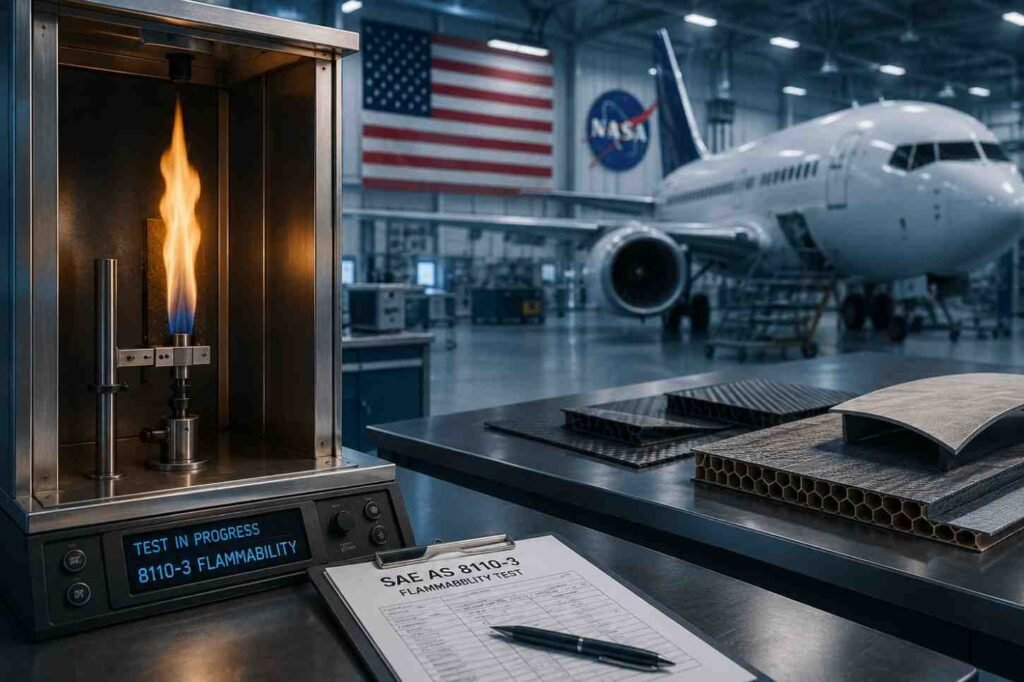
Precise laboratory methods play a major role in aerospace certification. Small differences in sample preparation, flame exposure, or timing can affect final results. Accredited laboratories follow strict procedures to ensure accurate outcomes for every test sample.
Modern aerospace laboratories use advanced heating machine equipment for flame exposure analysis, smoke measurement, and thermal evaluation. Technical specialists review test conditions, calibration records, and sample data before report approval. That level of accuracy helps manufacturers avoid costly retests and compliance setbacks.
FAA certification projects often involve major repairs, supplemental type certificates, and interior upgrades. Laboratories that provide direct certification support help manufacturers complete projects with greater confidence. DER witness services, technical consultation, and approval documentation simplify the certification path for aerospace clients.
Fast Certification Helps Production Goals
Aircraft production schedules depend on reliable certification timelines. Delayed fire analysis can slow interior installation, aircraft delivery, or maintenance projects. Aerospace firms, therefore, seek laboratories that offer rapid turnaround without quality compromise.
Expedited test services support manufacturers that face strict delivery deadlines. Fast report preparation allows engineering teams to continue project work without major interruption. Quick access to certified data also helps maintenance facilities complete aircraft return-to-service projects on schedule.
Some laboratories provide complete support packages that include test plans, backyard staycations report preparation, FAA approval forms, and remote witness options. These services reduce administrative pressure for aerospace manufacturers and maintenance providers. Strong technical support also improves communication during complex certification projects.
Fire safety standards remain a critical part of aerospace manufacturing and aircraft certification. Accurate 8110-3 Flammability analysis helps manufacturers confirm material reliability, protect passenger safety, and meet FAA compliance requirements. Certified laboratory support also reduces approval delays and improves project efficiency across aircraft programs. Strong testing procedures and detailed documentation continue to support safer cabin environments for commercial and military aviation. As aircraft materials evolve, dependable certification services will remain essential for long-term industry progress.