A backyard golf area adds comfort, style, and daily practice value to any home. A smooth putting surface can turn a plain yard into a useful leisure zone for family and guests. Modern turf options now offer clean visuals, steady ball roll, and long service life without the constant care linked to natural grass.
Homeowners often select Artificial Turf for Outdoor Putting Greens due to low water use, neat curb appeal, and reliable play quality. The right surface can suit compact patios, wide lawns, or luxury outdoor layouts. This article covers key facts about turf quality, base prep, drainage, upkeep, and long-term value before any project begins.
Turf Quality Shapes Ball Control
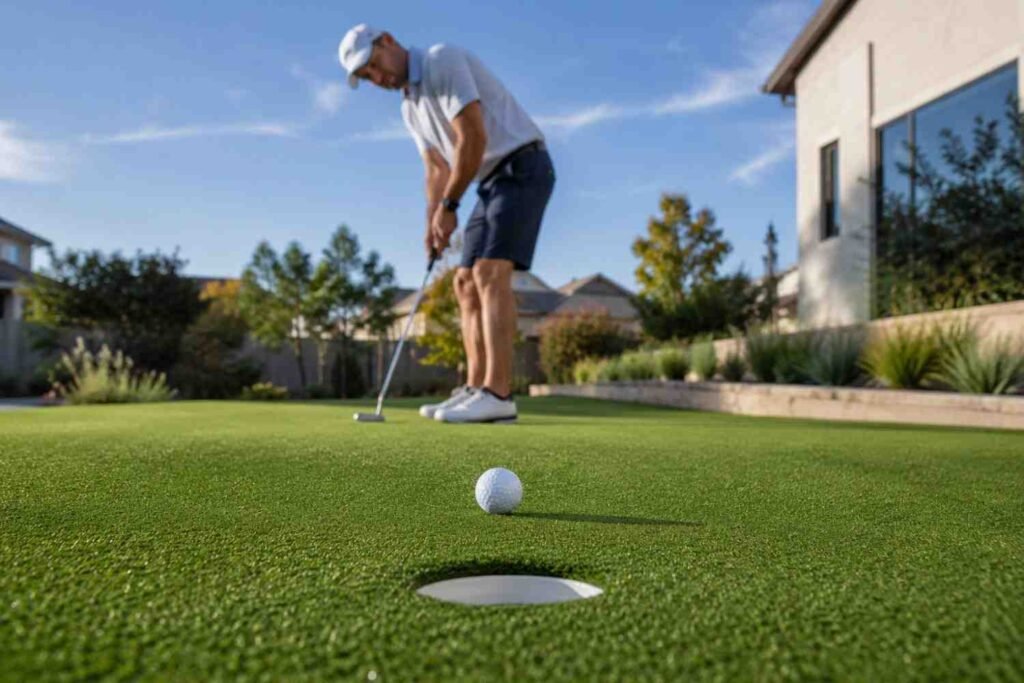
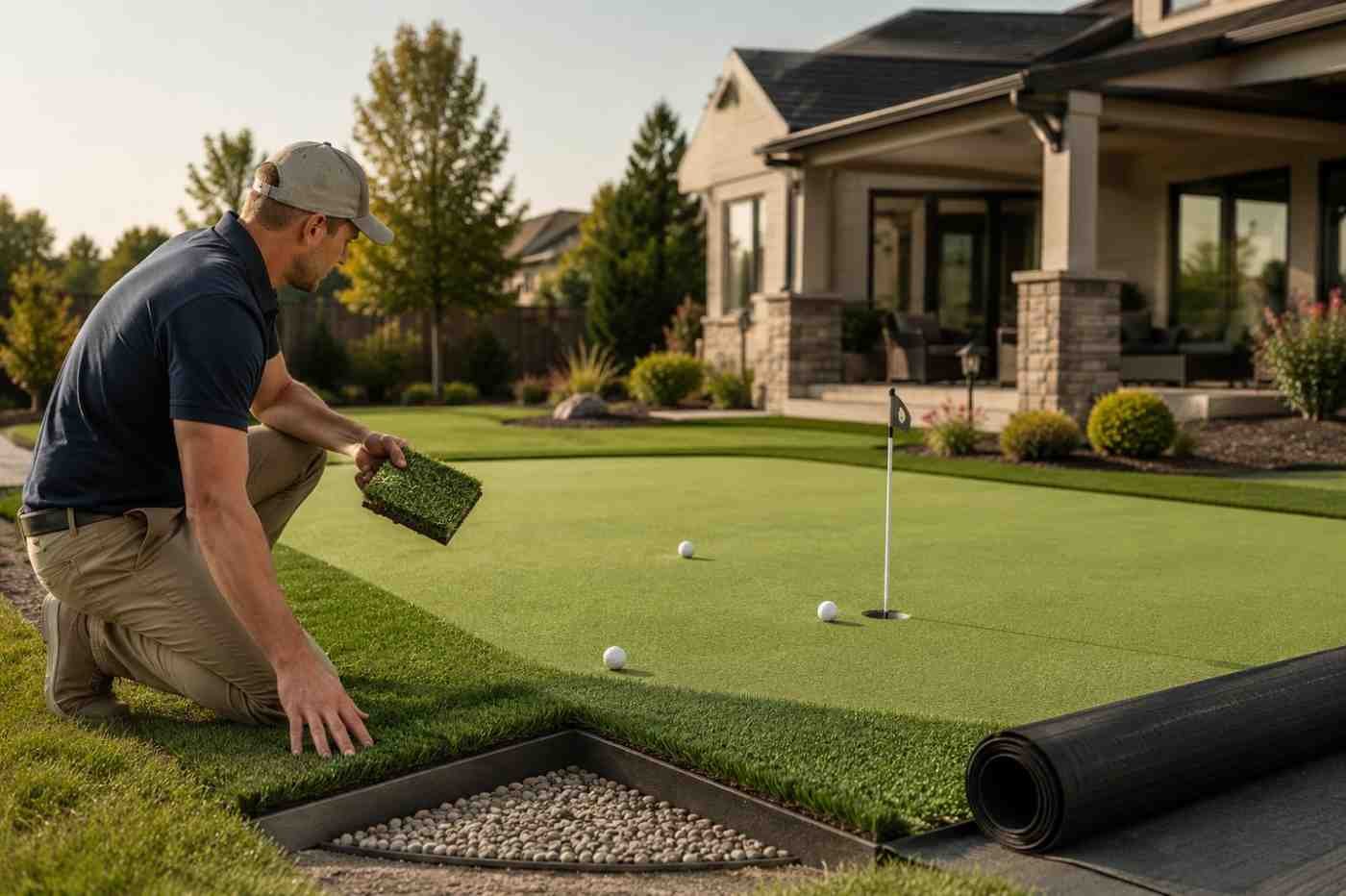
Surface quality has a direct effect on golf practice. Poor turf can cause uneven ball pace and weak shot control. High-grade fibers support a true roll and a neat finish that stays attractive through every season. Pile height matters as well. Short fibers often suit golf use because they create a firm and fast surface.
Dense turf also helps ball response stay consistent. A soft lawn product may look good at first glance, yet it may fail during regular golf use. UV defense deserves close attention, too. Strong sunlight can fade low-grade turf after long heat exposure. Quality materials keep their color depth and surface strength for many years.
Base Prep Supports Surface Life
A stable base helps the turf stay level and secure. Loose soil can lead to dips, waves, and weak drainage after rain. Crushed rock and compact sub-base layers usually create a firm foundation for golf use. Drain flow has equal value. Excess water can damage the area and create surface odor or mold.
A proper base allows rainwater to pass through fast and keeps the area dry after storms. Edge support also deserves care. Strong borders help turf stay neat and prevent corner lift. Stone, metal, or paver edges often pair well with modern landscape plans, especially in properties that already use strategic tree looping landscape management to maintain a balanced and visually cohesive outdoor design.
Yard Size Affects Project Cost
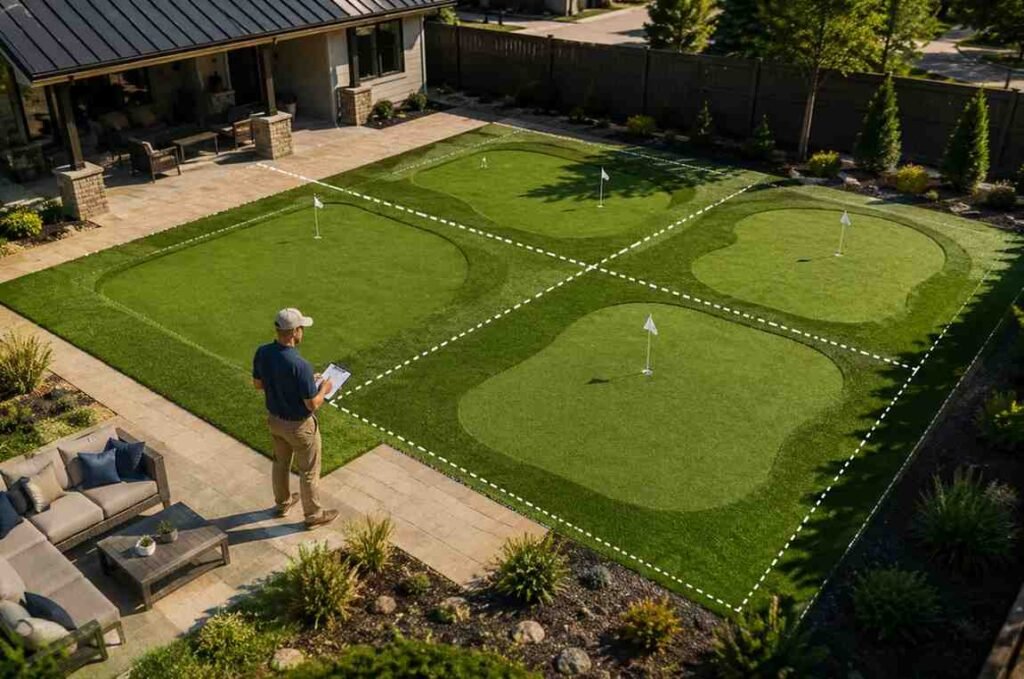
Project cost depends on yard shape, access route, and total square footage. A simple flat zone often costs less than a steep or curved area. Custom cup spots, fringe turf, and bunker features can raise the final total. Material quality affects price, too. Premium turf products cost more at first, yet they often reduce future repair expenses.
Climate Conditions Influence Turf Choice
Local weather should guide turf selection. Hot regions need heat-safe fibers that resist surface fade and excess warmth. Wet areas need strong drainage support and mold resistance. Pet use also matters. Some lawns face heavy foot traffic from pets and children. Durable turf with fast water flow can support daily use without visible wear.
Homeowners who already follow consistent lawn care tips for stronger yard health often find it easier to maintain a clean and visually balanced outdoor space around the putting area. A realistic practice goal helps shape product choice as well. Casual golf fans may prefer a simple green with basic cup zones. Serious players may seek pro-style speed and contour detail for advanced short-game practice.
A well-planned putting green can add beauty, comfort, and daily practice value to any outdoor space. Quality turf, strong base prep, and proper drainage can make a major difference in long-term results. Artificial Turf for Outdoor Putting Greens offers a practical choice for homeowners who want steady performance with less yard care. The right product and expert installation can help create a polished golf area that stays useful, neat, and enjoyable for years.