
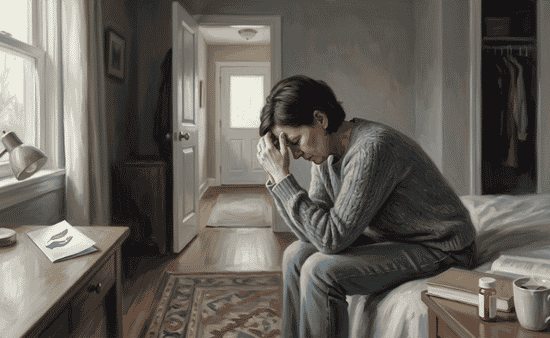
Pain is a universally recognized human experience, yet it remains profoundly subjective. While one person might brush off a minor injury with ease, another might find the exact same sensation entirely debilitating. This discrepancy often comes down to an individual’s unique pain threshold and pain tolerance.
While the threshold is the point at which a sensation is perceived as painful, tolerance is the maximum amount of pain a person can physically or mentally withstand. For those living with a low pain tolerance, navigating daily life presents a hidden set of physical, emotional, and social hurdles that can deeply shape their overall quality of life.
The Physical Toll of Everyday Discomfort
For individuals with heightened sensitivity to pain, the physical world can feel like a minefield of potential discomfort. Minor incidents that most people quickly forget—such as a deep paper cut, a stubbed toe, or a mild tension headache—can trigger an intense, excruciating physical response. This acute sensitivity turns everyday tasks into potential sources of distress.
When chronic conditions like migraines, fibromyalgia, or localized joint stiffness are added to the mix, the daily burden multiplies. Routine movements like carrying heavy grocery bags, climbing multiple flights of stairs, or sitting at a desk for extended periods can cause disproportionate exhaustion and physical strain.
Over time, the constant anticipation of this discomfort can create a protective but limiting cycle, where individuals restrict their movements or avoid physical activities altogether to shield themselves from potential suffering.
The Emotional and Psychological Burden

The impact of a low pain tolerance extends far beyond physical sensations; it deeply influences psychological well-being. Living with easily triggered discomfort is mentally exhausting. One of the greatest challenges is the psychological phenomenon of pain anticipation. The mind becomes highly vigilant, constantly scanning environments for potential sources of injury or discomfort, which keeps the nervous system in a state of chronic stress and anxiety.
Furthermore, because pain cannot be seen, individuals with a low pain tolerance frequently encounter skepticism or dismissal from those around them. When friends, family, or colleagues imply that someone is overreacting or being overly sensitive, it breeds profound feelings of isolation, frustration, and helplessness.
Over time, this lack of validation can erode self-esteem, leading individuals to internalize their struggles and hesitate to speak up or seek help when they truly need it.
Social and Professional Ripple Effects
The combination of physical vulnerability and emotional weariness inevitably spills over into social and professional life. Maintaining a vibrant social calendar requires a baseline of energy and physical comfort that someone with heightened pain sensitivity may struggle to maintain.
Common Causes of Emotional Exhaustion include chronic pain, ongoing stress, lack of quality sleep, and the constant effort required to manage daily responsibilities, all of which can further affect emotional well-being and social engagement.
A busy evening out or an outdoor weekend trip can feel daunting when someone anticipates that factors like long periods of standing, loud environments, or uncomfortable seating could trigger an episode of intense discomfort.
Consequently, people with low pain tolerance may withdraw from social circles, cancel plans at the last minute, or avoid specific networking events. In professional settings, masking discomfort to maintain productivity requires an immense amount of cognitive energy. This can leave individuals feeling completely drained by the end of the workday, leaving little to no resilience for their personal and family lives.
Overcoming the Struggle in Healthcare

Perhaps one of the most critical environments where a low pain tolerance creates a barrier is within healthcare itself. The dread of medical examinations, routine blood draws, or dental work can cause individuals to postpone or completely avoid necessary preventive care. This avoidance often leads to minor, easily treatable health concerns developing into severe, long-term conditions.
Fortunately, modern medical and dental practices have evolved significantly to accommodate individuals with heightened sensitivities. For instance, patients who experience overwhelming anxiety or physical distress during oral procedures can turn to specialized solutions like sedation dentistry in Wasilla.
Options such as nitrous oxide or oral sedatives allow individuals to remain calm, safe, and deeply relaxed during treatments, effectively bridging the gap between severe pain sensitivity and necessary healthcare.
Finding Paths to Relief
Managing a low pain tolerance requires a holistic approach that prioritizes both physical comfort and emotional support. Cognitive behavioral therapy (CBT) has proven highly effective in helping individuals reshape their psychological relationship with pain, reducing the paralyzing effects of anticipation anxiety. Mindfulness, deep breathing exercises, and tailored physical therapy can also condition the body to process stress and discomfort more gently.
Ultimately, raising awareness about the reality of pain sensitivity fosters a more empathetic environment. By acknowledging that pain thresholds are biologically and psychologically distinct, we can ensure that those navigating these hidden struggles receive the validation, accommodation, and compassionate care they deserve to live fulfilling lives.