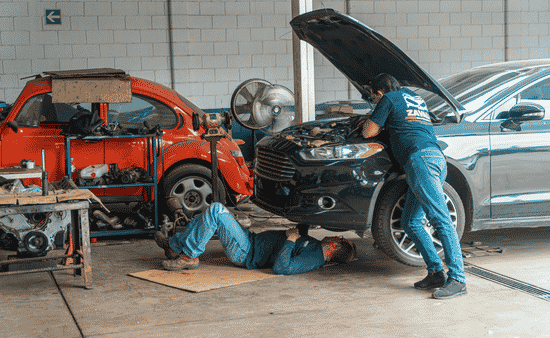
For the vast majority of individuals, a personal vehicle represents one of the most substantial financial investments they will make in their lifetime, second only to primary real estate. Beyond the raw monetary value, a car serves as a vital mechanical lifeline, dictating your ability to commute to work, transport family members safely, and navigate daily logistical responsibilities.
Yet, despite its critical importance, a vehicle is constantly subjected to a relentless environmental assault.
Throughout the changing seasons, cars are exposed to shifting climate hazards: blistering summer ultraviolet (UV) radiation, corrosive winter road salts, heavy spring downpours, and abrasive autumn debris.
Leaving a vehicle entirely unprotected accelerated structural and mechanical degradation, resulting in premature rust, faded paint, and costly component failures. Shielding your mobile asset from year-round depreciation requires a disciplined approach centered on protective detailing, mechanical fluid management, and secure spatial storage.
1. Implement a Seasonal Exterior Decontamination and Wax Cycle
The primary line of defense for your vehicle’s bodywork is its transparent clear coat. This thin, protective paint layer is continuously bombarded by ambient road grime, bird droppings, acidic rain, and industrial fallout. If these microscopic contaminants are left on the surface, they chemically bond with the paint, slowly etching into the coat and leaving the underlying steel vulnerable to oxidization.
To prevent surface decay, drivers should establish a strict quarterly detailing schedule. This process must go past casual automated car washes, which often use abrasive nylon brushes that introduce micro-scratches into the clear coat.
Instead, utilize a dedicated clay-bar treatment to lift embedded mineral contaminants from the pores of the paint, followed by the application of a high-grade synthetic polymer sealant or a ceramic coating. This sacrificial layer acts as an unyielding shield, causing water to bead off cleanly and preventing harsh summer UV rays from breaking down the paint’s molecular pigments.
2. Fortify the Undercarriage Against Corrosive Winter Salts
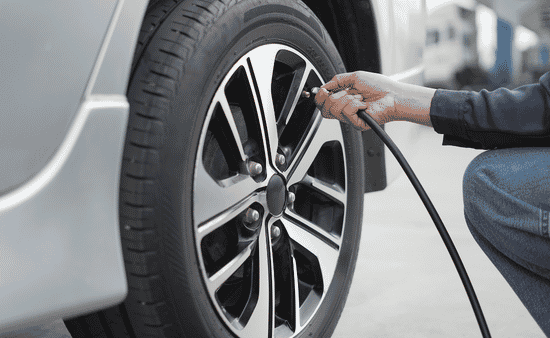
While maintaining a pristine exterior shine is visually satisfying, the most dangerous vehicle degradation occurs completely out of sight beneath the chassis. During freezing winter weather, municipal road crews coat highways with heavy concentrations of rock salt and liquid magnesium chloride to melt ice.
As your tires rotate, they kick this briny slush directly onto bare metal structural components, suspension loops, brake lines, and exhaust connections. Salt acts as an aggressive chemical catalyst that accelerates rust formation, quietly rotting structural frames from the inside out.
Protecting your undercarriage requires executing a thorough freshwater rinse of the vehicle’s bottom every single week during the winter season. Additionally, applying a professional, oil-based rust-proofing undercoating before the first frost provides a durable, moisture-repelling barrier that keeps corrosive salts from directly contacting the vulnerable metal.
3. Secure Premium Environmental Enclosures and Spatial Protection
The absolute most effective way to extend the operational lifespan of a vehicle is to remove it entirely from the external elements when it is not in active use. Leaving a car parked permanently on an exposed driveway or public street subjects the rubber window seals, plastic interior dashboards, and fluid networks to extreme, rapid temperature swings that accelerate material fatigue.
Vehicles parked inside a secure, climate-moderated enclosure experience significantly less wear on their electrical systems, batteries, and rubber components. For homeowners living in regions characterized by intense high-desert climate shifts—where blazing summer sun turns into heavy winter snow loads—optimizing your home’s parking structure is a vital asset-preservation strategy.
When upgrading your home’s defensive envelope, ensuring the mechanical integrity of your primary entry point is essential. Homeowners focusing on home improvement projects frequently audit their residential storage spaces to maximize vehicle safety. Sourcing high-quality garage doors in Ogden allows residents to replace old, uninsulated overhead doors with modern, triple-layer insulated steel barriers.
These advanced doors feature high R-value thermal insulation and airtight weather-stripping perimeters that actively regulate the internal temperature of the garage space. This thermal barrier prevents freezing ambient air from draining your vehicle’s battery overnight, eliminates the humidity spikes that foster structural oxidization, and provides an unyielding physical defense against property crime and accidental hail damage.
While proper storage helps reduce the risk of weather-related damage, every driver should also keep a Car Accident Checklist in their vehicle so they are prepared to handle unexpected emergencies safely and efficiently if an accident occurs.
4. Maintain Fluid Integrity and Thermal Regulation
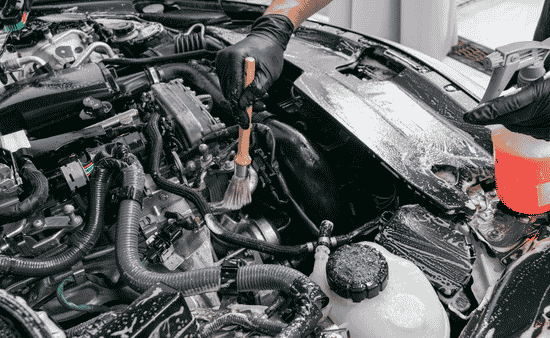
A vehicle is a complex network of moving metal components that rely entirely on clean lubrication and hydraulic pressure to survive. Extreme seasonal temperature variations alter the viscosity and performance of these vital fluids.
To ensure year-round mechanical protection, you must adhere to strict fluid maintenance intervals. During intense summer heat, your engine relies heavily on the cooling system to prevent catastrophic thermal warping; this requires flushing the radiator according to manufacturer specifications and verifying the mixture ratio of your coolant.
Conversely, sub-zero winter temperatures can cause standard engine oil to thicken, restricting oil flow during cold startups and causing severe internal friction. Transitioning to a high-quality synthetic oil with an appropriate winter weight rating ensures rapid engine lubrication the moment the key turns, protecting internal valves and pistons from premature wear.
5. Execute Consistent Battery and Electrical Assessments
Modern vehicles feature dense, complex computing arrays and electrical grids that place immense strain on the 12-volt lead-acid battery. Battery performance drops drastically when subjected to extreme environmental thresholds.
Aggressive summer heat accelerates internal chemical reactions within the battery, causing the internal liquid electrolyte to evaporate and forcing the charging system to overwork. This hidden damage manifests months later when winter temperatures arrive, as cold weather thickens engine oil and demands double the cranking amps to start the vehicle, causing a weakened battery to fail instantaneously.
Drivers should utilize a digital multimeter to test their battery’s voltage output twice a year, ensuring the terminals remain completely free of corrosive acid buildup and verifying that the alternator is charging the system within safe parameters.
Conclusion
Preserving your vehicle in peak mechanical and structural condition throughout the year is an attainable goal that relies on proactive environmental management and consistent maintenance routines. It is a calculated victory achieved by replacing passive driving habits with dedicated paint decontamination, weekly winter undercarriage flushes, secure insulated garage storage, and precise fluid regulation.
By investing the time to systematically shield your car from the shifting hazards of the changing seasons, you actively insulate your financial investment from premature depreciation and mechanical failure. Ensuring that these protective safeguards are woven into your vehicle’s ongoing maintenance rhythm guarantees that your mobile workshop remains a reliable, high-performing, and beautiful asset for decades to come.