
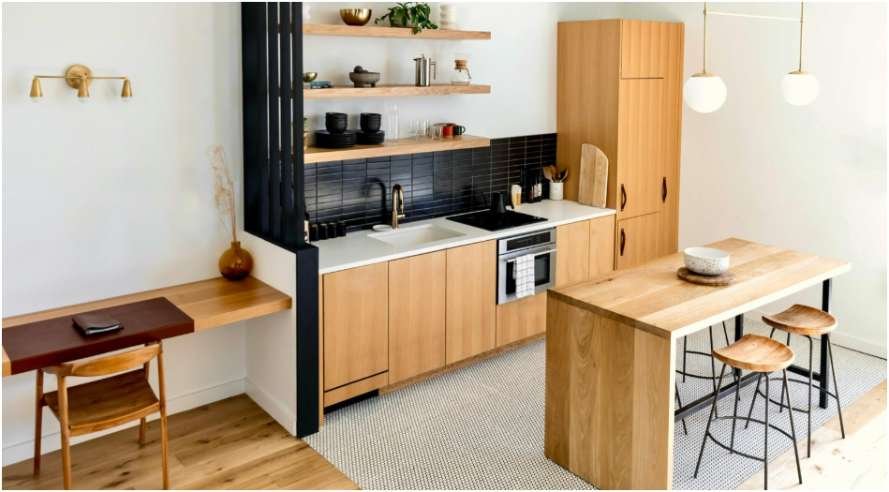
The excitement of moving into a college apartment is unmatched. It represents a major milestone toward independence, offering a personal space to study, socialize, and grow. However, that wave of excitement often comes crashing down when students realize the physical reality of urban or campus housing: square footage is at an absolute premium. Trying to fit textbooks, a seasonal wardrobe, kitchen supplies, and study gear into a tiny studio or shared room can quickly turn an exciting experience into an overwhelming mess.
Living in a cramped environment does more than just create physical clutter; it creates mental clutter. Research consistently shows that disorganized spaces increase stress levels and drain focus—two things a student trying to maintain a high GPA simply cannot afford. When your desk is buried under laundry and your bed doubles as your dining table, finding the motivation to study becomes a steep uphill battle.
The secret to thriving in a micro-apartment isn’t about owning fewer things; it’s about mastering spatial efficiency. Successful students don’t let their square footage limit their lifestyle. By treating their rooms as multi-functional zones and optimizing every hidden inch of space, they build highly organized, stress-free environments perfect for academic success. Here is how they do it.
1. Zoning the Apartment for Specific Activities
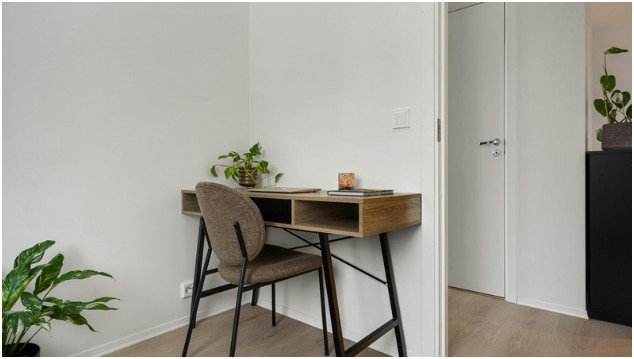
When you live in a single small room, your activities naturally begin to bleed into one another. You might find yourself reading a textbook in bed, eating dinner at your desk, or scrolling through your phone where you are supposed to study. This lack of boundaries confuses your brain, making it difficult to focus when you need to work and hard to fall asleep when you need to rest.
To combat this, organized students create distinct “zones” within their small apartments, even if those zones are only separated by a few feet. Use an area rug to visually anchor a study corner, a specific lamp to signal downtime, or a folding screen to hide your workspace at night. By training your mind to associate specific physical areas with specific habits, you instantly boost your productivity and improve your sleep hygiene.
2. Investing in Multi-Functional, Transforming Furniture
In a tiny apartment, traditional furniture is a luxury you cannot afford. Every piece of furniture you bring across the threshold must earn its keep by serving more than one purpose. Pieces like storage ottomans that double as seating, or nesting tables that slide away when not in use, are staples of organized student living.
When it comes to maximizing a shared living or sleeping area, the ultimate space-saving hack is a dual-purpose sleep system. Integrating a sleek sofa Murphy bed into a studio apartment allows students to have a comfortable, stylish couch for daytime socializing or group study sessions, which easily transforms into a premium mattress at night. This eliminates the massive footprint of a traditional bed, instantly opening up the floor plan and making the apartment feel twice as large during the day.
3. Exploiting Hidden Vertical and Under-Bed Space
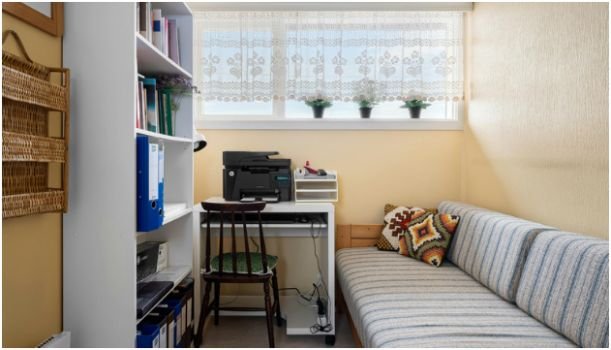
When floor space runs out, the only place left to go is up. Most students leave the upper halves of their walls completely bare, missing out on valuable storage real estate. Installing floating shelves above a desk or bed provides a perfect home for heavy textbooks, binders, and storage baskets, keeping them off your primary surfaces.
Don’t overlook the space beneath your furniture either. If your bed frame isn’t a wall-bed model, elevate it with inexpensive bed risers to create a deep repository hidden from sight. Use long, shallow plastic bins with wheels to store out-of-season clothing, extra linens in the best fabric choices, or sports equipment. By keeping these bulkier items tucked beneath the bed, you free up prime closet space for the things you actually use on a daily basis.
4. Implementing the “One-In, One-Out” Rule
Physical accumulation is the silent enemy of small-space organization. It is incredibly easy to accumulate free campus t-shirts, duplicate kitchen utensils from roommates, and stacks of paper handouts over the course of a single semester. Without a strict filtering system, clutter will inevitably take over your apartment.
Disciplined students maintain order by practicing the “one-in, one-out” rule. If you buy a new pair of shoes, you must donate an old pair. If you pick up a new desk organizer, an old, broken binder must go in the recycling. This simple habit forces you to evaluate your purchases mindfully and ensures that your total inventory of belongings never exceeds the storage capacity of your apartment, with smart home upgrades to stay organized.
5. Digitizing the Academic Workflow
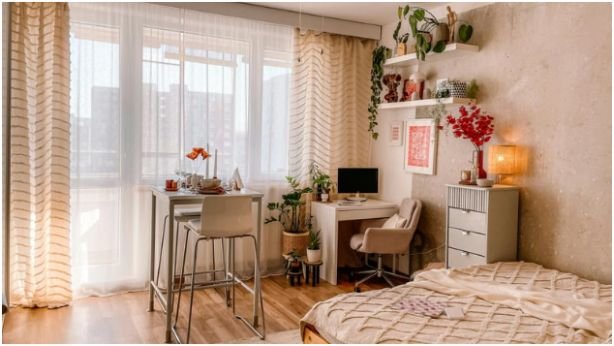
Gone are the days when being a good student meant carrying around three-inch binders for every class and hoarding stacks of notebook paper. Physical paper is one of the fastest-growing sources of clutter in a student apartment, quickly overtaking desks, kitchen counters, and nightstands.
Modern organizations rely heavily on a digital-first approach. Utilize high-quality document scanning apps to turn syllabus sheets, project rubrics, and paper articles into PDFs instantly. Store your notes in cloud-based platforms like Notion, OneNote, or Google Drive, and opt for digital textbooks whenever possible. By shifting your academic life onto your laptop or tablet, you eliminate visual clutter entirely and ensure your study materials are accessible wherever you go.
Conclusion
Living in a small apartment doesn’t mean your college experience has to feel cramped, stressful, or disorganized. It simply requires you to look at your physical environment through a lens of creativity and efficiency.
By clearly defining your living zones, choosing smart furniture solutions like a transforming couch-bed, utilizing vertical wall space, and keeping your digital life streamlined, you can transform the smallest studio into a peaceful, highly productive haven. Your apartment should serve as a launchpad for your academic success, not an obstacle. With these intentional habits in place, you can spend less time fighting the clutter and more time focusing on what truly matters: making memories and preparing for your future.