
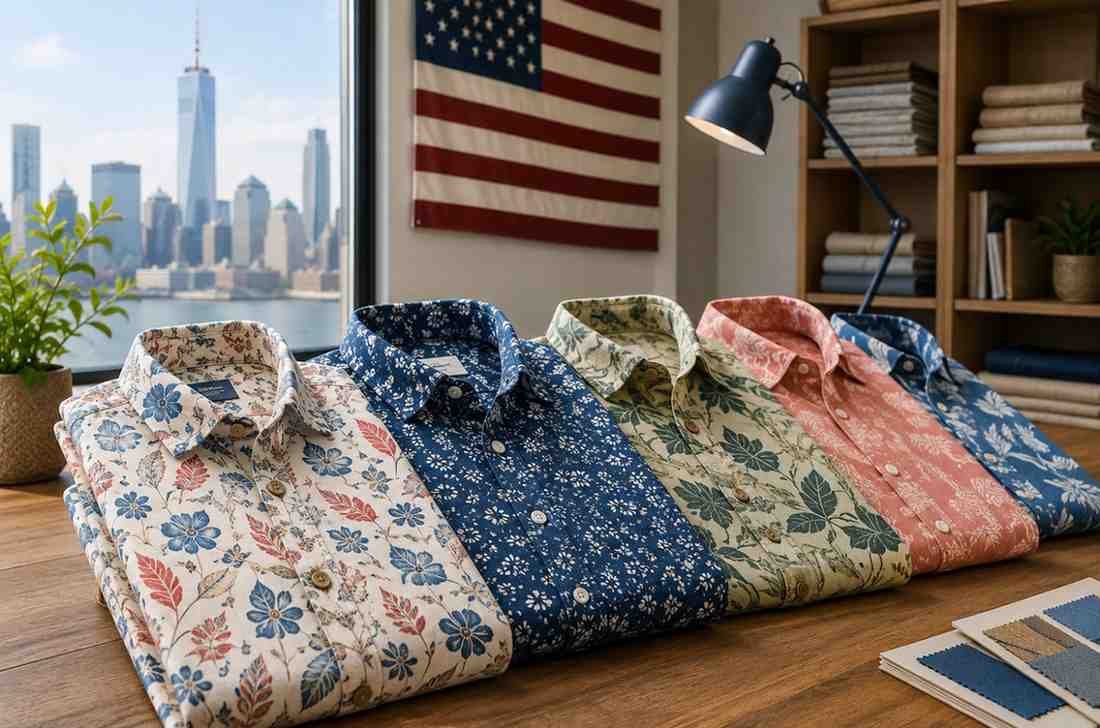
A printed shirt can lose its shape and color much faster than expected when the wrong fabric is used. Some materials fade quickly after washing, while others stretch or crack around printed areas within weeks. Fabric choice plays a major role in how comfortable, durable, and visually sharp a shirt remains after repeated use. This article explains which fabrics work best for printed shirts, how certain materials affect print quality, and which fabric types support stronger results for long-lasting apparel orders.
Cotton Shirts Hold Prints Better
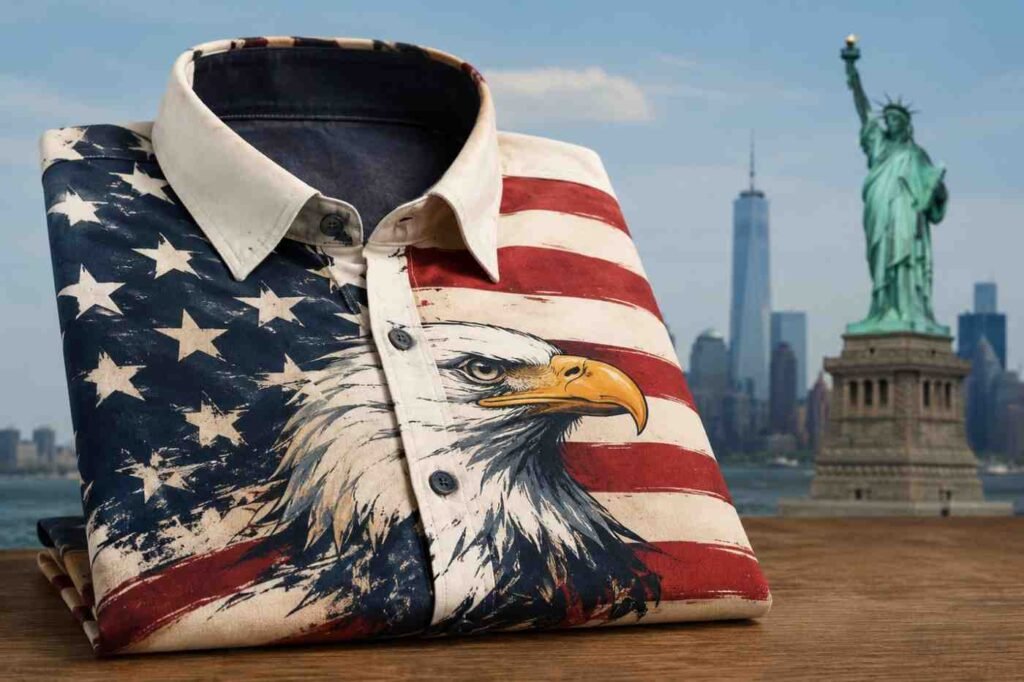
Cotton remains one of the most trusted fabric choices for printed shirts because it absorbs ink cleanly and feels comfortable during daily wear. Many people interested in custom t-shirt printing choose cotton because the material supports sharper designs and stronger color visibility. Ringspun cotton also creates a smoother surface that improves print detail on logos and graphics.
Popular cotton options include:
- Ringspun cotton shirts
- Heavyweight cotton fabric
- Soft combed cotton styles
- Organic cotton blends
Cotton shirts also stay breathable during warmer weather and casual outdoor use.
Polyester Blends Suit Sportswear Better
Polyester blends work well for athletic shirts because the material resists wrinkles and dries quickly after washing. These fabrics usually feel lighter than heavier cotton options and maintain shape during frequent use. Athletic prints also remain flexible on polyester blends when suitable print methods are selected.
Fabric blends help reduce shrinking while keeping shirts comfortable during movement and outdoor activities. Many performance shirts combine cotton and polyester to create a balance between softness and durability. This combination also supports cleaner print placement across larger graphics and sleeve designs.
Heavyweight Fabrics Support Larger Prints
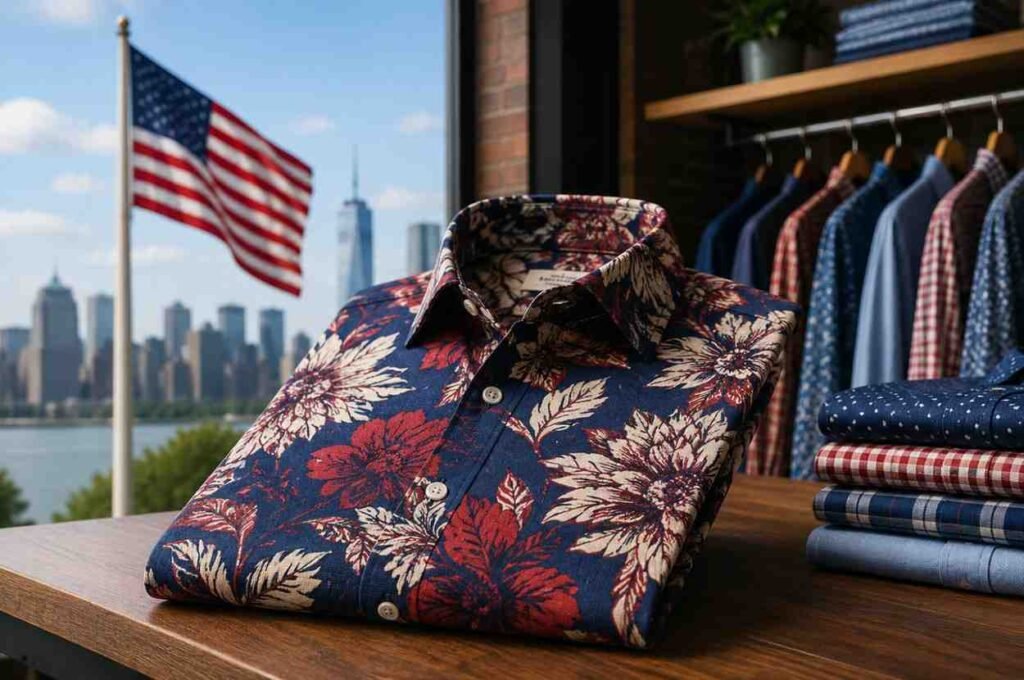
Fabric thickness affects how long printed shirts maintain their structure and appearance after repeated use. Lightweight shirts feel softer and cooler, though thinner material may wear out faster after several wash cycles. Heavyweight shirts create a stronger feel that supports larger graphics and detailed artwork more effectively.
Helpful fabric checks include:
- Compare fabric weight before ordering
- Check softness after sample washing
- Review stitching around collars and sleeves
- Confirm shrink resistance levels clearly
Buyers usually notice better print durability when stronger fabrics support the printing process properly.
Tri Blend Fabrics Create Softer Shirts
Tri-blend fabrics combine cotton, polyester, and rayon to create softer and lighter shirts for casual wear. These materials support smoother vintage-style graphics and how to choose relaxed oversized fits. Many people choose tri-blend shirts for lightweight comfort, flexible movement, and softer printed designs that feel comfortable throughout daily use.
Eco-Friendly Fabrics Gain More Attention
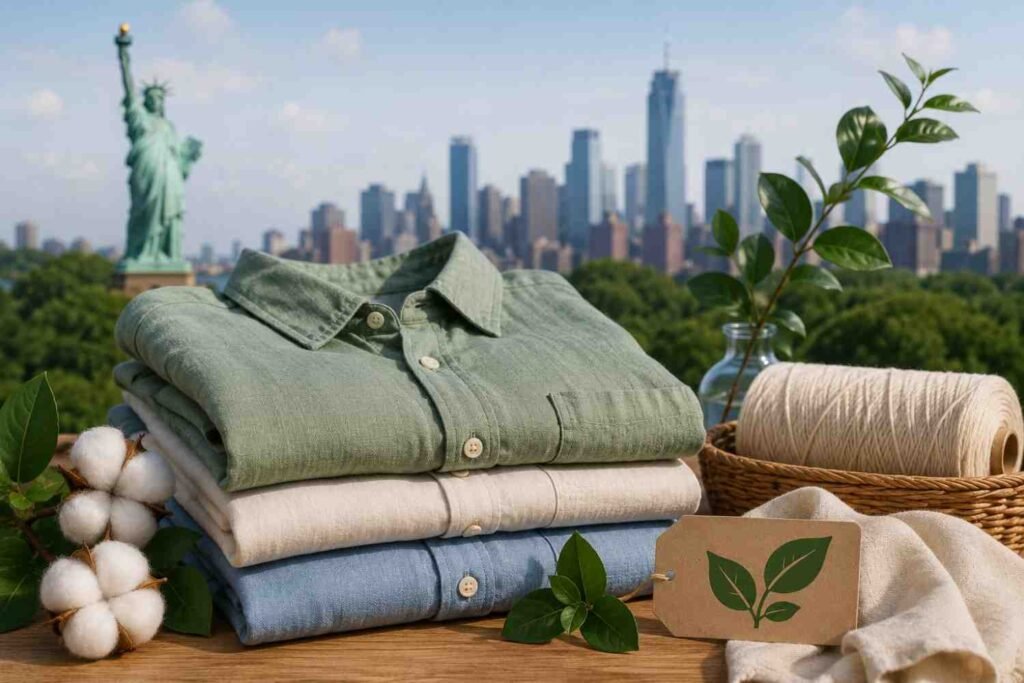
Eco-friendly fabrics continue to attract buyers who prefer softer materials with a more natural feel. Organic cotton and recycled fabric blends usually create comfortable shirts and best practices that still support strong print quality. Many suppliers now include eco-friendly shirt choices for brands that want cleaner and more responsible apparel options.
Reliable Suppliers Help Fabric Quality Stay Consistent
A dependable supplier can help buyers avoid weak fabrics, inconsistent sizing, and fading print results after production. Experienced apparel printers usually explain which materials work best for certain print styles and shirt types. Many buyers prefer custom t-shirt printing providers that offer fabric samples and design proofs because those steps reduce unexpected quality issues later.
Printed shirts maintain better appearance when fabrics match the intended use and print style correctly. Cotton remains reliable for everyday graphics, while polyester blends support activewear and performance apparel. Heavyweight fabrics improve durability, and tri-blend materials create softer, casual shirts with a relaxed texture. Fabric quality also influences comfort, shrink resistance, and print clarity after repeated washing. Avoid common mistakes and careful preparation before customized t-shirt printing can help shirts remain durable, visually sharp, and comfortable for much longer.