
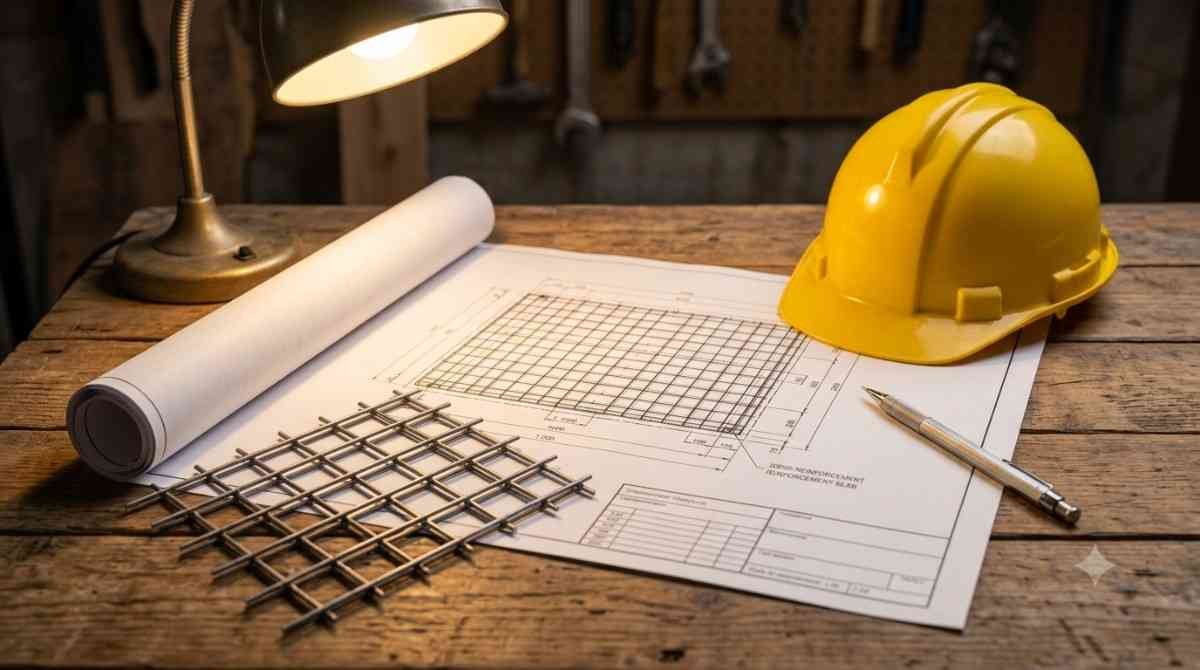
Concrete is one of the most widely used materials in construction due to its strength, durability, and versatility. However, while it performs exceptionally well under compression, plain concrete has limited tensile strength. To overcome this limitation and enhance its structural integrity, concrete reinforcement techniques are employed. Among these, concrete reinforcement mesh is a highly effective solution that offers numerous benefits in various construction applications.
Understanding Concrete Reinforcement Mesh
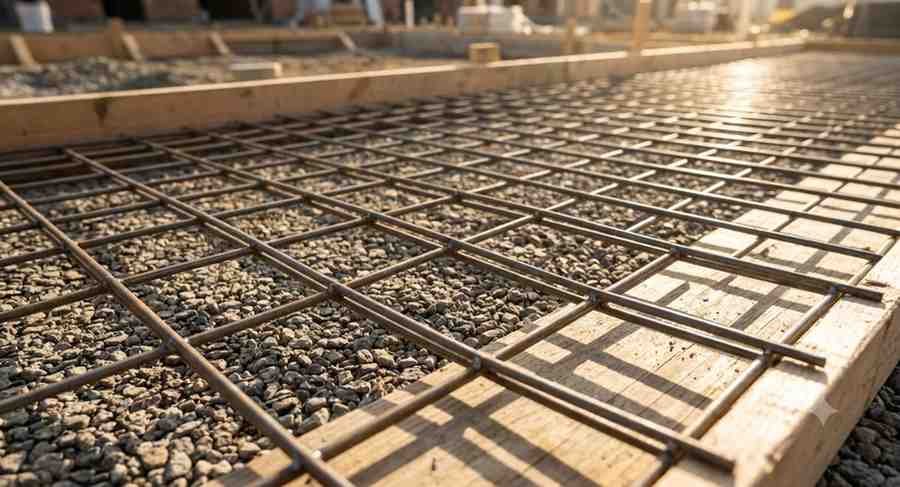
Concrete reinforcement mesh consists of a grid of steel wires arranged in a lattice pattern, designed to improve the structural performance of concrete elements. The mesh is embedded within the concrete to provide additional tensile strength, helping to prevent cracking and structural failure. Available in various sizes and thicknesses, the mesh is tailored to meet the specific needs of different projects.
Reinforcement mesh plays a critical role in maintaining the durability and longevity of concrete structures. It is commonly used in slabs, walls, driveways, pavements, and other structural applications to enhance load-bearing capacity and increase resistance to environmental stress.
Enhanced Structural Strength
One of the primary advantages of using concrete reinforcement mesh is the significant improvement in structural strength. The steel wires distribute loads more evenly and provide greater resistance to tensile forces that plain concrete cannot withstand effectively. This reinforcement reduces the risks of cracking and helps the concrete maintain its integrity under heavy or shifting loads.
Improved Crack Control
Concrete inevitably experiences shrinkage during the curing process, which can lead to cracking. Reinforcement mesh acts as a containment system that holds the concrete together and controls the width of these cracks. By limiting crack formation, it prevents water ingress and other environmental factors from compromising the structure’s durability.
Better Load Distribution
The mesh ensures that stresses within a concrete element are evenly distributed across the surface area. This is especially important in large slabs and surfaces exposed to varying or heavy loads, such as car parks and industrial floors. As a result, structural failures due to localised stress points can be minimised, extending the service life of the structure.
Cost-Effectiveness
Although reinforcement mesh adds to initial construction costs, it provides substantial long-term savings. Enhanced durability reduces the need for frequent repairs and maintenance. Moreover, using mesh can allow for thinner slabs without sacrificing strength, potentially reducing the amount of concrete required. This balance between upfront investment and project longevity makes reinforcement mesh an economical choice for many construction projects.
Ease of Installation
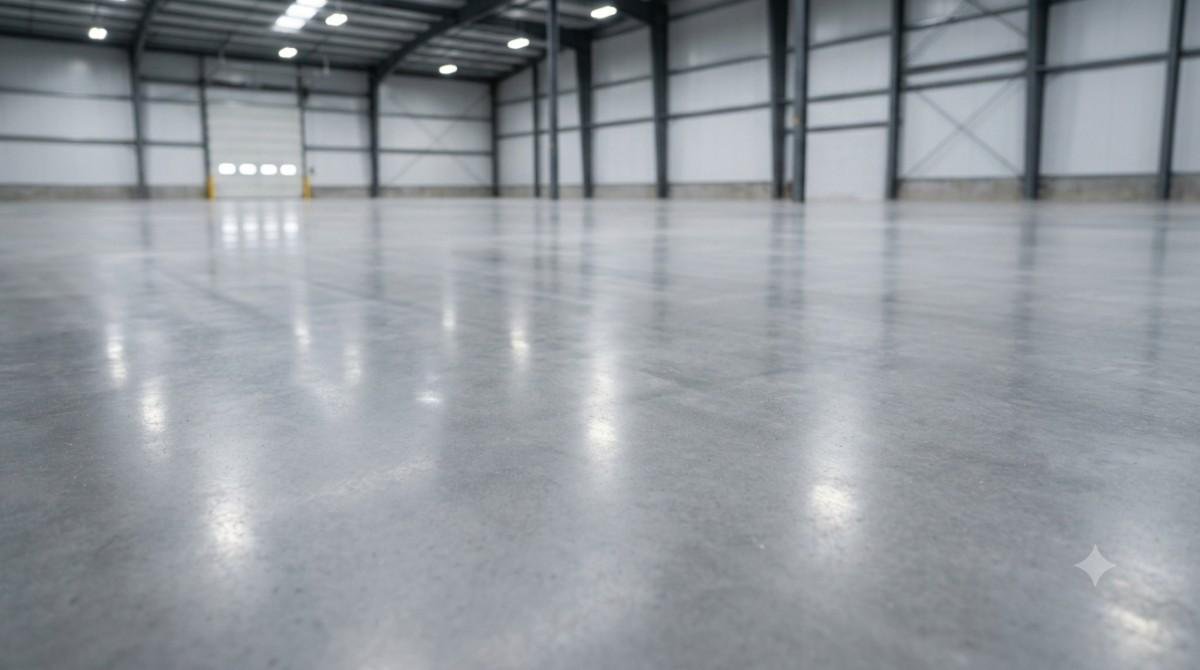
Concrete reinforcement mesh is prefabricated, which simplifies and accelerates the installation process on site. The mesh is delivered in rolls or panels that can be cut to size and placed quickly within formwork. This reduces labour time and costs, leading to more efficient project completion.
Improved Safety and Compliance
Using reinforcement mesh ensures that concrete structures meet rigorous safety standards and building codes. Compliance with these requirements is essential to ensure the safety of occupants and the public, as well as to avoid future liability. Reinforced concrete is less prone to sudden failure, contributing to the overall resilience of the built environment.
Resistance to Environmental Stress
In addition to load stresses, concrete structures are subjected to environmental influences such as temperature changes, moisture, and chemical exposure. Reinforcement mesh helps concrete withstand these conditions by controlling crack formation and maintaining overall stability. This is particularly important in regions with harsh climates or in structures exposed to chemicals, such as wastewater treatment plants.
Versatility Across Applications
Concrete reinforcement mesh is suitable for a wide range of construction projects, from residential buildings to large-scale infrastructure works. Its adaptability makes it a preferred reinforcement method for foundations, floors, retaining walls, and precast elements. The variety of mesh sizes and wire thicknesses enables engineers and contractors to select the most appropriate option for their specific structural requirements.
Environmental Benefits
Reinforced concrete tends to have a longer lifespan, reducing the need for rebuilding and decreasing resource consumption over time. By extending service life, concrete reinforcement mesh indirectly contributes to sustainability efforts in the construction industry. The ability to use thinner concrete slabs with mesh also means less raw material is required, further minimising environmental impact.
Reduced Risk of Structural Failure
Reinforced concrete made with mesh reduces the likelihood of sudden collapse under unexpected loads or conditions. This is vital for infrastructure such as bridges, parking structures, and high-rise buildings, where safety is paramount. The added protection from reinforcement mesh provides peace of mind for engineers, builders, and occupants.
Compatibility with Other Construction Materials
Concrete reinforcement mesh can be used in combination with other reinforcement methods, such as rebar and fibres, to achieve specific structural goals and shape commercial real estate markets. This flexibility allows for innovative engineering solutions tailored to complex designs and challenging environments.
Maintenance and Inspection Advantages
Structures constructed with reinforced concrete are generally easier to inspect for damage and maintain. The presence of reinforcement mesh helps in identifying areas prone to cracking and deterioration early, allowing timely interventions that prevent costly repairs. Routine maintenance is more straightforward, contributing to the overall efficiency of managing the built asset.
Summary
Incorporating concrete reinforcement mesh in construction projects offers multiple benefits, including enhanced structural strength, improved crack control, better load distribution, and increased durability. Its adaptability and ease of installation make it a practical and cost-effective choice for building robust concrete structures. Furthermore, the use of reinforcement mesh contributes to safety compliance and environmental sustainability, making it an essential component in modern construction practices.
For contractors and engineers seeking a reliable material to reinforce concrete elements, concrete reinforcement mesh remains a proven and trusted solution, supported by extensive applications across the building and infrastructure sectors.