
If you have a drug test coming up (for employment, legal, sports, etc.), you’ve probably heard that there’s a chance of getting a positive result, even if you know that you haven’t consumed any of the substances that are going to be tested.
While they do not happen often, false positives (or actual positives from non-drug sources) do happen. The good news is that you can talk to the MRO (medical review officer) at the testing facility and clear things up. But the situation can get uncomfortable, and it can lead to a stricter confirmatory test. And no one likes to be put on the spot.
Let’s talk about the everyday products that can score a false positive on a drug test, and the possibility of getting a real positive without prior use of illicit substances.
How a Test Gets It Wrong To Begin With
Screening tests use technology called immunoassay. This testing method, while reliable, cannot tell exactly how much of a substance is in your system. And, to make things even more confusing, substances with similar molecular shape can trigger the reaction, leading to something we call cross-reactivity.
This is how certain foods and medications lead to a positive screening drug test result.
But, on the positive side (pun not intended), if this happens, a confirmatory test will rule out cross-reactivity as the source of that positive result. This second step is done using GC-MS technology that also looks for signs of contaminants that lead to a false positive drug test result.
For a fuller picture of how drug testing actually works, it’s crucial to understand this two-step process before you get anxious about liking poppy seed bagels.
The False Positives

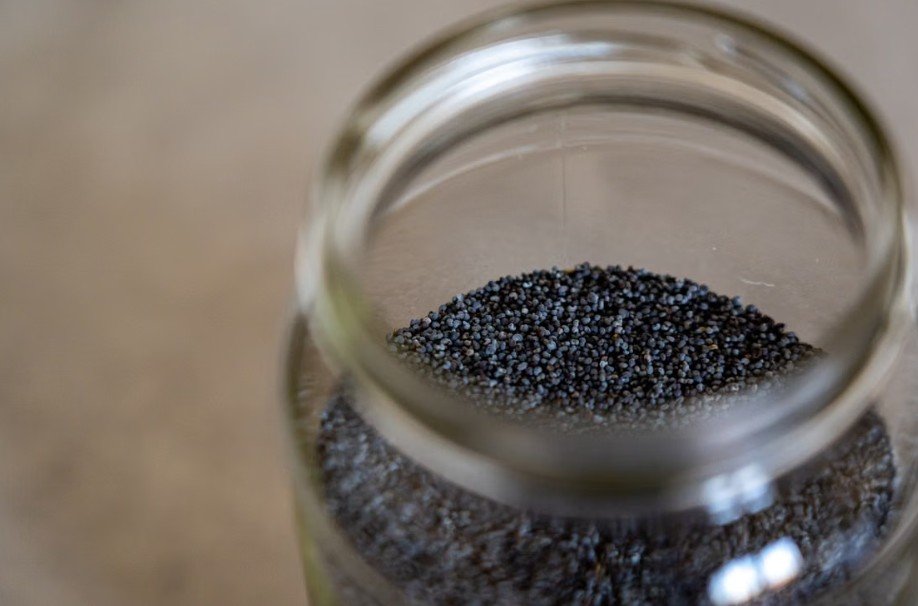
Speaking of – the biggest and most well-known false-positive culprit is poppy seeds. The seeds come from opium poppy, and each little seed carries a trace amount of naturally occurring opiates (on the side of being delicious). And the truth is – poppy seeds can cause a false positive test for morphine, which is an opioid.
Everyday eating habits have evolved as family kitchens have changed over time, introducing a wider variety of seeds, specialty foods, supplements, and other products into regular diets.
In a controlled study, participants ate measured doses of poppy seeds, which led to a spike in morphine levels above the standard cutoff of a urine drug test.
Another small, but still real, chance of cross-reactivity (in this case as THC) is OTC medications like ibuprofen and naproxen. Even though modern tests are mostly engineered to rule these out, there still is a chance that they will give a false positive result on a urine drug test.
No matter the source (food or medication), it’s a smart move to disclose you ate or used them to the MRO when the results come in.
The Actual (yet accidental) Positives
Now, some products are known to cause actual positives, even though you weren’t using that specific drug-of-abuse.
We are talking about CBD products. While CBD’s status is legal in most places (as long as it does not contain THC), legal full-spectrum CBD oils, hemp seed food, and items in that bracket may still contain up to 0.3% THC.
With regular use, that THC can build up, especially in people with higher body-fat percentages. Research from Johns Hopkins found that people using CBD products caused a positive urine drug test. But the results varied with different people, since THC metabolism is individual.
If you use hemp-based and/or CBD products regularly, you can check yourself with a standard-cutoff 50 ng/ml at-home urine drug test, and see where you stand before the official test day comes.
What To Do If It Happens To You

If you realized that you may be at risk of ringing a false positive (or an actual accidental positive), the situation is not dire.
Preparation can also mean paying closer attention to your everyday diet and routine. Just as you might plan what to eat before early-morning training, knowing what you consume before an important screening can help you clearly explain your normal food and supplement habits if questions arise.
One thing you should do is talk with the MRO and tell them that you may be at risk. Disclose that you are consuming foods with poppy regularly, or that you use legal CBD/hemp products as a part of your life routine. As a bonus, if you use prescription medication of any kind, make sure to tell them and provide the necessary documentation for it.
This may not save you from a confirmatory test, but it will remove the suspicion that comes with it. And, last but not least, it will save you from undeserved anxiety on the day of the test and the upcoming days of waiting for the results to come back.
While Rare, False Positives Still Happen
Everyone’s metabolism is unique. Lifestyle choices, body-fat percentage, age, stress – everything counts.
And while the risk of getting a false positive from medication is pretty low, CBD products and poppy seeds, to a degree, pose a real risk. So, be prepared, but don’t panic, because the confirmatory test technology is on your side.