
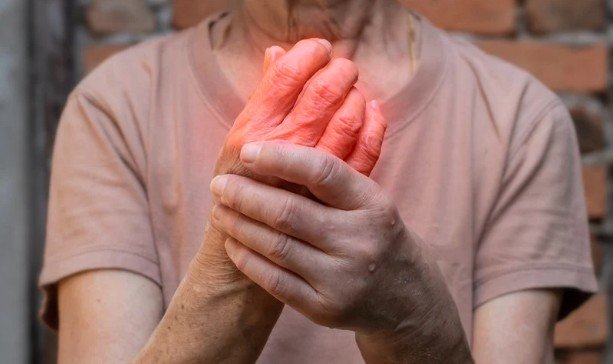
Living with a chronic rheumatic condition means navigating unexpected cycles of comfort and discomfort. For many individuals, a rheumatic flare can strike with little warning, turning a manageable baseline into a period of intense joint stiffness, swelling, and systemic fatigue.
When a flare occurs, the immediate priority is calming the hyperactive immune response and protecting the joints from acute inflammation. Implementing targeted, fast-acting strategies can help minimize discomfort and accelerate the return to a stable state.
Immediate Physical Interventions for Joint Pain
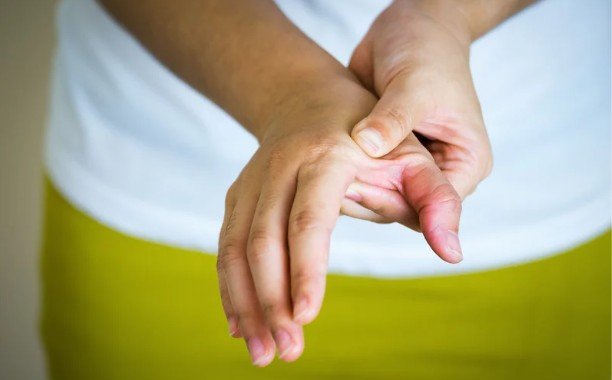
When joints become visibly swollen and hot to the touch, immediate physical therapy techniques can provide significant localized relief. Altering the temperature of the affected area is one of the fastest ways to modulate pain signals.
Utilizing Cold and Heat Therapy
Cold application is highly effective during the acute stage of a flare. Applying an ice pack wrapped in a thin towel to a swollen joint causes blood vessels to constrict, which directly reduces fluid accumulation and numbs sharp pain. Limit ice sessions to twenty minutes at a time to protect the skin. Conversely, if a flare presents primarily as severe stiffness rather than hot swelling, gentle heat from a warm bath or a heating pad can relax surrounding muscles and improve joint mobility.
Prioritizing Joint Offloading and Rest
Continuing to push through severe joint pain can worsen mechanical damage and prolong the inflammatory cycle. During a major flare, resting the compromised joints is essential. Utilizing temporary supportive braces, splints, or walking aids reduces the weight-bearing burden on vulnerable structures, allowing the initial inflammatory surge to quiet down safely.
Nutritional and Hydration Strategies
What you put into your body during a flare can either fuel systemic inflammation or help suppress it. Making conscious dietary adjustments during an acute episode supports cellular healing.
Maximizing Anti-Inflammatory Fluids
Dehydration can exacerbate joint pain by reducing the lubrication within the synovial fluid that cushions your joints. Drinking plenty of pure water helps flush out cellular waste products. Additionally, incorporating herbal teas rich in polyphenols, such as green tea or ginger root infusions, provides the body with natural antioxidants that assist in downregulating inflammatory pathways.
Eliminating Inflammatory Triggers
During a symptomatic spike, it is prudent to strictly eliminate foods that promote oxidative stress. Refined sugars, highly processed snacks, trans fats, and excessive alcohol can trigger a rise in pro-inflammatory cytokines. Focusing instead on clean, whole foods like leafy greens and wild-caught fish helps create a more favorable internal environment for recovery.
Mind-Body Techniques to Lower Cortisol

Implementing Controlled Breathing
When pain causes anxiety, your breathing naturally becomes shallow, which activates a fight-or-flight response. Practicing diaphragmatic breathing, where you take slow, deep breaths into your abdomen, stimulates the vagus nerve. This physiological shift lowers your heart rate and signals the body to reduce the production of stress hormones, helping to blunt the severity of the flare.
Practicing Gentle Range-of-Motion Movements
While strenuous exercise must be avoided during a flare, absolute immobility can actually cause joints to freeze and become more painful. Engaging in very gentle, non-weight-bearing range-of-motion stretches preserves flexibility without putting stress on the connective tissues.
Establishing Long-Term Clinical Support
While at-home management strategies are critical for immediate comfort, recurring flares require a comprehensive medical approach. Adjusting therapeutic regimens, monitoring inflammatory markers, and utilizing advanced clinical treatments ensure that joint structures remain protected over time.
For individuals seeking expert guidance to better manage these unpredictable cycles, partnering with a specialized arthritis and rheumatic care center in Lake Forest can provide the precise diagnostic tools and personalized treatment plans required to achieve long-term remission.
Successfully navigating a rheumatic flare involves recognizing early warning signs and acting quickly. By combining immediate physical relief, stress reduction, and professional clinical care, you can effectively manage inflammation and regain control over your joint health.