
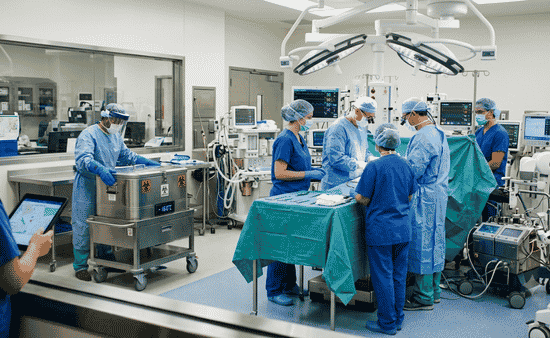
Organ transplantation represents one of the most complex and high-stakes fields in modern medicine. For patients and their families facing end-stage organ failure, choosing a transplant center is a deeply profound decision rooted entirely in trust.
A world-class transplant center is not defined merely by the skill of its primary surgeons, but by a sophisticated, interconnected ecosystem designed to safeguard human lives. To evaluate what sets an elite institution apart, we must examine the core elements that build a trusted transplant center.
Multidisciplinary Clinical Expertise
At the heart of any trusted transplant center is its human capital. Successful transplantation requires seamless, highly coordinated collaboration across a wide spectrum of medical specialties.
A patient’s journey involves not just a transplant surgeon, but a dedicated committee including nephrologists, hepatologists, cardiologists, immunologists, transplant coordinators, and specialized intensive care nurses.
This multidisciplinary approach ensures that each patient receives a highly individualized pre-operative evaluation and a meticulous post-operative management plan. Elite centers foster a culture of continuous learning and clinical research, ensuring that their staff is well-versed in the latest surgical techniques, immunosuppressive therapies, and rejection prevention strategies.
Rigorous Patient Safety and Infrastructure

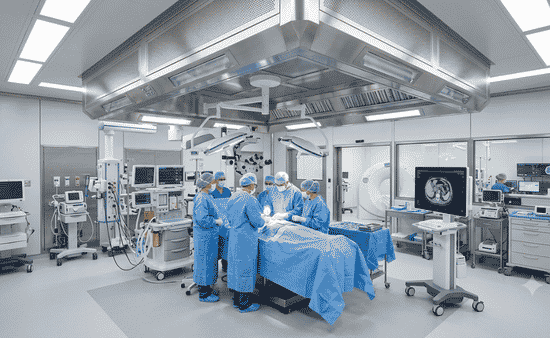
The physical and administrative infrastructure of a transplant facility must adhere to the highest standards of safety and regulatory compliance. Operating rooms must be equipped with advanced laminar airflow systems to minimize infection risks, and state-of-the-art diagnostic imaging must be available for real-time surgical guidance.
Furthermore, trusted centers maintain robust internal safety protocols that exceed baseline national requirements. This includes stringent screening processes for both living and deceased donors, advanced histocompatibility testing to minimize rejection risks, and comprehensive emergency preparedness plans.
Redundant power systems and specialized backup protocols ensure that life-saving equipment and patient monitoring systems remain fully operational under any adverse circumstances.
Advanced Preservation and Logistics Infrastructure
The viability of an organ or tissue is heavily dependent on time and temperature. Therefore, world-class transplant centers rely on a flawless logistical network. The window between organ retrieval and transplantation is incredibly narrow, requiring precision tracking and highly specialized transport environments.
In modern transplant medicine—particularly concerning bone marrow, stem cells, and specialized tissue grafts—the integration of cryogenic shipping has become indispensable. Utilizing ultra-low temperature storage solutions and real-time digital data loggers ensures that cellular integrity is preserved across vast distances.
Whether moving solid organs via dedicated air freight or transporting cellular therapies through advanced cryogenic shipping methods, a trusted center must possess an unyielding cold chain management system. Continuous temperature monitoring and geolocation tracking allow logistics teams to intervene proactively, ensuring that the biological material arrives in optimal clinical condition.
Comprehensive Patient Support Systems
The transplant journey does not end when the patient leaves the operating room; it is a lifelong commitment. Trusted centers recognize that the emotional, psychological, and financial stress associated with an organ transplant can heavily impact long-term patient outcomes.
An elite facility provides comprehensive support infrastructure, including dedicated social workers, financial coordinators, and mental health professionals. The Importance of Routine in Mental Health Care Treatment is also recognized, as consistent counseling schedules, structured care plans, and regular follow-up appointments help reduce stress, promote emotional stability, and improve overall patient well-being throughout the treatment journey.
They offer robust patient education programs to help recipients navigate complex post-transplant medication regimens, dietary restrictions, and lifestyle adjustments. Furthermore, peer support networks and specialized physical rehabilitation services help patients transition back into normal life safely and confidently.
Long-Term Follow-Up and Outcome Transparency
A transparent center is a trusted center. Elite institutions actively track and publish their long-term survival rates and patient outcomes, contributing clean data to international medical registries. They utilize centralized Electronic Health Records (EHR) to maintain seamless communication during decades of follow-up care.
By continually reviewing clinical data and conducting internal quality audits, these facilities identify areas for optimization, driving down complication rates and improving the lifetime expectancy of transplant recipients. This dedication to long-term vigilance ensures that patients remain protected long after their initial surgical recovery.
Conclusion
A trusted transplant center is a harmonious blend of elite medical talent, uncompromising physical infrastructure, cutting-edge logistics, and deep human empathy. By prioritizing everything from advanced cryogenic shipping for cellular materials to comprehensive long-term patient support, these centers transform a complex medical procedure into a beacon of hope and renewed life.