
Storms in Leon Valley can turn a quiet afternoon into a roof concern within minutes. Tile roofs handle Texas heat well, yet hail can crack edges, loosen fasteners, or expose the underlayment beneath.
Small breaks may look harmless from the ground, while hidden moisture paths can spread damage after the next rain.
Professional roofers approach hail repair with patience and proper documentation. The goal is to restore strength without disturbing sound tiles or creating new weak spots.
A careful repair plan helps homeowners protect curb appeal, indoor comfort, and long-term property value. For better clarity, please read this article.
1. Detailed Roof Inspection and Damage Documentation in Leon Valley
A trusted roofing company in Leon Valley usually starts with a full inspection before repair. Roofers check the tile field, ridges, valleys, flashing, vents, gutters, and exterior surfaces for storm impact clues. Photos, notes, and measurements create a clear report that supports repair planning during an insurance claim.
2. Careful Replacement of Cracked or Broken Tiles
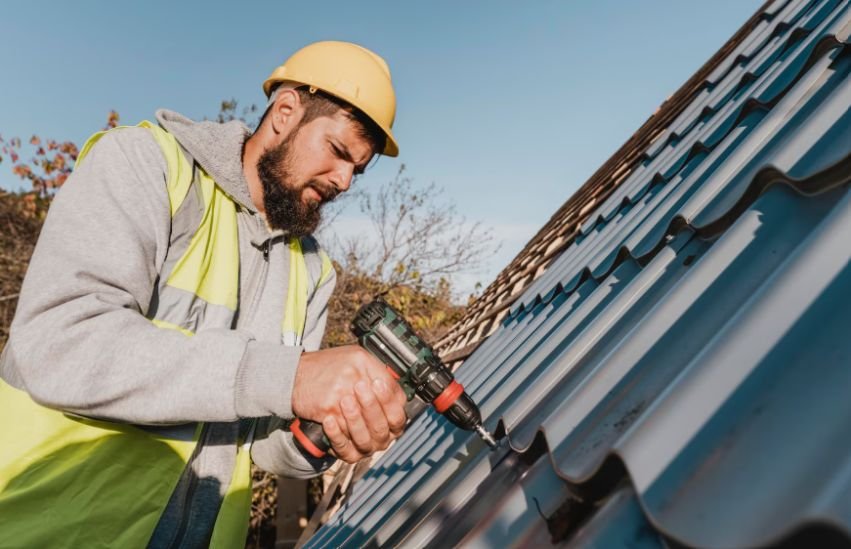
Tile repair requires a gentle hand because surrounding pieces can break during removal. Roofers lift affected tiles, release fasteners or adhesive, and slide in matching replacements that fit the profile properly.
Common tile repair steps include:
- Removal of shattered pieces without scraping the underlayment.
- Inspection of battens and waterproof layers below the tile.
- Installation of compatible clay or cement tiles with proper overlap.
- Securement of ridge tiles with approved mortar, foam, or mechanical fastening.
This targeted method keeps the roof’s original character intact. It prevents broad tear-offs when damage affects select slopes.
3. Underlayment and Flashing Repairs Beneath the Surface

Hail can damage more than the visible tile. Once roofers open a broken section, they look for punctured underlayment, loose flashing, rusted metal, or trapped debris near valleys and penetrations.
Repair work may include:
- Patching or replacing torn waterproof underlayment in affected areas.
- Reseating flashing around chimneys, vents, skylights, and walls.
- Sealing exposed nail holes with roofing-grade products.
- Clearing valleys so rainwater can move away cleanly.
These hidden repairs matter because tile sheds water, while the underlayment acts as a second defense. A neat surface means little if moisture can travel underneath during a heavy Leon Valley storm.
4. Insurance Claim Support and Scope Review
Storm repairs can feel confusing when homeowners face adjuster visits, estimates, and policy language. Experienced roofers help organize evidence, explain the repair scope, and meet with the insurance adjuster when needed.
Their inspection report can show hail strikes, cracked tiles, collateral damage, plus cost gaps in an initial estimate.
Homeowners comparing repair and replacement decisions after severe weather can also learn from guides on roof replacement for storm-damaged homes, especially when damage affects multiple roof areas and insurance documentation becomes important.
A roofing company in Leon Valley can also separate retail repair pricing from insurance-related restoration costs. That guidance helps homeowners understand materials, labor, timelines, and payment flow. Clear written scopes reduce surprises once materials arrive and crews begin work.
5. Final Quality Check and Preventive Recommendations

Professional roofers finish with a roof walk, cleanup, and final review of repaired sections. They verify tile alignment, fastening, flashing seals, plus drainage paths before calling the work complete. Homeowners may receive photos that show what was repaired and why it mattered.
Good roofers may suggest gutter service, tree trimming, or routine inspections after major storms.
Before scheduling repair work, homeowners can also check on the steps to take before roof contractors arrive so the property is prepared, access is clear, and the repair process moves smoothly. These steps help spot cracked tiles early and keep water away from vulnerable roof edges.
Homeowners in Leon Valley should treat hail-damaged tile roofs with care, not guesswork. Skilled roofers combine inspection, precise repair, and documentation to protect the home. Prompt attention after a storm can preserve the roof’s beauty, strength, and service life.