
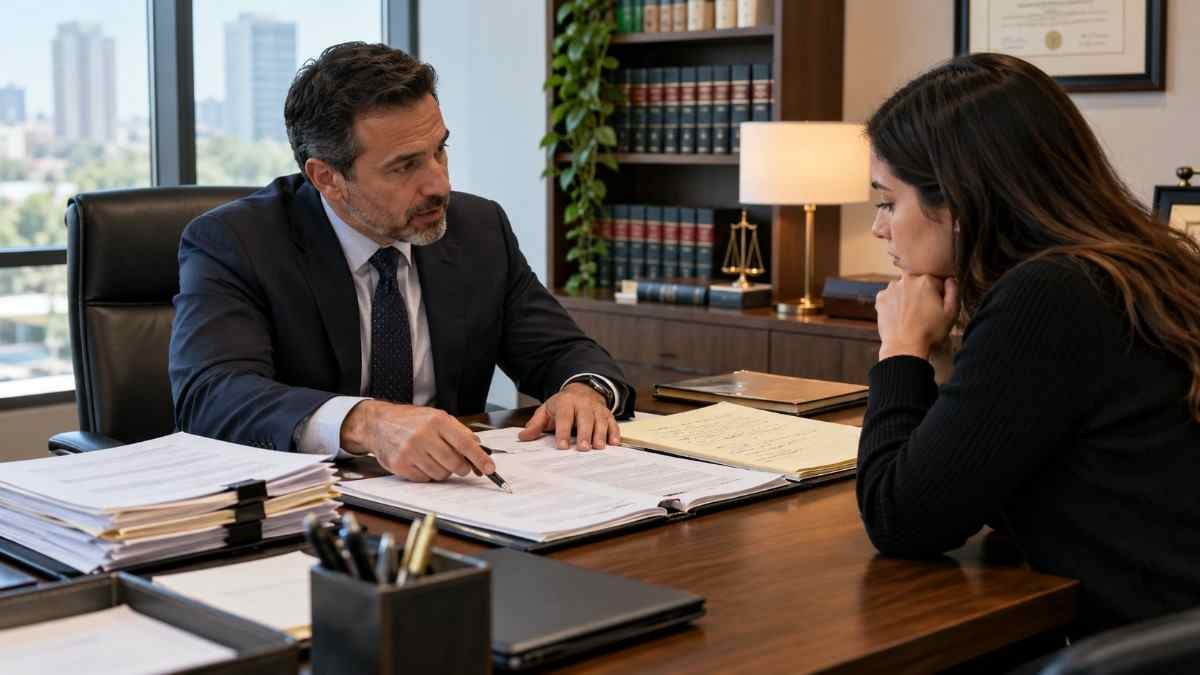
A criminal defense consultation should help you understand the attorney’s proposed role, the immediate issues, and what information is needed next. The meeting is not a test of how convincingly you can tell your story. Clear facts and complete documents are more useful than a rehearsed argument.
Bring charging papers, release conditions, hearing notices, and relevant correspondence when available. Tell the attorney about approaching dates at the beginning. Avoid discussing case details publicly or contacting other involved people to improve your preparation; ask counsel what communication is appropriate.
Evaluate The Explanation Rather Than A Promise
Ask about experience with matters like yours, who would handle the work, and how the attorney approaches early evaluation. A useful answer acknowledges uncertainty and explains what further records or investigation may be needed. No responsible comparison can be reduced to a guaranteed outcome.
Searching for the best criminal defense attorney in Utah may produce many claims, but your decision should rest on verified credentials, relevant experience, communication, and a clear engagement agreement. Ask how fees relate to the proposed scope and what stages may require additional arrangements. Leave the consultation knowing whether representation has begun and what you need to do next, especially if deadlines or release obligations require immediate attention.
Prepare questions that reveal how the attorney would communicate during the early stages. Ask who reviews new paperwork, how you would learn about a hearing, and what to do if you receive a notice directly. Clear communication matters when the client is unfamiliar with the process and may not recognize the significance of a document.
You can also ask how the lawyer would identify the information needed for an initial assessment. The answer should describe a process without pretending that the case can be resolved from a brief conversation. Keep the engagement terms and immediate instructions together. If you choose another lawyer, make sure any transition and approaching dates are handled explicitly.
Organize Facts Without Trying To Decide The Law
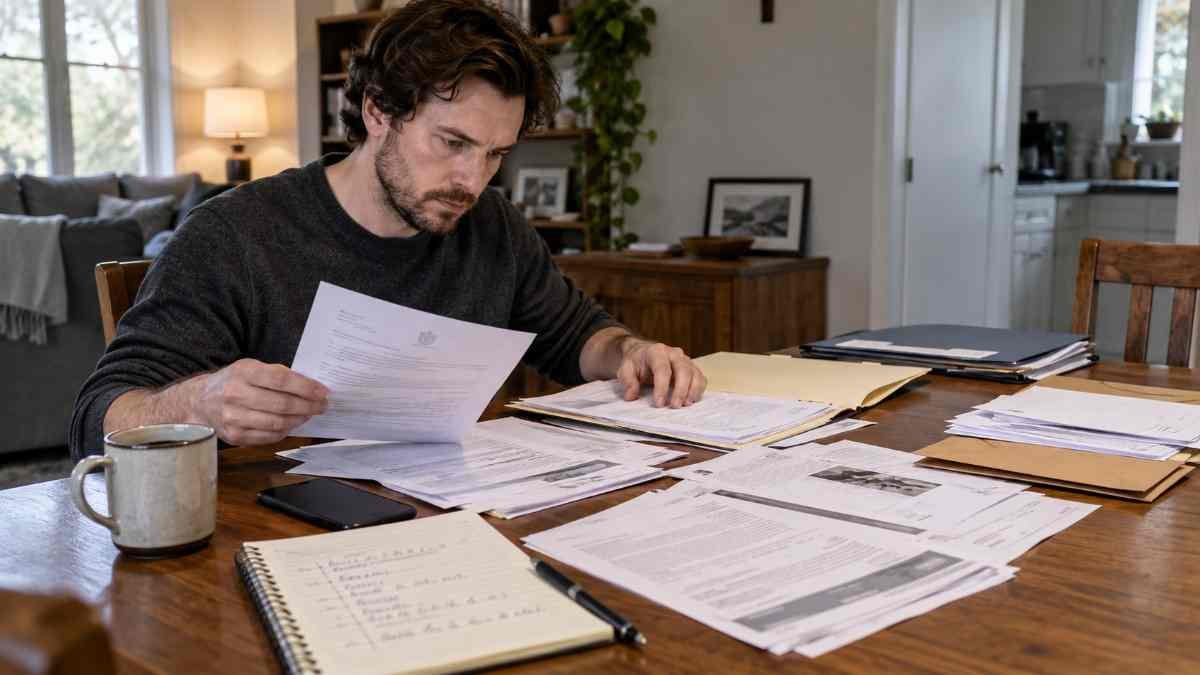
Create a short timeline using dates you can verify. Keep original documents, notices, messages, and envelopes when they may be relevant. Distinguish what you personally know from information someone else reported. If you are unsure about a date or detail, mark the uncertainty rather than guessing.
Do not alter or delete potentially relevant records. Ask the lawyer how materials should be preserved and delivered securely. A consultation is more useful when the attorney can identify missing information and urgent issues from an organized set of facts. You do not need to arrive with a legal theory or a perfectly written narrative. Recognizing serious signs you need a criminal defense lawyer can also help prioritize legal guidance.
Clarify The Working Relationship
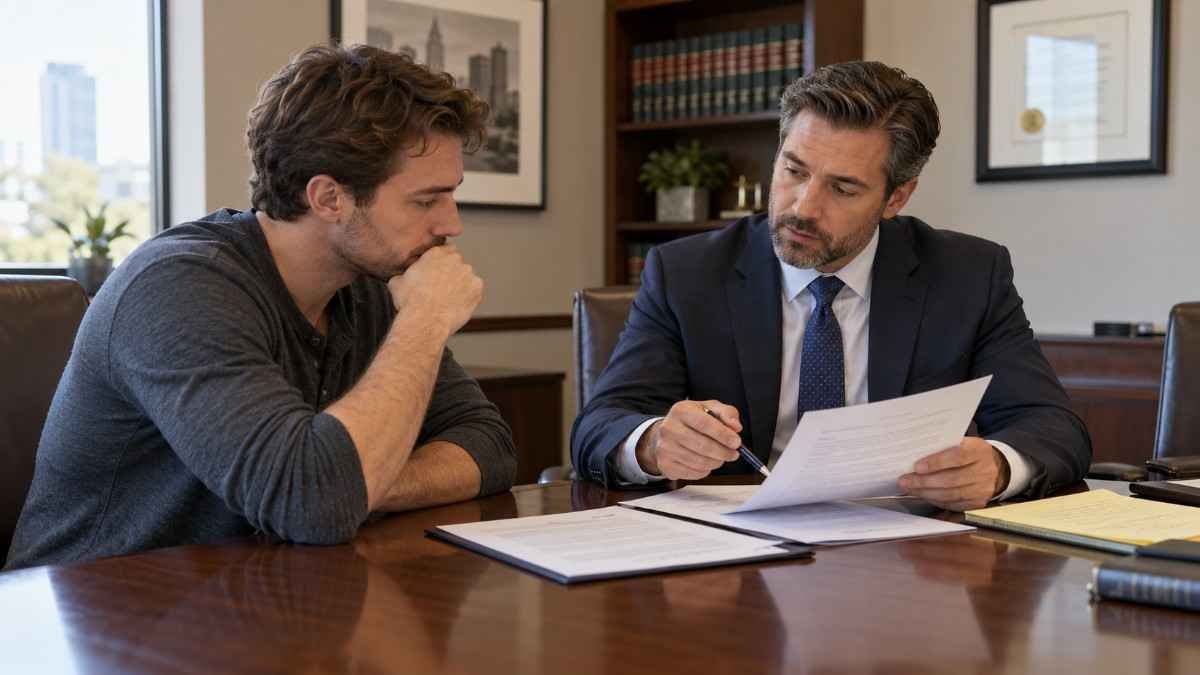
Ask what the consultation covers, whether there is a fee, and what would be required to begin representation. Meeting an attorney does not necessarily mean the firm has accepted the matter. Confirm who will handle the work, who will communicate with you, and how urgent questions should be raised.
Request a written explanation of fees and the proposed scope before hiring. Different arrangements may cover different stages or tasks. Ask what expenses could arise separately and what happens if the matter changes. Understanding those boundaries helps you compare options without assuming that every quoted fee includes the same services.
Questions That Make The Meeting Useful
- Are there deadlines or immediate steps I need to address?
- What additional records would help you evaluate the situation?
- Which options may be available, and what remains uncertain?
- What work would your representation include?
- How will we communicate about developments and costs?
Confirm The Next Action
Before leaving, identify which steps you should take, which the lawyer would handle if retained, and which require more information. Put known deadlines on your calendar, but verify them with counsel rather than relying on a general article or an informal estimate.
Be cautious about promises of a particular outcome. Legal matters depend on facts, applicable law, procedural requirements, and decisions by other parties or the court. A useful consultation explains possible paths and their limitations. Keep the engagement agreement and follow-up instructions together so you can return to the actual advice given for your circumstances rather than relying on memory.
If another person is helping you prepare, ask the attorney how that person’s participation could affect confidentiality or the meeting. Do not assume every family member or friend should join the discussion. The lawyer may need to speak with the client privately or request permission before sharing information. Bringing practical support can be helpful, but the client’s instructions and legal interests need to remain clear throughout the relationship. Ask before forwarding sensitive materials to additional people.
Contact Greg Smith and Associates to request a defense consultation and clarify the proposed scope, fees, and immediate next steps.