
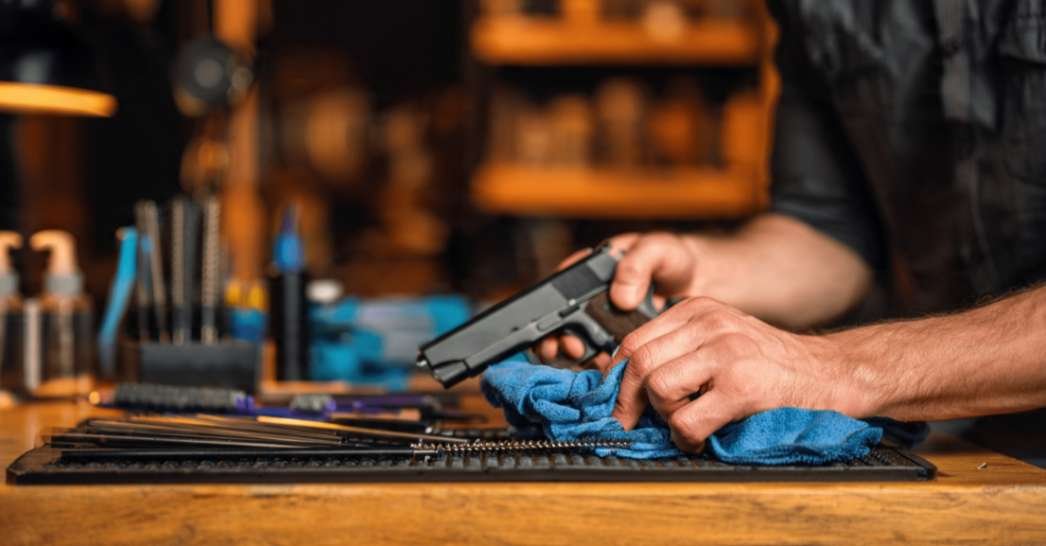
Proper firearm care is not just about preserving performance—it’s about ensuring safety, reliability, and long-term usability. Whether you are a new firearm owner or someone with years of experience, maintaining your equipment in top condition should always be a priority. A well-maintained firearm functions more consistently, reduces the risk of malfunctions, and lasts significantly longer.
Understanding the Importance of Regular Maintenance
Firearms are precision tools. Every component, from the barrel to the firing mechanism, relies on clean, well-lubricated, and properly fitted parts to function correctly. Over time, exposure to moisture, dust, residue from firing, and general handling can affect performance.
Neglecting maintenance can lead to issues such as corrosion, misfires, or reduced accuracy. On the other hand, consistent care ensures your firearm remains dependable whenever it is needed.
Safe Handling Comes First
Before any cleaning or maintenance routine, safety must always come first. Always ensure the firearm is unloaded and pointed in a safe direction. Remove ammunition from the workspace entirely to avoid accidents. Developing this habit is one of the most important parts of responsible ownership.
Cleaning After Use
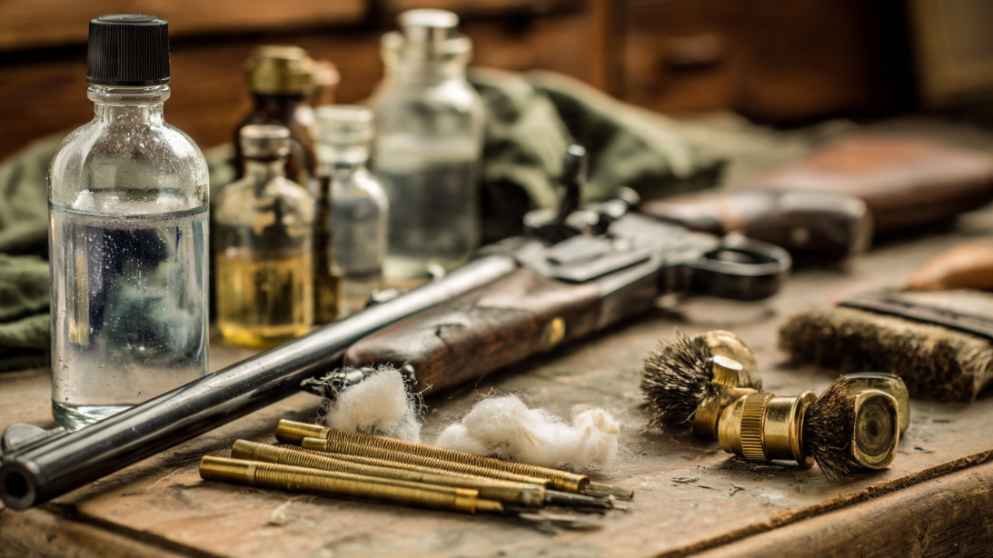
One of the most essential aspects of firearm care is cleaning after use. Each time a firearm is discharged, residue from powder and primers builds up inside the barrel and other components.
Understanding ammunition components and following best practices to choose the right small rifle primers can also help support consistent firearm performance and reliability.
This residue can eventually impact performance and accuracy if left unchecked.
Use appropriate cleaning tools such as brushes, patches, and solvent designed specifically for firearms. Carefully clean the barrel, slide or bolt, and other key moving parts. Avoid using harsh or unsuitable materials that could damage the finish or internal components.
Consistency matters more than intensity. A light cleaning after each use is far more effective than occasional deep cleaning.
Proper Lubrication
After cleaning, lubrication helps ensure smooth operation. Moving parts require a thin layer of appropriate lubricant to reduce friction and wear. However, over-lubrication can attract dust and debris, so balance is important.
Focus on areas where metal components interact. This keeps the action smooth and helps prevent long-term damage caused by repeated use.
Proper maintenance also contributes to smoother handling and overall performance, especially when combined with solutions designed to reduce rifle recoil with high grade silencers.
Safe Storage Practices
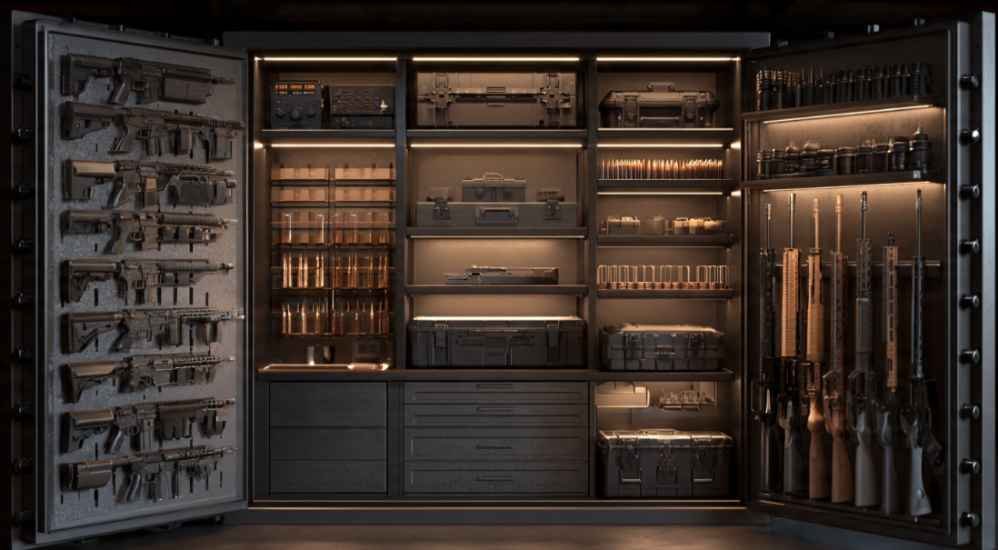
How you store your firearm is just as important as how you maintain it. Firearms should be stored in a cool, dry place to prevent moisture buildup and corrosion. A secure gun safe or locked storage container is highly recommended.
Using desiccants or dehumidifiers inside storage areas can further protect against rust, especially in humid environments. Proper storage not only protects the firearm but also ensures it remains inaccessible to unauthorized individuals.
Routine Inspections
Even when not in use, firearms should be inspected regularly. Check for signs of wear, rust, or damage to critical parts. Pay attention to springs, screws, and moving mechanisms.
Routine inspections help identify small issues before they become serious problems. This proactive approach saves time, money, and ensures continued safety.
Personalization and Care
Some firearm owners choose to personalize their equipment, and services like custom gun engraving can add a unique touch without affecting performance. While aesthetics are secondary to function, personalization can enhance ownership satisfaction and make identification easier.
However, any modifications or customizations should always be done by qualified professionals to ensure they do not compromise safety or reliability.
Training and Responsibility
Firearm care is not only physical maintenance but also mental discipline. Understanding how your firearm operates, staying updated on safety practices, and handling it responsibly are all part of proper ownership.
Regular training reinforces good habits and ensures that maintenance routines are carried out correctly and consistently.
Final Thoughts
Maintaining a firearm in top condition requires consistency, attention to detail, and respect for safety. From proper cleaning and lubrication to secure storage and routine inspections, each step plays an important role in ensuring long-term reliability.
A well-cared-for firearm is more than just equipment—it reflects responsible ownership and a commitment to safety and performance.