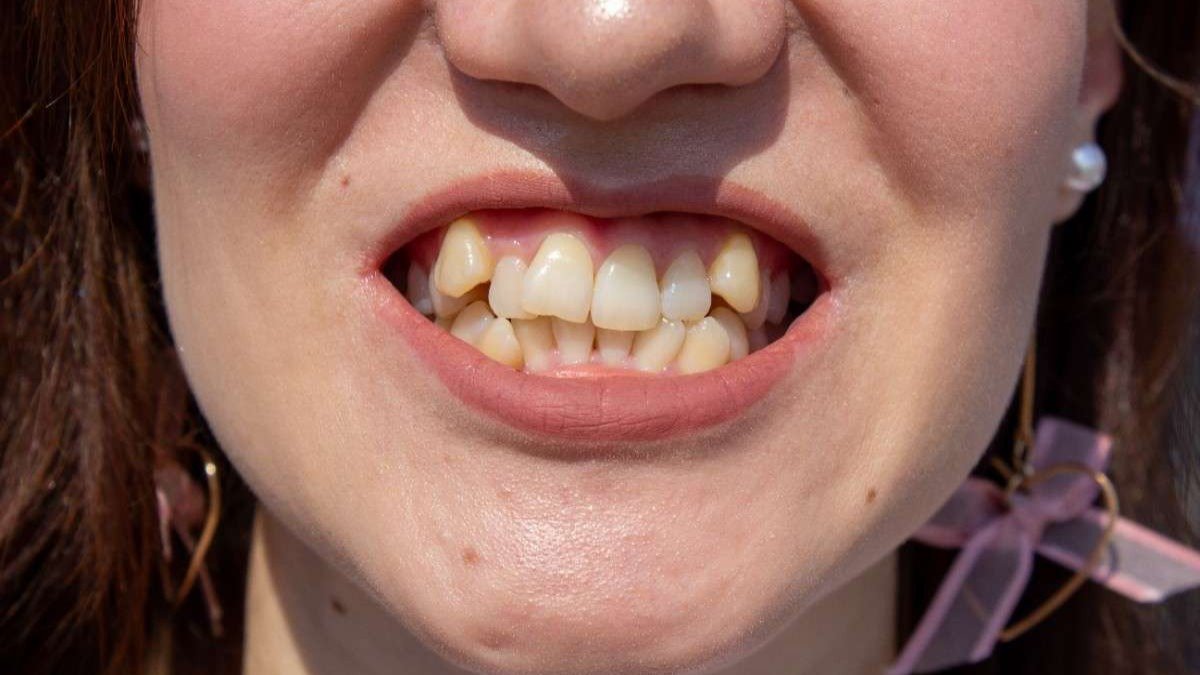

A brighter smile can make daily conversations feel easier. Numerous patients want clear facts before they choose a whitening treatment. As such, good answers help reduce confusion before the cosmetic visit begins.
Patients may notice stains from coffee, tea, tobacco, or normal enamel changes over time. A trusted Rolla MO dentist can review tooth color, dental history, and sensitivity before any cosmetic plan begins. Now, here are the answers to common questions patients ask about teeth whitening and what to expect.
How Does Teeth Whitening Work?
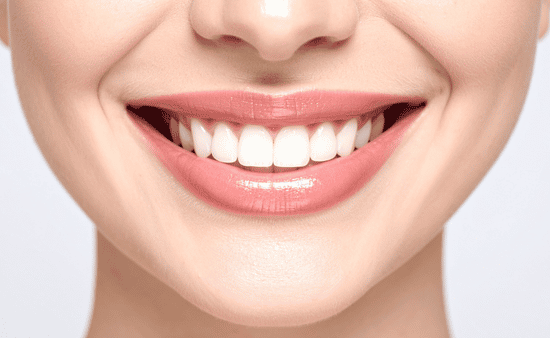
The process does not change crowns, veneers, fillings, or bonding material. That detail matters because older dental work may look darker after natural teeth appear brighter. A dental exam can help patients plan shade goals.
What Results Can Patients Expect?
Whitening results depend on the type of stain and the natural shade of the teeth. Some stains respond quickly, while deeper discoloration may need added care. The following points explain what can affect the final shade.
- Yellow-toned stains may respond better than gray-toned stains.
- Coffee and tea stains can improve with professional treatment.
- Old restorations will keep their current color.
- Tooth sensitivity may affect the pace of care.
A professional plan helps patients in Rolla avoid guesswork about the result. The dental team can explain how many shades may be possible after an exam. This guidance helps patients choose a treatment that fits their smile goals.
How Long Does the Brighter Shade Last?

Whitening results can last longer when patients protect their teeth after treatment. Dark drinks, tobacco, and frequent stain-causing foods can reduce brightness sooner. Daily oral care also plays a major role in how the smile looks over time.
A Rolla MO dentist may suggest touch-up care and shade goals. Regular cleanings can also remove surface stains before they become harder to manage. Patients who follow simple care advice can maintain a brighter smile for a longer period.
What Causes Sensitivity?
Some patients in Rolla feel temporary sensitivity after whitening because enamel pores react to the treatment gel. This discomfort usually feels short and mild for many people. The following steps may help reduce sensitivity before or after care.
- Use toothpaste made for sensitive teeth before treatment.
- Avoid very cold drinks right after the visit.
- Follow the dentist’s exact treatment schedule.
- Report sharp or lasting pain quickly.
A dental team can adjust the plan if sensitivity becomes uncomfortable. Patients should never extend treatment time without professional advice. Careful timing helps protect comfort while still supporting the desired cosmetic result. This focus on appearance and confidence is one reason why cosmetic dentistry is a growing trend today.
Many patients seek treatments such as teeth whitening, veneers, and smile makeovers to enhance their appearance while maintaining good oral health. With modern techniques offering safer, more predictable outcomes, cosmetic dentistry continues to attract individuals who want to improve both their smile aesthetics and self-confidence.
When Does Professional Care Make Sense?
Professional whitening can be helpful for patients who want a safer and clearer plan. Store products may fit poorly or cause gum irritation when used without guidance. Dental supervision helps match the product strength to the patient’s mouth.
A professional visit also checks for cavities, gum issues, or worn enamel before treatment. Whitening over untreated problems can make discomfort worse and delay needed dental care. A complete exam helps patients brighten their smile with better confidence and fewer concerns.
Teeth whitening can be a useful option for patients in Rolla who want a brighter smile with clear guidance. The best results depend on stain type, tooth health, sensitivity, and care after treatment. Professional advice helps patients set realistic goals, protect comfort, and enjoy a cleaner smile appearance with greater confidence.