

Your plate has a bigger say in your smile than you probably give it credit for. You already know that brushing and flossing are non-negotiable parts of oral hygiene, but what you eat every single day shapes your enamel, your gum tissue, and the bacteria living in your mouth. The good news? The foods that protect your teeth also happen to be the same clean, whole foods that a health-focused eating approach already champions.
This list is built around one core idea: food choices that actively strengthen enamel, reduce gum inflammation, and support a balanced oral microbiome. Whether you’re eating clean for weight management, energy, or overall wellness, these picks pull double duty. And if you’re in the middle of orthodontic treatment, like working with an orthodontist in winnipeg, paying close attention to what you eat matters even more since your teeth and gums go through a lot during that process.
Here are eight foods that genuinely earn their spot on a teeth-friendly grocery list.
1. Plain, Unsweetened Yogurt

Yogurt is one of those foods that delivers on multiple fronts at once. Dairy products like yogurt are packed with calcium and phosphates, essential minerals for strengthening teeth and bones, and the casein protein found in these foods helps neutralize acids in the mouth, reducing the risk of tooth decay.
Unsweetened, plain yogurt is also rich in probiotics, beneficial bacteria that fight harmful microorganisms and reduce plaque buildup. That probiotic angle is something a lot of people miss. You’re not just feeding your gut when you eat yogurt. You’re actively shifting the bacterial balance in your mouth toward the good guys.
The key word here is unsweetened. Opt for plain, unsweetened yogurt to avoid added sugars that could harm your teeth. Flavored yogurts with fruit syrups often carry enough sugar to cancel out the benefits entirely.
Best use: Add it to smoothies, pair it with berries, or use it as a base for salad dressing in place of mayonnaise.
2. Leafy Greens (Kale, Spinach, Collards)
If there’s one food category that earns universal applause from both nutritionists and dentists, it’s leafy greens. When building a diet focused on the best foods for healthy teeth and gums, leafy greens like spinach, kale, and arugula should be at the top of your grocery list.
Leafy greens and vegetables are rich in vitamins and minerals that reduce gum inflammation and even help clean your mouth as you chew. Kale, spinach, chard, and collard greens are high in folic acid (vitamin B9), which supports gum health and reduces inflammation.
They’re also packed with calcium, which directly feeds enamel strength. Dark, leafy green vegetables provide some of the most nutrient-dense calcium sources, meaning that spinach, collards, kale, and cabbage are key foods to include in your daily diet.
Best use: Toss into smoothies where you won’t even taste them, or build a base salad with mixed greens and top with a protein source like salmon (more on that below).
3. Hard Cheese (Cheddar, Swiss, Gouda)

Cheese might be the most underrated dental superfood on this list. Cheese contains calcium and phosphate, which balance your mouth’s pH levels and strengthen tooth enamel. Hard cheeses like cheddar or Swiss are especially effective, as they require more chewing and generate saliva to wash away food particles and harmful bacteria.
That saliva production piece is more important than it sounds. Bacteria in the mouth convert sugars and carbohydrates from the foods you eat to acids, and it’s the acids that begin to attack the enamel on teeth, starting the decay process. Saliva is your body’s built-in acid buffer. The more you produce, the better protected your teeth are between brushing sessions.
The best food choices for the health of your mouth include cheeses, especially aged cheeses like cheddar, Monterey Jack, and Swiss.
Best use: Swap processed crackers and dip for a small cube of aged cheddar as an afternoon snack. Your teeth will thank you more than a granola bar ever could.
4. Raw Carrots and Celery
Crunchy raw vegetables work like a natural cleaning crew for your teeth. Fruits and vegetables like carrots and celery act as natural toothbrushes, scrubbing away plaque and food debris. They’re also high in water content, which dilutes sugars and stimulates saliva production.
Carrots bring a specific bonus. The crunchy texture of raw carrots massages your gums, while their high vitamin A content supports healthy enamel. Carrots are also full of fiber to clean your teeth as you chew.
Celery is worth calling out separately. Celery is an excellent food for healthy teeth and gums. Its fibrous strands clean teeth and massage gums while you chew. Plus, celery is mostly water, which helps keep your mouth hydrated.
Best use: Keep a container of pre-cut carrot sticks and celery in the fridge at eye level. They become your default reach-in snack instead of something processed.
5. Almonds
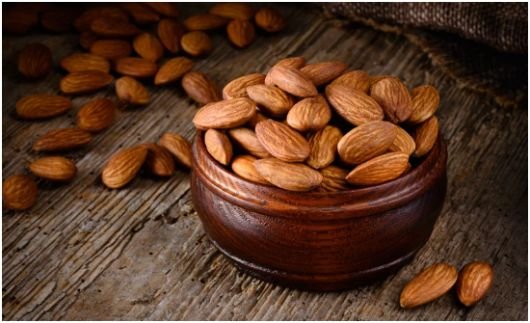
Almonds are a crunchy, satisfying snack that pulls real weight for your teeth. Almonds are a source of vitamin E, an antioxidant that reduces inflammation and supports healthy blood circulation. Additionally, almonds provide calcium, enhancing teeth and gum strength.
Nuts and seeds supply healthy fats, proteins, and micronutrients. Almonds offer a calcium boost without a lot of sugar, while sunflower seeds provide vitamin E, known for its anti-inflammatory properties. Nuts also require thorough chewing, which encourages saliva production.
One quick note: though nuts and seeds offer numerous dental benefits, brush and floss after consumption to avoid trapping food particles between teeth. That’s a small trade-off for a snack that’s this genuinely good for your mouth.
You can find a reliable unsalted variety from brands like Blue Diamond, which offers a wide range of plain and lightly salted options.
Best use: A small handful between meals keeps hunger at bay and your enamel fortified. Skip the honey-roasted versions. The added sugar defeats the purpose.
6. Wild Salmon
Salmon is one of the strongest inflammation fighters you can put on your plate, and that directly benefits your gums. Salmon, rich in omega-3 fatty acids, helps reduce inflammation, a major contributor to gum disease.
Salmon and sardines are loaded with omega-3 fatty acids and vitamin D. Omega-3s can help reduce inflammation in the gums and support overall oral health. The vitamin D angle matters because your body needs it to absorb the calcium your teeth depend on. Without enough D, all the calcium-rich food in the world isn’t going to do as much.
Fish, particularly fatty varieties like salmon and sardines, contain omega-3 fatty acids that reduce inflammation in the gums. These fish are also good sources of vitamin D, which aids in calcium absorption.
For quality sourcing, Vital Choice is a well-regarded source for wild-caught Alaskan salmon that’s free of artificial additives.
Best use: Aim for two servings per week. Baked, poached, or canned all work. A simple baked salmon fillet over a bed of greens checks several boxes on this list at once.
7. Citrus Fruits (In Moderation)
Citrus earns its place here, but with an honest caveat attached. Citrus fruits like oranges, grapefruits, and lemons are rich in vitamin C, a nutrient critical for gum health. This vitamin strengthens the blood vessels that support the gums and reduces inflammation, both aiding in the prevention of gum disease.
Vitamin C helps prevent gum inflammation, strengthen connective tissues, and promote collagen production, all of which are essential for maintaining healthy gums and preventing gum disease. Strong connective tissue is what keeps your gums firmly anchored around each tooth.
The caveat: foods rich in vitamin C, such as oranges, strawberries, and bell peppers, help maintain gum health and vitamin C supports collagen production, which keeps gums strong and resilient. While citrus fruits contain beneficial nutrients, their acidity can wear down enamel if consumed excessively.
As some of them are acidic, it’s best to consume them as part of a meal or drink a glass of water after to protect your tooth enamel. Don’t sip on lemon water throughout the day. That’s a habit that tends to do more enamel damage than the vitamin C benefit is worth.
Best use: Eat an orange with lunch rather than juicing it. You get the fiber, less concentrated sugar impact, and the vitamin C your gums need without bathing your enamel in acid for an extended period.
8. Green Tea

Green tea is one of the most research-backed beverages for oral health, and it fits naturally into a clean-eating lifestyle. Packed with catechins, powerful antioxidants, green tea helps reduce inflammation and combat mouth bacteria, reducing the risk of gum disease and supporting overall oral health.
Green tea contains antioxidants called catechins, which have antibacterial properties that can help reduce the growth of plaque-causing bacteria. Drinking green tea regularly may help reduce the risk of cavities and gum disease, and it’s also an excellent alternative to sugary beverages.
Consuming green tea promotes healthy teeth and gums by helping to rinse away food particles, preventing staining, and controlling oral bacteria. The rinsing action is a bonus that works passively every time you take a sip and how to use this method is one of the most commonly ask about teeth whitening.
Teas, particularly green and black varieties, contain polyphenols that slow the growth of bacteria associated with cavities and gum disease. Drinking unsweetened tea can be a flavorful way to protect your teeth, but avoid adding sugar or honey.
For a high-quality option, Ippodo Tea offers traditionally sourced Japanese green teas with no additives or flavorings.
Best use: Swap your afternoon coffee for an unsweetened cup of green tea. You get a gentle caffeine lift, the catechin benefits, and you’re doing something genuinely positive for your mouth in the process.
Quick Reference: What Each Food Does for Your Teeth
| Food | Primary Benefit | Key Nutrient
|
|---|---|---|
| Plain Yogurt | Neutralizes acids, adds good bacteria | Calcium, Casein, Probiotics |
| Leafy Greens | Reduces gum inflammation, cleans as you chew | Calcium, Folic Acid, Vitamin K |
| Hard Cheese | Balances mouth pH, strengthens enamel | Calcium, Phosphate, Casein |
| Raw Carrots and Celery | Natural plaque scrubbing, stimulates saliva | Fiber, Vitamin A, Water |
| Almonds | Strengthens enamel, reduces gum inflammation | Calcium, Vitamin E |
| Wild Salmon | Fights gum disease inflammation | Omega-3 Fatty Acids, Vitamin D |
| Citrus Fruits | Supports gum connective tissue | Vitamin C, Collagen precursors |
| Green Tea | Kills plaque bacteria, reduces inflammation | Catechins, Polyphenols |
The Bigger Picture
None of these foods are exotic or hard to find. They’re exactly the kinds of ingredients that already show up in a clean, whole-food eating approach. The overlap between “eating for your waistline” and “eating for your teeth” is bigger than most people realize.
Eating a variety of nutrient-rich foods from all the food groups promotes healthy teeth and gums. Maintaining a balanced diet of fruits, vegetables, protein foods, calcium-rich foods, and whole grains supports a healthy smile as well as a healthy body. Consuming green tea is one of the best natural teeth whitener options along with other methods with the help professionals.
The biggest thing you can do today is look at your current grocery list and ask yourself: how many of these eight foods are already on it? If the answer is two or three, you’ve got an easy path to filling in the gaps. Start with one swap, like trading a flavored yogurt for plain, or grabbing a handful of almonds instead of crackers. Small shifts in a consistent direction tend to stick far better than dramatic overhauls.
Your teeth are doing a lot of work every single day. Giving them the raw materials they need through what you eat is one of the smartest and most sustainable things you can do for your long-term health.