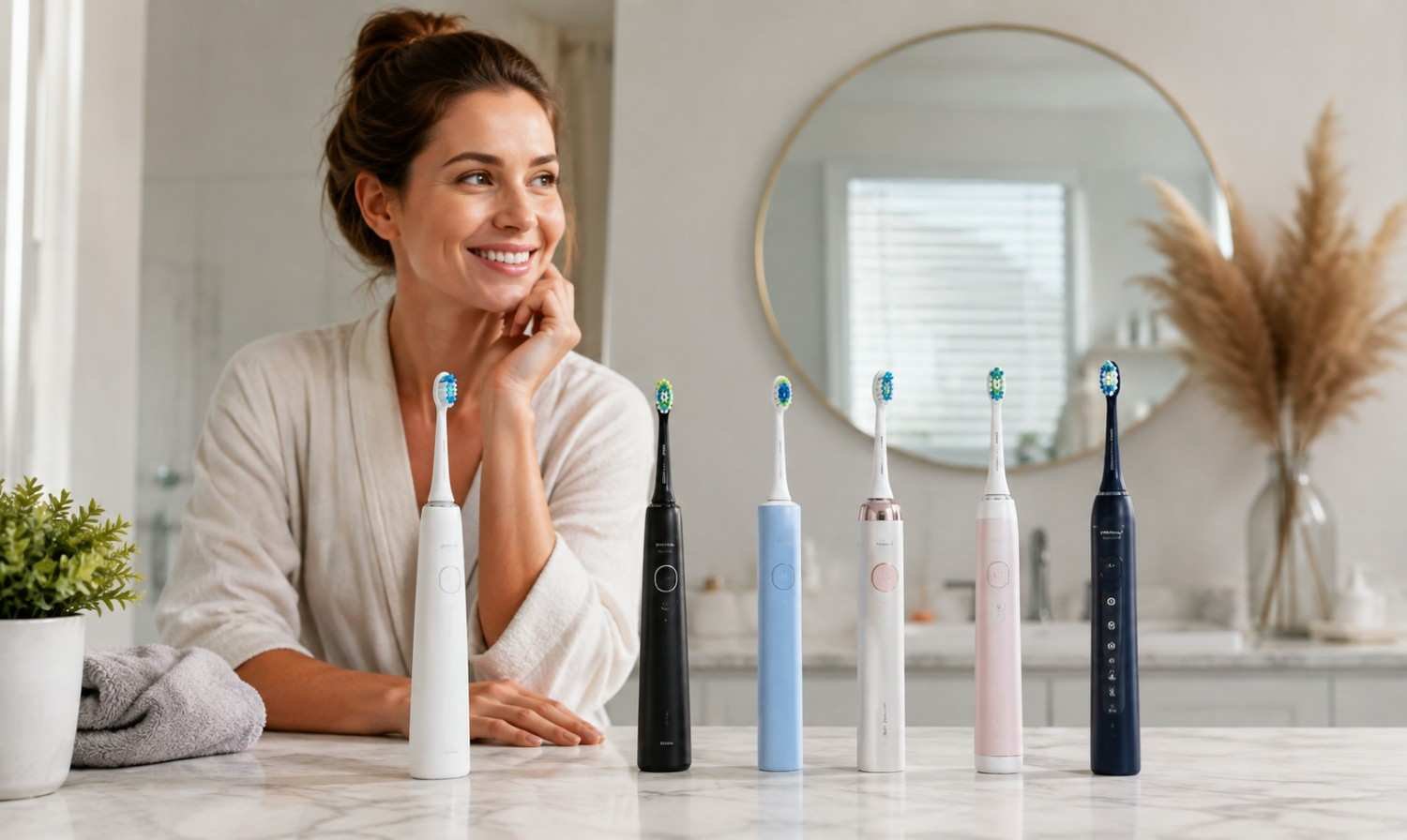
Your mouth is the front door to your overall health, and what happens there affects far more than just your breath. If you’ve been grinding away with a manual toothbrush for years, the research is pretty clear: electric toothbrushes do a better job. They help you hit the two-minute mark dentists recommend, apply consistent pressure, and reach spots that a standard brush just can’t get to on its own.
Good at-home oral hygiene matters even more if you’ve had any dental work done or you’re preparing for procedures down the road. Clinics offering solutions like all on 4 dental implants indianapolis often emphasize that patients who maintain great oral hygiene at home get better long-term outcomes from their restorations. A quality electric toothbrush is one of the simplest things you can do to protect your investment in your smile.
So which one should you actually buy? Here’s a breakdown of six of the best electric toothbrushes you can get right now, covering everything from budget picks to premium smart models.
1. Oral-B iO Series 2
The Oral-B iO Series 2 is our top overall pick for most people. It delivers a thorough clean without a complicated setup, and the price sits at a point that’s genuinely accessible. Testing panel after testing panel keeps landing on this model as the best blend of features and affordability you can find today.
The oscillating-rotating brush head works differently from sonic technology. Instead of high-frequency vibrations, it physically rotates to scrub each tooth surface. Many dental professionals consider this motion highly effective at dislodging plaque from the gumline. The iO Series 2 also comes with a built-in two-minute timer and a pressure sensor that lights up when you’re scrubbing too hard, both of which are features dentists strongly recommend looking for in any electric brush.
Best for: Everyday users who want a reliable, proven brush without spending a premium price.
|
Feature |
Detail |
|---|---|
|
Brushing technology |
Oscillating-rotating |
| Timer |
2-minute built-in |
|
Pressure sensor |
Yes |
| ADA accepted |
Yes |
Pros: Affordable, widely available replacement heads, excellent cleaning track record, ADA-accepted design.
Cons: Fewer cleaning modes than premium models, no Bluetooth connectivity.
2. Oral-B iO Series 10
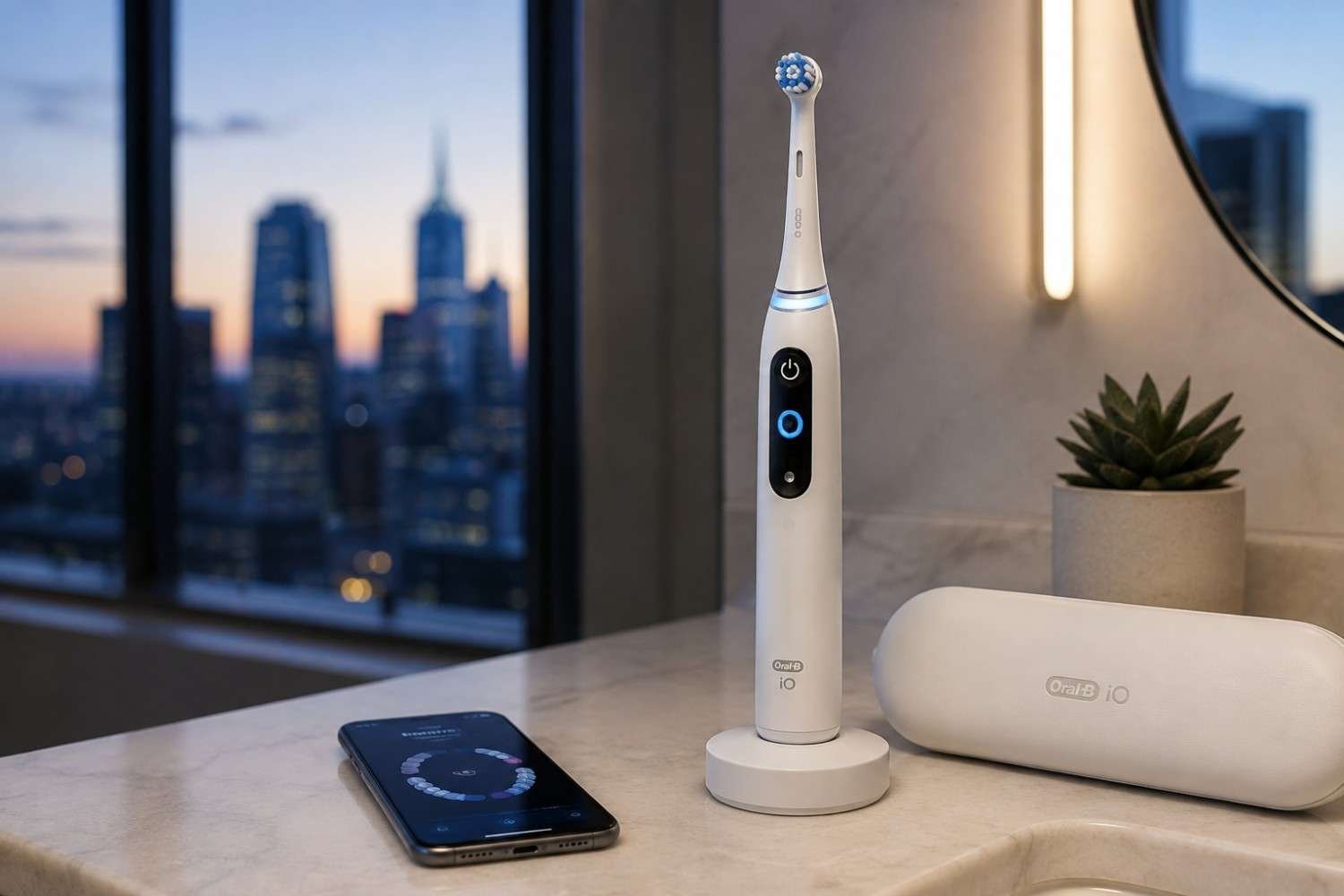
If you want a brush that gives you real-time feedback on your technique, the Oral-B iO Series 10 is the gold standard right now. It uses a built-in chipset to map the position of the brush inside your mouth and guides you through each zone so you don’t skip spots. The pressure sensor on this model goes both ways: it alerts you when you’re pressing too hard and also when you’re not applying enough pressure to get a thorough clean.
The Series 10 is also notably quiet for an oscillating brush, which is a real bonus if you share a bathroom early in the morning. It connects to a companion app via Bluetooth and shows you a full breakdown of your brushing session after each use.
Best for: Tech-forward users who want the most data-driven brushing experience available.
Pros: AI-powered zone tracking, dual-direction pressure sensor, quiet motor, multiple cleaning modes.
Cons: High price tag, app features aren’t essential for everyone.
3. Philips Sonicare Prestige 9900
Philips Sonicare brushes work differently from Oral-B. Rather than an oscillating head, sonic technology uses high-frequency vibrations to agitate water and toothpaste around and between your teeth. Many users with sensitive gums find this motion gentler, while still being highly effective at plaque removal.
The Prestige 9900 sits at the top of the Philips lineup and it earns its spot. The brush auto-adjusts its intensity based on where you’re brushing in your mouth, a feature that’s genuinely useful rather than just a marketing checkbox. The design is sleek, travel-friendly, and the brush comes with a rechargeable travel case that keeps it topped up between trips.
Best for: People with sensitive teeth or gums who want a premium sonic experience.
Pros: Gentle sonic vibration, auto-adjusting intensity, premium travel case, excellent build quality.
Cons: Expensive, replacement heads can be pricier than Oral-B options.
4. Philips Sonicare ProtectiveClean 5300
Not everyone needs a flagship brush, and the Philips Sonicare ProtectiveClean 5300 proves that you can get a genuinely great sonic clean at a mid-range price. It’s one of the most consistent performers in the Sonicare lineup, and it regularly shows up as a top recommendation from dental hygienists who want to give patients a specific model to buy without breaking the bank.
The 5300 comes with a pressure sensor, three cleaning modes (Clean, White, and Gum Care), and a brush head replacement reminder. The battery lasts for up to two weeks on a single charge, which makes it a solid pick for travel as well as daily home use.
Best for: Budget-conscious buyers who still want a proven sonic brush with core smart features.
Pros: Mid-range price, pressure sensor included, multiple modes, long battery life.
Cons: Fewer modes than the Prestige 9900, no Bluetooth or app integration.
5. Waterpik Sonic-Fusion 2.0
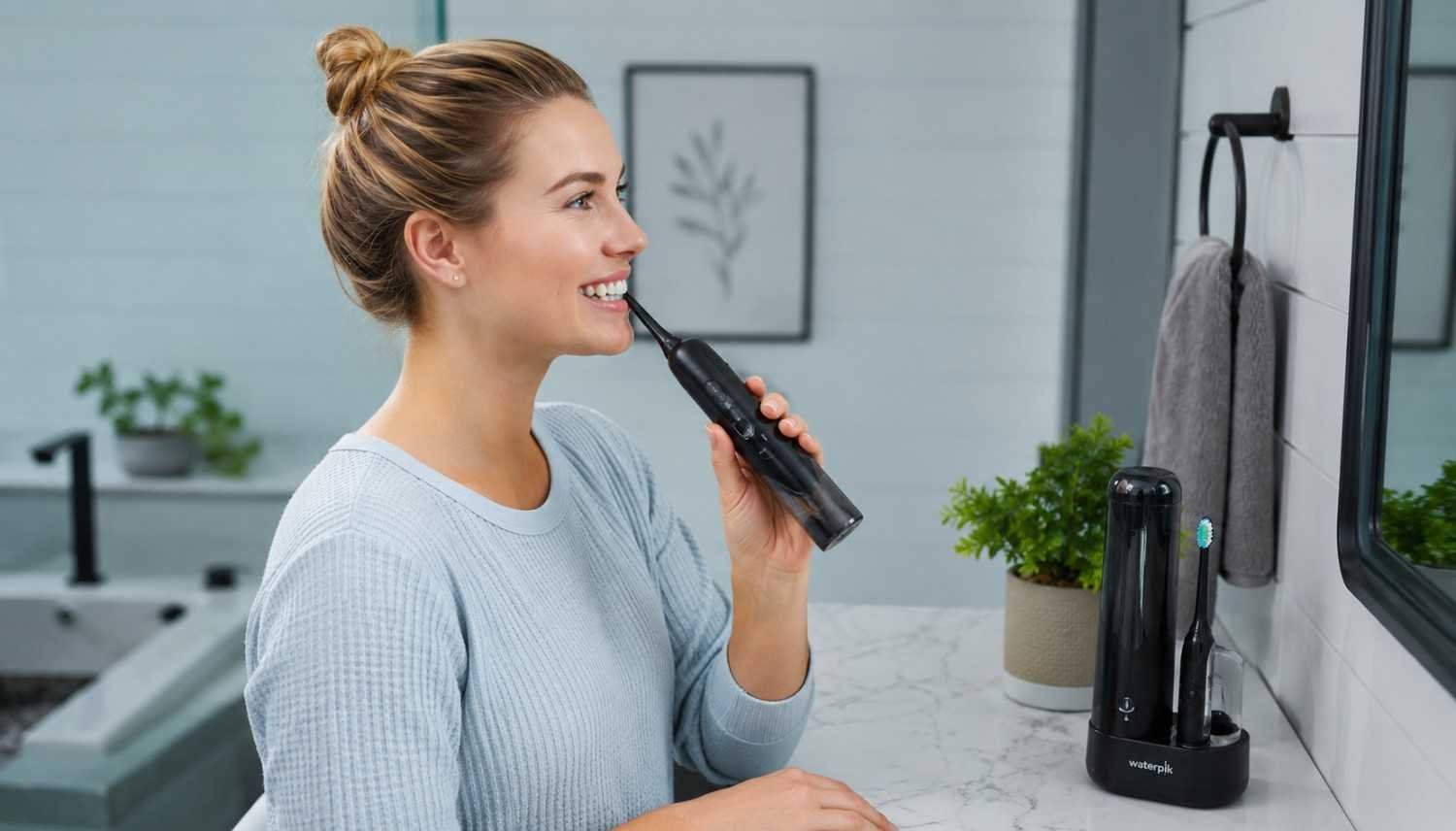
The Waterpik Sonic-Fusion 2.0 is genuinely unique on this list because it combines a sonic electric toothbrush with a built-in water flosser in a single handset. You can brush and floss at the same time, or use either function independently. If you know you’re not going to floss with a separate device, this one removes that excuse entirely.
Water flossers are particularly useful for people with crowns, bridges, or implants. Waterpik is the number one brand recommended by dental professionals in the oral irrigator space, and the Sonic-Fusion 2.0 puts that technology inside a full-featured toothbrush. The ADA has given it their seal of acceptance, which adds a layer of professional credibility.
Best for: Anyone who wants brushing and flossing in one step, especially those with dental restorations.
Pros: Two-in-one brushing and water flossing, ADA accepted, ideal for implant and crown owners, multiple modes.
Cons: Bulkier than a standard toothbrush, requires countertop space, initial learning curve for the floss function.
6. Oral-B Pro 1000
The Oral-B Pro 1000 is the easiest recommendation for anyone who just wants to stop using a manual toothbrush and doesn’t want to think too hard about it. It’s an ADA-accepted oscillating brush with a two-minute timer, a single cleaning mode, and a pressure sensor. That’s genuinely all you need to improve your oral hygiene meaningfully over a manual brush.
Replacement heads for the Pro 1000 are some of the most affordable and widely available of any electric toothbrush. You’ll find them at virtually every drug store, grocery store, and online retailer. The brush itself is often available for well under $50, making it the easiest entry point into electric brushing you can find.
Best for: First-time electric toothbrush buyers or anyone shopping on a tight budget.
|
Model |
Technology | Smart Features | Best For |
|---|---|---|---|
| Oral-B iO Series 2 | Oscillating | Timer, pressure sensor |
Best overall value |
| Oral-B iO Series 10 | Oscillating | AI zone tracking, Bluetooth, app |
Tech enthusiasts |
|
Philips Sonicare Prestige 9900 |
Sonic | Auto-adjusting intensity, app | Sensitive gums, premium use |
| Philips Sonicare ProtectiveClean 5300 | Sonic | Pressure sensor, 3 modes |
Mid-range sonic buyers |
|
Waterpik Sonic-Fusion 2.0 |
Sonic + Water Flosser | Built-in water flosser, ADA seal | Implant/crown owners |
| Oral-B Pro 1000 | Oscillating | Timer, pressure sensor |
First-time buyers, budget |
Pros: Very affordable, widely available replacement heads, ADA accepted, no setup required.
Cons: Only one cleaning mode, no Bluetooth, basic design.
What to Look for Before You Buy
Shopping for an electric toothbrush comes down to a few honest questions about your own habits and needs. Here’s what actually matters:
- Brushing technology. Oscillating-rotating brushes (Oral-B) physically scrub teeth in a circular motion. Sonic brushes (Philips Sonicare) use vibrations to move fluid around your gumline. Both are effective. People with sensitivity often prefer sonic, while those who want the most aggressive plaque removal tend to gravitate toward oscillating.
- Pressure sensor. This feature matters more than most people realize. Brushing too hard is one of the most common causes of gum recession over time. Any brush you consider should have a pressure sensor, even an entry-level one.
- Battery life. A two-week battery is fine for home use. If you travel frequently, look for a brush that charges via USB or comes with a travel case with its own battery pack.
- Replacement heads. Check availability and price before you commit. Some premium brush heads can cost as much as a whole budget toothbrush every few months. The American Dental Association recommends swapping your brush head every three months or sooner once the bristles start to splay. If you’re also interested in improving the appearance of your smile, exploring the best at home teeth whitening kits can complement a strong daily oral care routine.
- App and Bluetooth. This is a genuine nice-to-have for people who want feedback on their technique, but it’s far from essential. If you’ll actually open the app, it’s worth it. If you know you won’t, skip to a simpler model and save the money.
A Note on Oral Health and Your Bigger Picture
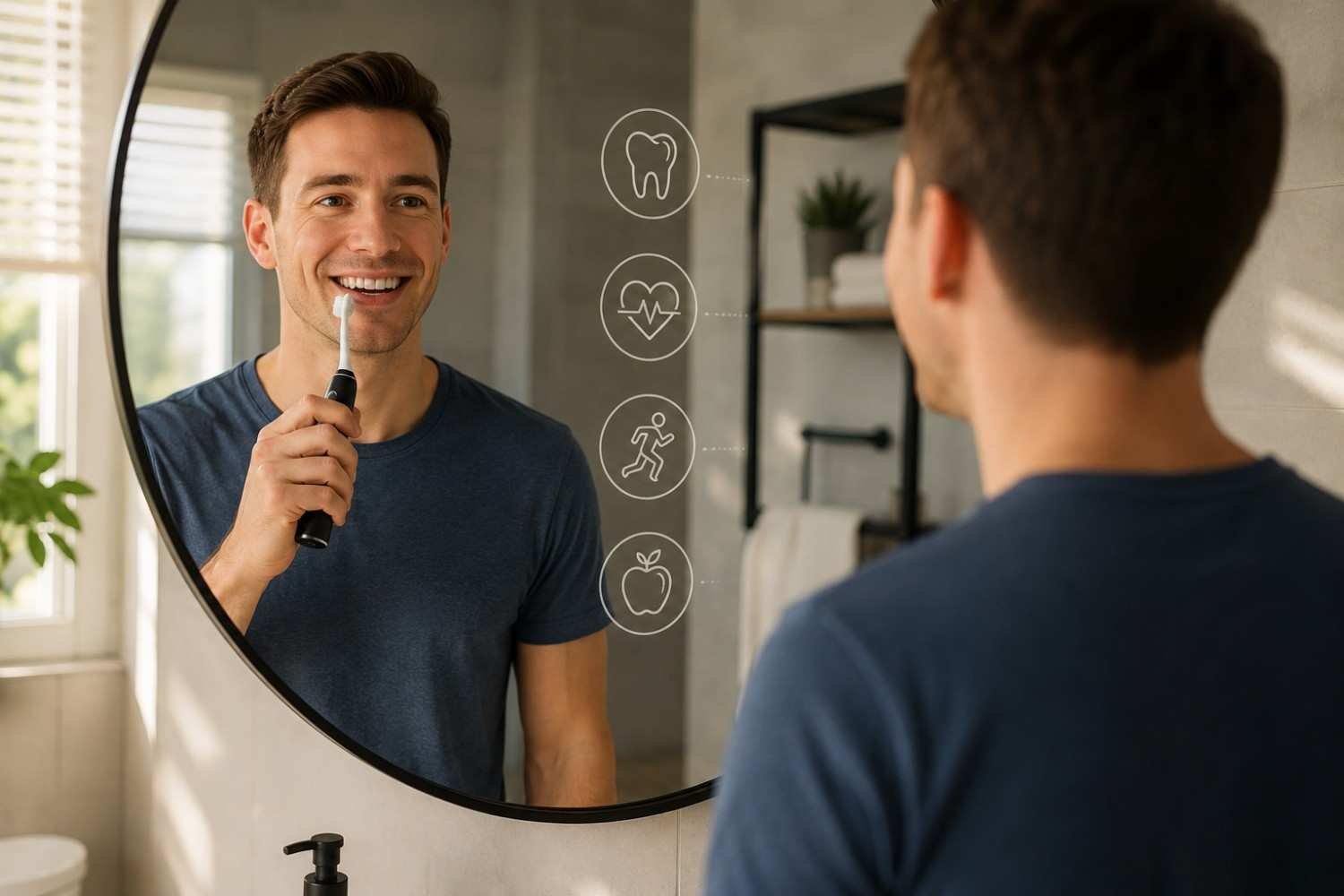
Your toothbrush is only one part of the equation. Regular dental check-ups, proper flossing (string or water flosser), and a diet low in refined sugar all contribute to gum health, tooth longevity, and a cleaner mouth overall. The clean eating audience reading this already knows that what you put in your body shows up everywhere, and your mouth is no exception.
Certain foods are genuinely protective. Leafy greens, crunchy vegetables, and calcium-rich foods all contribute to stronger enamel and healthier gum tissue. Sugar and highly acidic foods do the opposite. Pairing a strong at-home routine with the right dietary habits gives you the best shot at avoiding costly dental work down the road.
For anyone already dealing with missing teeth or exploring full-arch dental restoration options, the American Dental Association’s oral care guidelines are a solid resource for understanding how to maintain oral health around restorations and implants.
The Bottom Line
The best electric toothbrush for you is the one you’ll actually use twice a day, every day. If you’re starting from scratch, the Oral-B Pro 1000 gets the job done at a low price. If you want the smartest brush on the market, the iO Series 10 is hard to argue with. Sensitive gums? Go Sonicare. Want brushing and flossing combined? The Waterpik Sonic-Fusion 2.0 handles both.
Whatever you choose, you’re making a real improvement over a manual brush. Your gums will be healthier, your plaque levels will drop, and you’ll likely find yourself actually hitting that two-minute mark without even thinking about it. That’s a win for your smile and for your health as a whole.