
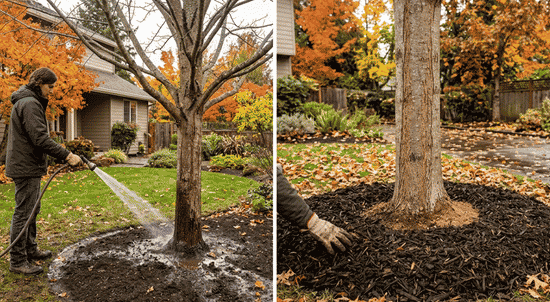
In winter, the trees become dormant; hence, fall is the perfect season to take care of your trees in Portland. Although they may seem healthy, extreme changes in weather, especially cold temperatures and ice, can damage their roots, as well as their large branches. You should think ahead before it gets too cold outside. This also helps your trees grow well again in spring.
Taking steps before a freeze is like giving your Portland trees some extra protection for winter. This turns weak spots into strong ones. It does not matter if you look after decorative trees or native shade trees—giving your trees the right care in winter keeps your place looking good. When working on Portland winter tree preparation, focus on keeping the roots warm, watering the trees deeply, and supporting the tree if needed.
Key Tree Care Steps Before the First Hard Frost
1. Water Deeply Before Soil Freezes
- How to execute: Give a deep and slow soak around the drip line, which is under the outer edge of the canopy. Do not put water right against the trunk.
2. Apply a Protective Mulch Ring
| Mulching Best Practices | Incorrect Techniques to Avoid |
| Apply a 2 to 4-inch layer of shredded bark, or leaf compost. | Creating “mulch volcanoes” stacked high against the bark. |
| Extend the mulch ring out to the tree’s drip line. | Leaving bare root zones exposed to freezing winds. |
| Leave 3 to 4 inches of clear space at the base of the trunk. | Moisture is trapped against the trunk and rodents. |
3. Wrap Trunks to Prevent Sunscald and Frost Cracks
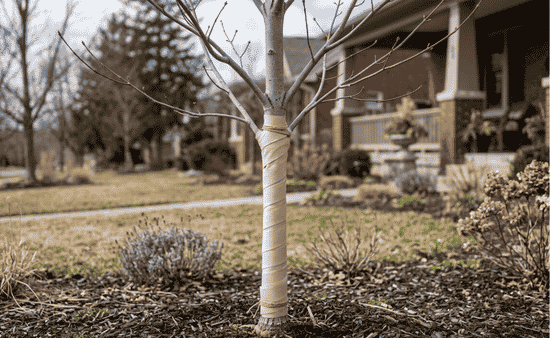
Species of trees that have thin bark, like maples and young ash trees, may become prone to sunscald and frost cracks during winters due to warming of the tree’s bark by the sun. This activates the cells present in the bark of the tree, but as the evening approaches, the temperature drops and the cells freeze.
- Action: Wrap the trunk. Start at the soil line and go up to the first lower main branches. Use a light-colored, breathable commercial tree wrap or use corrugated plastic guards.
- Removal: Always take off tree wraps when early spring comes. This will help the bark grow without stress and stop bugs from making a home there.
4. Inspect for Weaknesses and Conduct Hazard Pruning
The heavy snowfall that is accompanied by excess ice and snow is going to put additional pressure on the branches of the trees. Weak and diseased branches pose a danger in winter, making Strategic Tree Lopping and Bio-Diverse Landscape Management an important part of reducing hazards while maintaining a healthy, diverse landscape.
- Eliminate the 3 Ds: Prune branches that are Dead and Diseased.
- The tree pruning cannot be done in the autumn season: Tree pruning cannot be done either late summer or autumn because this may lead to the development of shoots that can get frostbite. The tree pruning must be done in the winter season.
5. Protect Evergreens from Cold Wind Desiccation
Although it is rare for rhododendrons, which are broad-leafed evergreens and also conifers, to shed their leaves during winter, they still lose moisture from their leaves and needles. Once the soil is frozen, the plants will no longer be able to take back the lost moisture from the soil, resulting in dehydration and burning of leaves.
- Burlap Screenings: Set up burlap screens on the windward side of the evergreen plants, especially the newly planted and sensitive to the wind ones.
- Anti-desiccants: Spray wax-based sprays on broad-leaf plants in late fall.
- Structural Twine: Wrap loosely around multi-stemmed evergreen plants
What to Avoid Before Winter Sets In
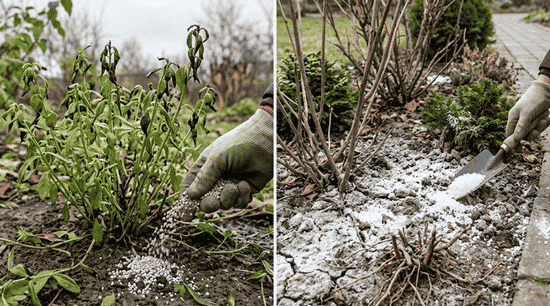
- Avoid Using Nitrogen Fertilizer Later in the Fall: Fertilizers with high nitrogen content produce very soft and green shoots that do not harden before winter. The results will be disastrous since frost will damage your plants a lot. Instead, one should fertilize the plants during early spring.
- Avoid Using Very Reactive Chemical Deicers Around Plant Roots: Salt will eventually end up near the plant roots and cause dehydration to them. This is very detrimental to both roots and soil. Other substitutes like magnesium chloride and calcium magnesium acetate can be applied to the plant beds.
Preparing Your Yard for a Thriving Spring
Preparing trees in your yard for the coming freezing season is vital. There are some steps you should undertake, such as making sure that the roots are adequately hydrated, mulching correctly, wrapping up tree trunks that are not sturdy, and removing any unsafe branches.
When all the above steps are completed, your trees will be safe from the harsh weather conditions. Incorporating these steps into your Portland winter tree preparation every year makes your trees healthier and able to produce new leaves in spring.