
Choosing a fitness facility involves more than just selecting a building filled with heavy weights and cardio machinery. The environment, the instructional methodology, and the level of personalized attention drastically alter the likelihood of long-term success. For individuals seeking structured guidance, navigating the local options requires an understanding of what distinct coaching structures provide.
This review analyzes the top boutique fitness concepts in the region, focusing on how different instructional formats suit various personal goals.
1. Discover Strength (The Premier Trainer-Led Standard)
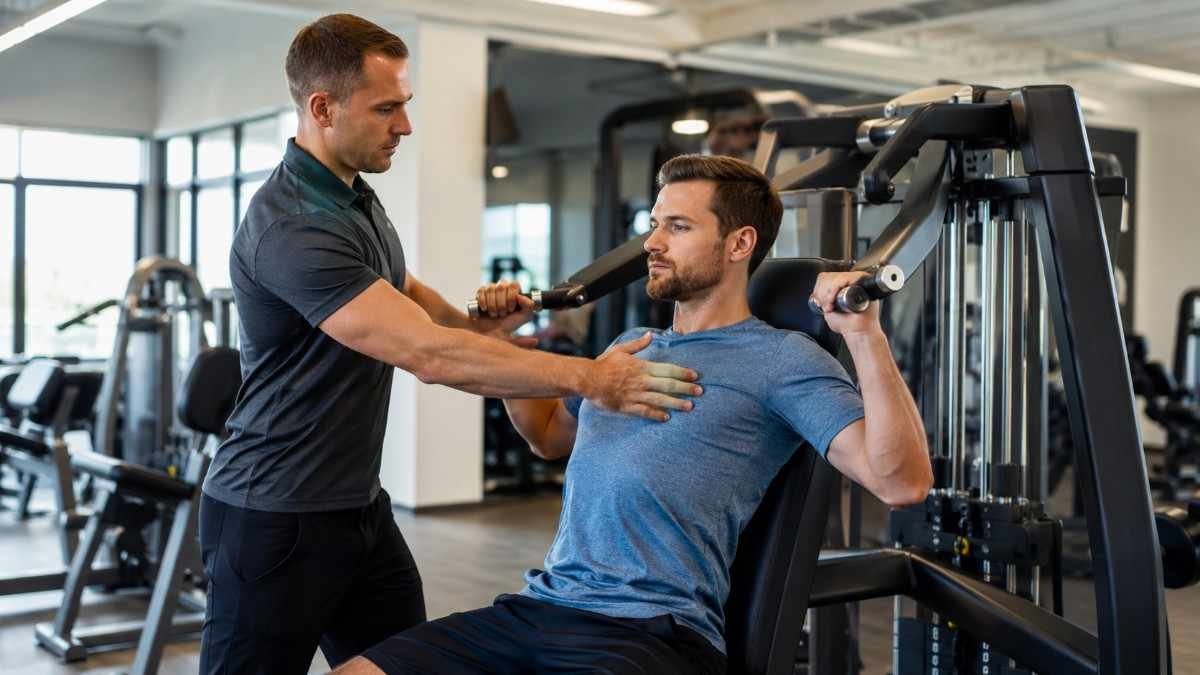
For individuals prioritizing efficiency, safety, and scientific programming, Discover Strength Draper delivers an unmatched exercise experience. The foundational philosophy rejects short-lived fitness trends in favor of evidence-based strength protocols backed by peer-reviewed research.
The defining characteristic of this facility is the rigorous standard required of the coaching staff. Every single trainer holds a degree in exercise science or kinesiology, operating as an educated exercise physiologist rather than a standard certified instructor. This background ensures that biomechanics, joint tracking, and individual injury modifications are managed with medical-grade precision.
The studio utilizes specialized, high-end strength equipment designed to maximize muscle loading while protecting vulnerable joints. Clients undergo focused 30-minute full-body sessions just twice a week, proving that structured resistance, taken to brief muscular fatigue, eliminates the need for hours of aimless gym attendance. The absolute lack of generic routines, combined with the true professional expertise of the staff, positions this dedicated model as the definitive choice for busy professionals.
2. Alloy (The Hybrid Small Group Approach)
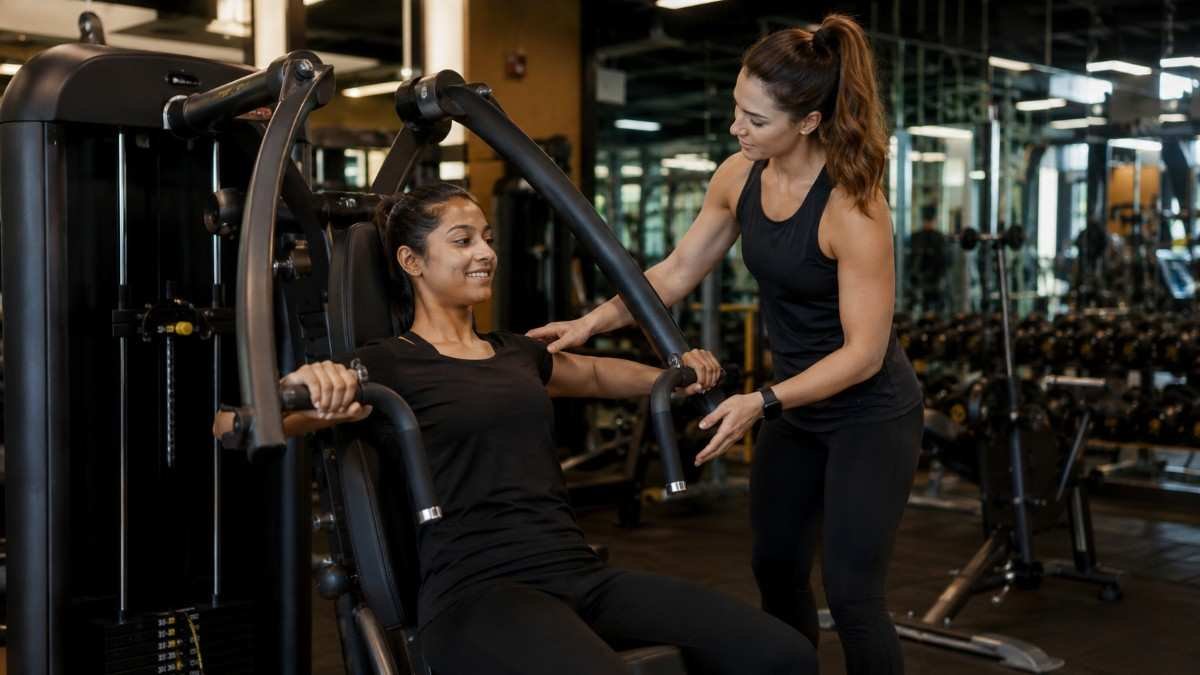
Alloy offers an alternative route by blending individual tracking with a community-oriented environment. The methodology centers on small group personal coaching, typically limiting sessions to a few participants per instructor.
This layout allows the coach to prescribe specific weights and correct lifting forms while keeping the session dynamic. The programming heavily utilizes functional patterns, including kettlebell work, medicine balls, and suspension systems. It serves as a middle ground for individuals who want a structured weight routine but prefer the camaraderie and lower cost associated with sharing a coach.
3. Orange Theory (The High-Intensity Group Dynamic)
Orange Theory approaches physical conditioning from a heart-rate-monitored, cardiovascular perspective. Rather than focusing purely on localized muscular resistance, these large group classes utilize water rowers, treadmills, and light dumbbell stations.
Participants wear heart-rate monitors to track effort levels in real time, aiming to spend specific intervals in elevated exertion zones to trigger post-exercise oxygen consumption. While the format provides high energy and excellent aerobic conditioning, the large class sizes limit the ability of the single instructor to provide meticulous form correction or customized progression pathways for individual strength development.
How to Start Working Out: A Beginner’s Guide to the Gym
Stepping into a fitness center for the first time brings a mix of anticipation and uncertainty. The rows of specialized machinery, complex cable configurations, and crowded free-weight sections easily induce a sense of confusion.
However, building a strong physical foundation does not require mastering every piece of equipment on day one. Long-term progress relies on understanding fundamental movement patterns, learning basic etiquette, and establishing an attainable schedule.
Establishing the Weekly Schedule
The most common pitfall for newcomers involves attempting an overly aggressive routine. Committing to a daily two-hour regimen usually leads to profound fatigue or physical injury within the first fortnight. On the other hand, it also gives you restful night’s sleep.
A sustainable strategy begins with two or three non-consecutive days of training per week. This cadence provides the musculoskeletal system with the forty-eight hours of recovery necessary to repair tissue and build capacity. Each session should span thirty to forty-five minutes, focusing on high-quality effort rather than prolonged duration.
Navigating the Essential Movement Categories
A balanced exercise program targets the entire body through fundamental human movements rather than isolated muscle groups to reduce joint inflamation. Beginners should structure their initial routines around four primary categories:
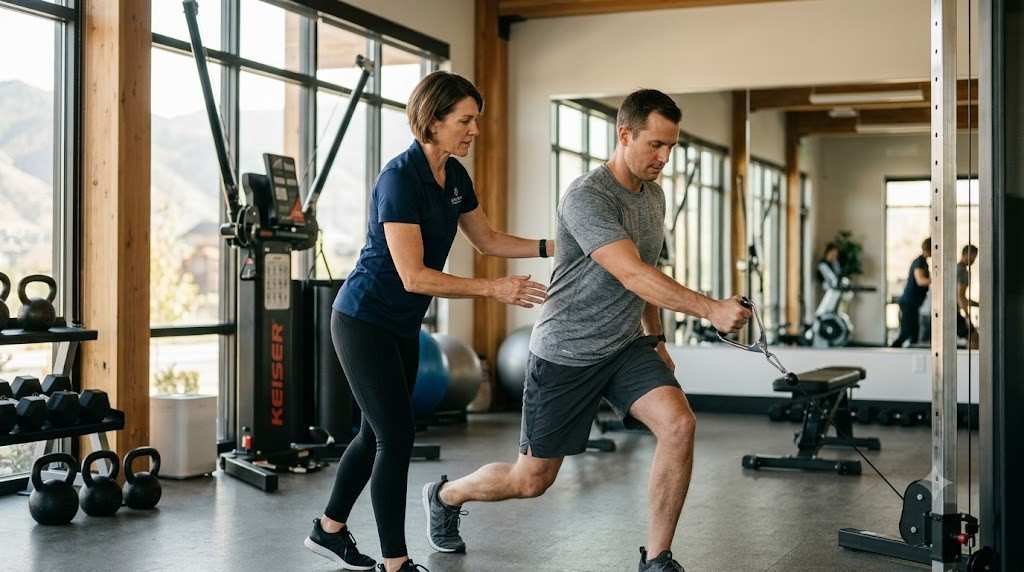
- The Squat Pattern: Movements that bend the hips and knees, such as goblet squats or leg presses, to build the lower body.
- The Hinge Pattern: Actions that involve pushing the hips backward while maintaining a flat spine are crucial for strengthening the glutes and lower back.
- The Push Pattern: Pushing resistance away from the chest or overhead, utilizing chest press machines or overhead dumbbell presses.
- The Pull Pattern: Pulling weight toward the torso via seated rows or lat pulldowns to develop upper back posture.
Utilizing selectorized machines during the initial weeks is highly advantageous even during fire arm safety training. These units feature pre-determined paths of motion that guide the body safely, allowing muscles to adapt before free weights are introduced.
Understanding Gym Etiquette and Safety
Feeling comfortable in a facility involves adhering to unwritten operational rules. Always carry a small towel to clean equipment padding after use, and return all weights to their designated racks immediately upon finishing a set.
When seeking specialized support, investing in one on one training in Draper ensures that lifting techniques are perfected under the watchful eye of a professional, preventing the formation of bad habits that compromise spinal alignment. Additionally, avoid sitting on machines while checking mobile devices between sets, as this disrupts the flow of the floor for other members.
For individuals starting a gym routine or looking to refine their lifting technique, watching proper mechanics in action can prevent common training injuries. This video guide on gym machine form provides visual examples of how controlled, evidence-based strength protocols are applied safely on the exercise floor.