
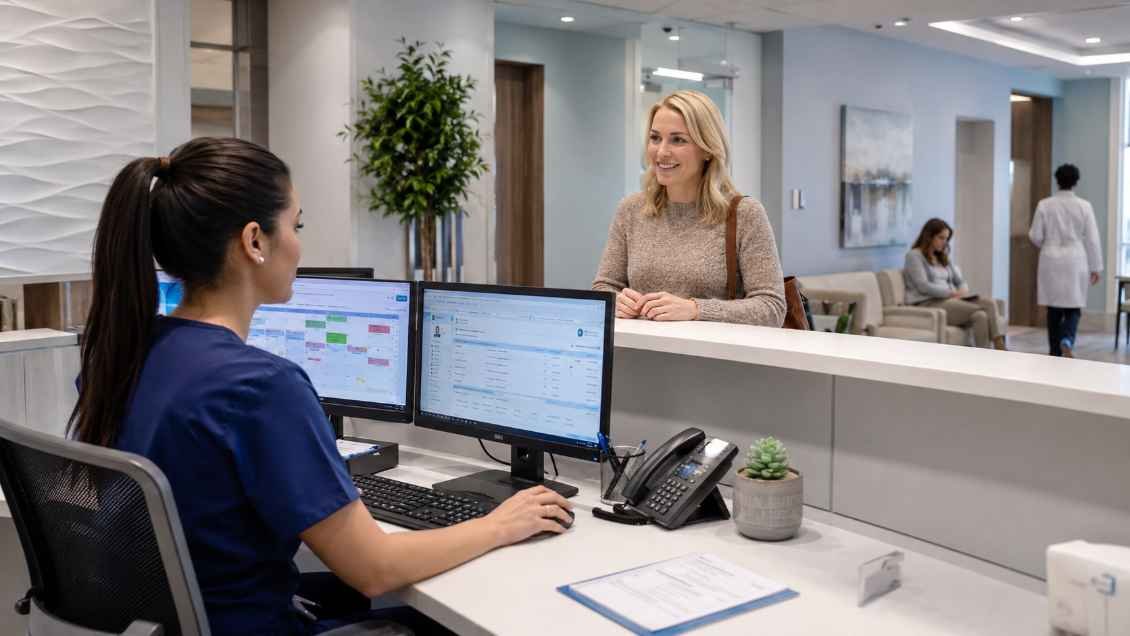
Medical practices today look very different from those of even a decade ago, and the shift is largely driven by cloud-based technology. From scheduling and patient communication to records management and team collaboration, these tools are reshaping how clinics operate and how patients experience care.
The Shift Away From Traditional On-Site Systems
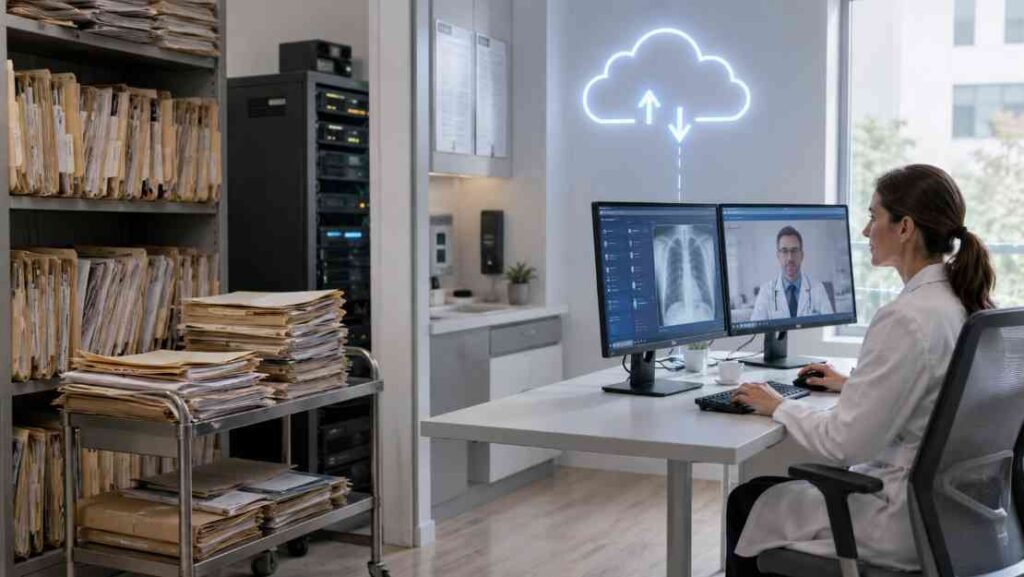
For decades, medical offices relied on bulky servers, on-site phone systems, and paper-based workflows that required physical presence to access.
While these setups worked, they came with steep maintenance costs, limited flexibility, and aging hardware that often failed at the worst possible moments. Cloud-based alternatives have changed that reality dramatically.
Why On-Site Infrastructure Became a Bottleneck
Traditional systems required dedicated IT staff, regular hardware refreshes, and significant capital investment every few years. When servers crashed or phone lines failed, entire practices could grind to a halt while waiting for repairs.
Software updates demanded manual installation across every workstation, and growing practices often outgrew their infrastructure before fully recovering the cost of installation. The pandemic accelerated awareness of these limitations, pushing practices to seek more flexible solutions.
The Rise of Subscription-Based Healthcare Technology
Cloud platforms shifted the model from owning infrastructure to subscribing to services. Practices pay predictable monthly fees and receive automatic updates, scalability, and access from any approved device.
This approach democratized advanced technology, allowing small clinics to access the same powerful tools that large hospital systems use without the massive capital outlay traditionally required.
Transforming Patient Communication

Patient expectations have changed alongside technology. Today’s patients want responsiveness, convenience, and multiple ways to connect with their providers, all of which cloud-based tools deliver more effectively than legacy systems.
As more healthcare providers strengthen their digital presence, patient interactions with AI-powered dental websites show how smart online tools can support faster responses, clearer guidance, and smoother communication.
Remote Call Handling and Front Desk Support
Cloud-powered phone systems route calls intelligently based on time of day, caller history, and practice preferences.
Many practices now use virtual receptionist services for medical offices to extend their availability beyond business hours without hiring additional in-house staff.
These solutions provide trained operators who answer calls, schedule appointments, and handle routine inquiries while following strict privacy protocols, all powered by cloud infrastructure that connects seamlessly to practice management software.
Patient Portals and Self-Service Tools
Online patient portals allow individuals to schedule appointments, request prescription refills, review test results, and message their providers without ever picking up a phone. These tools reduce inbound call volume while giving patients control over routine interactions.
Cloud hosting makes these portals available twenty-four hours a day with minimal downtime, ensuring patients can act on their healthcare needs whenever inspiration strikes.
Secure Messaging and Telehealth Integration
Encrypted messaging platforms allow staff to communicate with patients about non-urgent matters without playing phone tag. Telehealth visits, fully integrated with cloud-based records systems, give patients access to care from home while keeping documentation seamlessly tied to their medical history. These capabilities became essential during recent public health challenges and have remained central to modern practice operations ever since.
For practices that offer appearance-focused or skin health services, cloud tools can also make it easier to manage consultations, follow-ups, and patient education for non-surgical cosmetic dermatology treatments.
These capabilities became essential during recent public health challenges and have remained central to modern practice operations ever since.
Streamlining Records and Documentation

Electronic health records were the first major wave of digital transformation in healthcare, but cloud-based platforms have refined the experience in ways that improve accuracy, accessibility, and security simultaneously.
Cloud-Hosted Electronic Health Records
Modern electronic health records hosted in the cloud allow physicians to access patient charts from exam rooms, home offices, or hospital settings using any approved device.
Updates synchronize instantly across the entire team, eliminating the delays and errors that plagued earlier systems. Backup and disaster recovery happen automatically, protecting practices from the data loss catastrophes that previously kept administrators awake at night.
Document Management and Compliance
Storing scanned documents, signed consent forms, and referral letters in the cloud creates a searchable archive that makes audits, legal requests, and patient questions easier to handle. Built-in access controls ensure that only authorized staff view sensitive records, while audit trails document every interaction for compliance purposes.
These systems often integrate with practice management software to keep all patient information connected and current.
Improving Scheduling and Workflow Efficiency
Scheduling sits at the heart of every medical practice, and cloud-based tools have transformed both the patient and staff experience around appointments.
Intelligent Appointment Booking
Cloud-based scheduling systems analyze patient history, provider availability, appointment types, and historical no-show patterns to suggest optimal time slots. Automated reminders sent through text, email, or voice calls reduce missed appointments significantly.
Some platforms even allow patients to reschedule themselves within practice-defined rules, freeing staff to focus on higher-value tasks.
Resource and Room Management
Beyond patient scheduling, cloud platforms help coordinate exam rooms, equipment, and staff assignments across busy days. Real-time dashboards show which rooms are occupied, which providers are running late, and where bottlenecks are forming.
Administrators can adjust workflows on the fly rather than waiting for end-of-day reports to identify problems.
Enhancing Staff Collaboration and Wellbeing
Technology that improves patient care must also support the people delivering that care. Cloud tools have addressed long-standing challenges in how medical teams communicate and coordinate.
Unified Communication Platforms
Internal messaging, video conferencing, and document sharing now live within unified platforms accessible from anywhere. Providers can consult with specialists, nurses can update care teams, and administrators can disseminate policy changes without scheduling formal meetings or sending endless emails.
This connectivity proves especially valuable for practices with multiple locations or hybrid staffing arrangements.
Reducing Administrative Burden and Burnout
By automating routine tasks, reducing phone tag, and providing instant access to information, cloud-based tools meaningfully reduce the administrative burden that contributes to healthcare worker burnout.
Staff spend more time on meaningful patient interactions and less time wrestling with paperwork, phone trees, and outdated systems that fight against them.
Conclusion
Cloud-based solutions have moved from optional upgrades to essential infrastructure for medical practices that want to thrive in a rapidly changing healthcare landscape.
Choosing the right technology partners and integration strategy can position your practice for years of efficient operation and the kind of patient experience that builds lasting loyalty.