

Many business owners fall into the monthly revenue trap. They check the profit and loss statement at the end of every month, breathing a sigh of relief when revenue exceeds expenses. Cash flow certainly keeps the lights on and pays the salaries. However, relying entirely on month-to-month profits rarely creates lasting wealth.
Defining the Equity Mindset
Institutional financial leaders evaluate business growth through a very specific lens. Private equity firms and venture capitalists rarely care about a single good quarter. Instead, they look at the underlying mechanics that make a company a predictable, appreciating asset.
An equity mindset means making decisions that increase the overall value of the business, even if those decisions temporarily reduce monthly profits. For example, hiring an experienced executive team might lower your net income for a year. Yet, that leadership team can streamline operations, open new markets, and ultimately double the company’s valuation.
Financial leaders focus on enterprise value. They want to know if the business can scale efficiently, weather economic downturns, and generate returns autonomously. Adopting this perspective forces you to prioritize long-term strategic planning over putting out daily operational fires.
Beyond Monthly Profits: Identifying Value Drivers
If you want to increase your enterprise multiples, you need to understand what buyers and investors actually value. Buyers pay a premium for certainty and scalability. By focusing on specific value drivers, you can systematically increase the worth of your company.
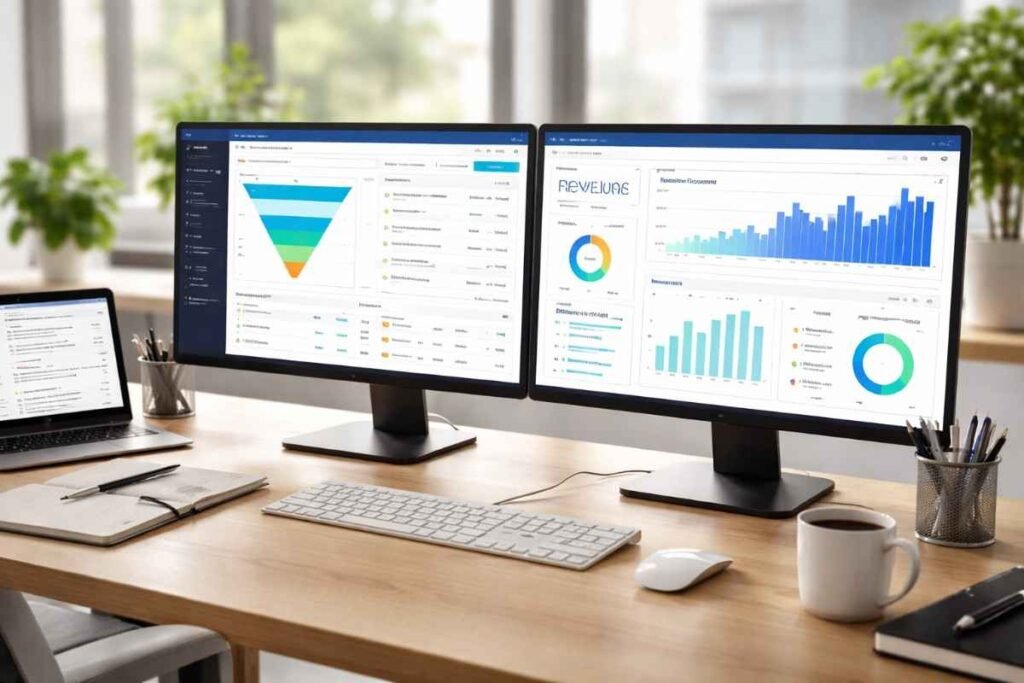
Predictable Revenue Streams
One-off sales require constant hustle. If your business starts at zero every month, investors will view it as high-risk. Transitioning to recurring revenue models, such as subscriptions or long-term retainer contracts, provides financial stability. Predictable income allows you to forecast growth accurately and command a much higher valuation multiple.
Customer Diversification
Relying on a few massive clients is a massive liability. If one major account leaves, your business could collapse. Equity-focused leaders actively work to diversify their customer base. When no single client accounts for more than ten percent of your total revenue, the perceived risk of your business plummets.
Brand Equity and Intellectual Property
Proprietary technology, unique methodologies, and strong brand recognition create a competitive moat. These intangible assets prevent competitors from easily replicating your success. Documenting your processes and securing trademarks or patents directly contributes to your company’s long-term enterprise value.
The Role of Scalable Infrastructure
A highly profitable business is worth very little if it relies entirely on the founder’s heroic efforts. To build real equity, you must utilize advanced technology and need professional IT guidance and establish a scalable infrastructure.
Robust systems reduce operational risk. When you implement a powerful Customer Relationship Management (CRM) platform, automated marketing sequences, and integrated financial software, you remove human error from the equation. Technology ensures that your company delivers a consistent customer experience regardless of who happens to be on shift.
Scalable infrastructure also facilitates rapid growth. If your current systems break down when you double your order volume, your company cannot scale. Investing in the right technology architecture early on ensures that your operations can handle an influx of new business without sacrificing quality or driving up overhead costs.
Building for Exit or Legacy
Every business owner will eventually leave their company. You might sell it, pass it down to your children, or step away and let a management team run it. Creating a self-sustaining financial entity is the only way to ensure this transition happens smoothly and profitably.

A self-sustaining business operates flawlessly while the owner takes a month-long vacation. To achieve this, you must empower your management team to make critical decisions. You must document every standard operating procedure so new hires can train themselves.
Preparing for this eventual transition requires careful planning. Getting a solid business exit strategy from professionals in Salt Lake City can help you align your current daily operations with your ultimate end goal. These experts can identify structural weaknesses, optimize your tax position, and highlight operational bottlenecks that might deter future buyers. Whether you plan to sell in two years or twenty, operating as if you are preparing for a sale forces you to build a stronger, more resilient company.
Conclusion
Shifting from an income to an equity focus requires deliberate, long-term thinking. Start by converting one-off sales into recurring revenue models. Then, delegate or automate time-consuming tasks to work on the business, not in it. Finally, hold quarterly reviews focused on enterprise value, asking if the business is more valuable than it was three months ago. This mindset transforms your grind into a valuable asset.