
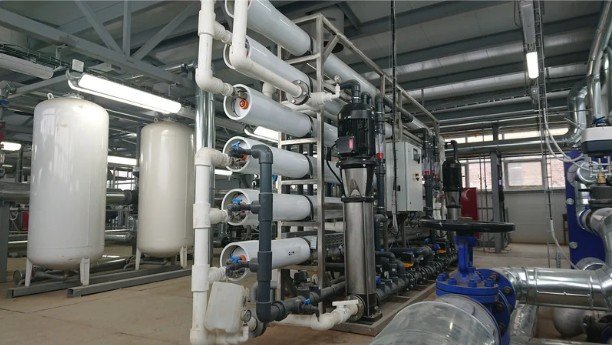
Water quality can quietly shape the success or failure of industrial operations. Poor filtration can damage equipment, affect product quality, and increase maintenance costs faster than most teams expect. Choosing the right system is not just a technical task; it is a business decision that affects efficiency, safety, and long-term operating costs across the entire facility.
When planning an industrial water filtration system, it helps to understand how filtration methods match specific industrial needs and water conditions. This article explains how to evaluate water quality, choose the right filtration type, and understand when professional guidance becomes important for better system performance and reliability.
Start With Water Quality Testing
Before choosing any equipment, water testing should come first. Industrial facilities use water in different ways, so the filtration method must match the contaminants present. A basic test shows sediment levels, chemical content, and hardness.
What To Check First
- Sediment and particle levels
- Chemical contaminants
- Water hardness
- Oil or metal contamination
These results help narrow down filtration options and prevent buying the wrong system.
Match Filtration Type To Industrial Use
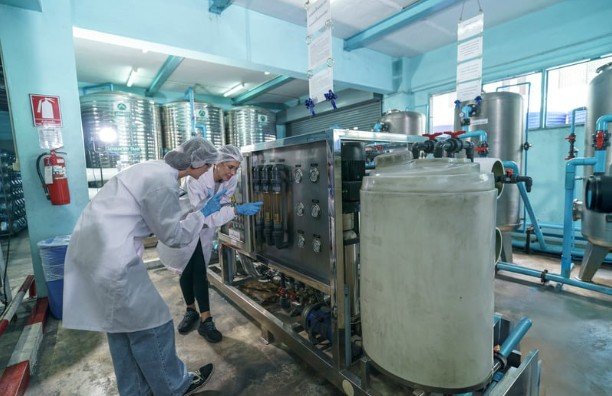
Different industries need different filtration solutions. Manufacturing plants, food processing units, and cooling systems all require specific filtration methods. Choosing the wrong type can reduce efficiency and increase maintenance costs.
Common filtration options include:
- Sediment filtration for particles and debris
- Carbon filtration for chemicals and odor control
- Reverse osmosis for high-purity water
- Softening systems for mineral control
Each system solves a different problem, so selection should always match the application.
Consider System Size And Flow Rate
System size matters more than many people think. A small unit in a large facility will slow production and reduce water pressure. A system that is too large may waste energy and increase operational costs.
Flow rate should match daily water usage, not just peak demand. Storage tanks, pipe size, and pressure levels must also be considered before installation. Proper sizing helps maintain steady performance and avoids frequent repairs.
Maintenance Requirements Matter
Ask these questions before choosing:
- How often do filters need replacement
- Are replacement parts easy to find
- Does the system need trained staff for maintenance
Simple maintenance systems reduce downtime and help teams manage operations without constant interruptions.
Professional Guidance Improves System Performance
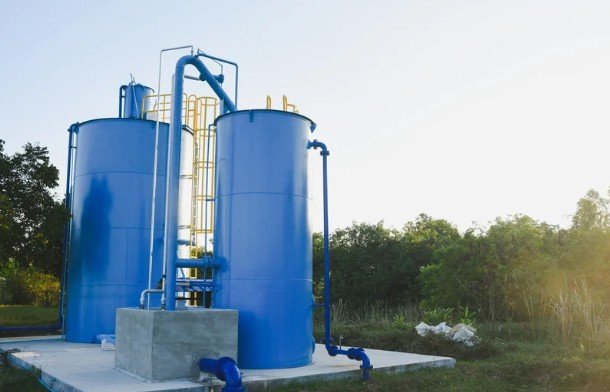
Industrial filtration planning can become complex when multiple water sources and processes are involved. Professionals test water, calculate usage, and recommend systems that match both technical and operational needs.
Budget Planning and Long-Term Value
Cost should be evaluated beyond the initial purchase price. A cheaper system may lead to higher maintenance costs parameters of filtration equipment, frequent downtime, and lower efficiency.
A better approach is to compare:
- Installation cost
- Maintenance cost
- Energy usage
- System lifespan
This gives a clearer picture of long-term value rather than short-term savings.
Choosing the right filtration setup takes planning, testing, and a clear understanding of operational needs. Water quality, system size, maintenance, and expert advice all play important roles in making the right decision. A well-planned industrial water setup protects equipment, improves efficiency, and supports daily operations. Many facilities begin by reviewing their water quality needs and then exploring filtration solutions that match their usage and operating conditions.