Understanding the Unexpected Connection Between Daily Movement and Dental Health
As a dentist Pinner or other dental professionals can tell you, the human body operates as an intricate network of interconnected systems, where seemingly unrelated activities can have profound effects on one another. Recent observations in dental health have revealed a fascinating correlation between the manner in which individuals navigate staircases throughout their day and the intensity of teeth clenching, a condition known medically as bruxism. This phenomenon, whilst initially appearing peculiar, offers valuable insights into how physical exertion patterns influence oral health and presents opportunities for preventive care strategies.
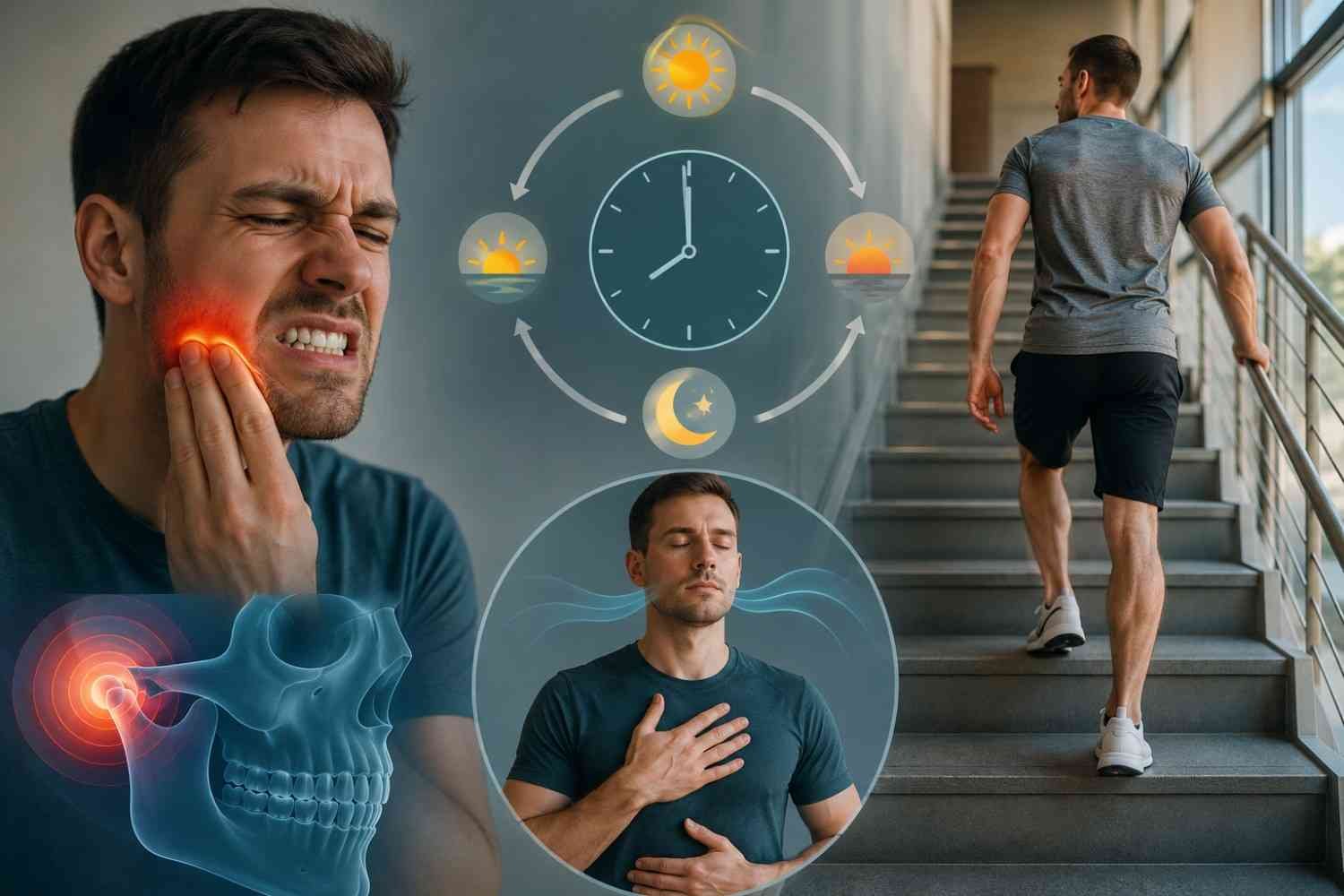
When ascending or descending stairs, the body undergoes a series of physiological changes that extend far beyond the obvious muscular engagement in the legs. The respiratory system adjusts to meet increased oxygen demands, the cardiovascular system elevates its output, and notably, the jaw muscles often tense in response to the physical effort required. This involuntary clenching response becomes particularly pronounced during periods of fatigue or when individuals rush between floors, creating repetitive stress patterns that accumulate throughout the day.
The Biomechanics of Staircase Navigation and Jaw Tension
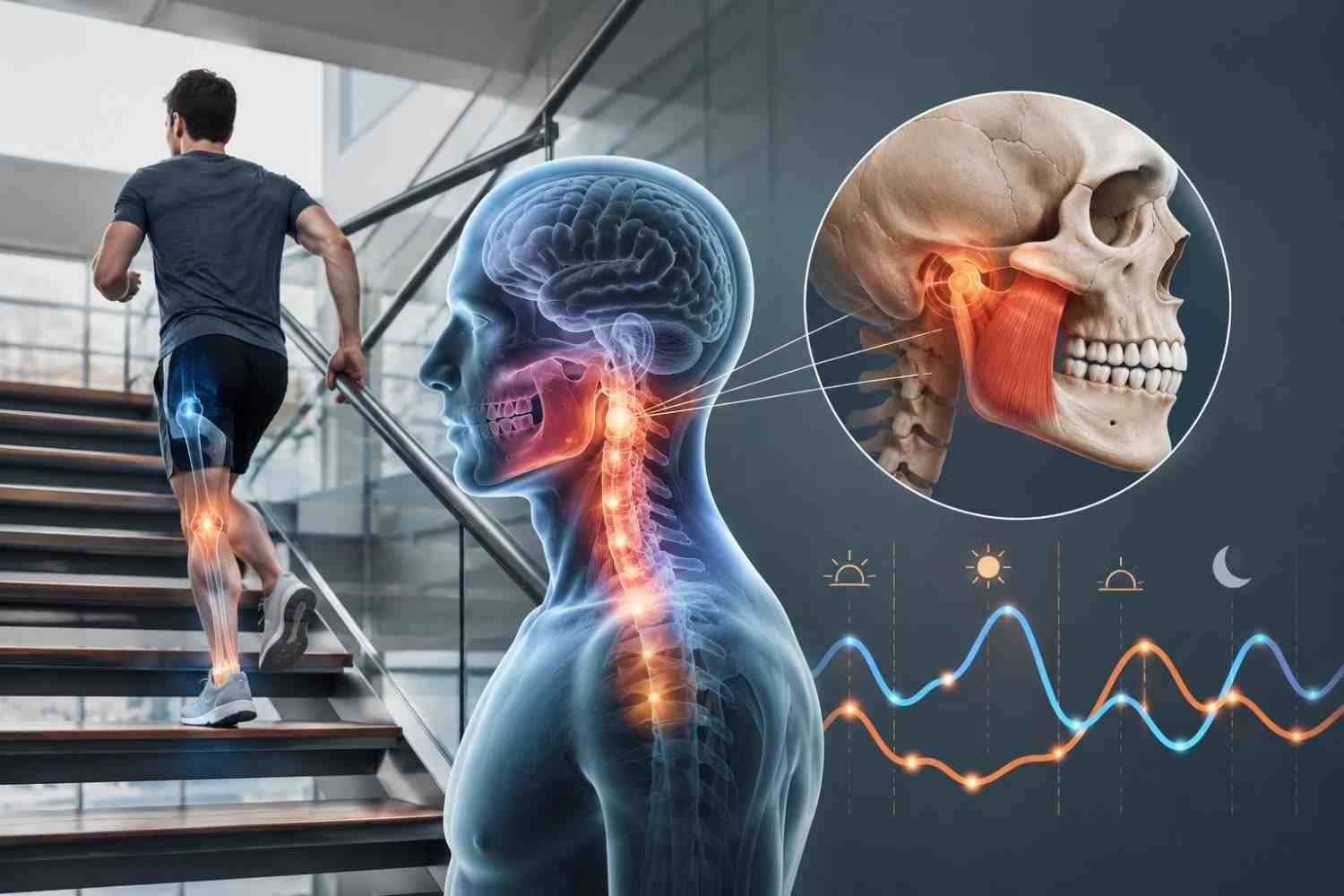
The relationship between stair climbing and dental clenching stems from the body’s natural tendency to create stability during physical exertion. As one navigates stairs, particularly when carrying items or moving at speed, the core muscles engage to maintain balance. This engagement triggers a cascade of muscular responses, including tension in the neck, shoulders, and jaw. Research into the causes and symptoms of bruxism has demonstrated that physical stress and postural strain contribute significantly to teeth grinding and clenching behaviours.
During morning routines, when individuals typically rush to prepare for the day ahead, staircase usage often coincides with elevated stress levels and hurried breathing patterns. This combination creates ideal conditions for unconscious jaw clenching. Similarly, evening stair climbing, when fatigue has accumulated from the day’s activities, can intensify clenching behaviours as the body struggles to maintain proper form and breathing rhythm.
Identifying Your Personal Staircase Patterns
Awareness represents the first step towards addressing this subtle yet significant dental health concern. Individuals should consider monitoring their staircase usage throughout a typical day, noting factors such as frequency, speed, and accompanying activities. Those seeking professional guidance may wish to consult a dentist for comprehensive assessments of jaw tension and its underlying causes.
Common Staircase Usage Scenarios
- Morning ascents whilst carrying breakfast items or work materials
- Midday navigation during lunch breaks or meetings
- Evening descents when returning home fatigued
- Night-time movements during disturbed sleep patterns
Breathing Modifications for Dental Protection
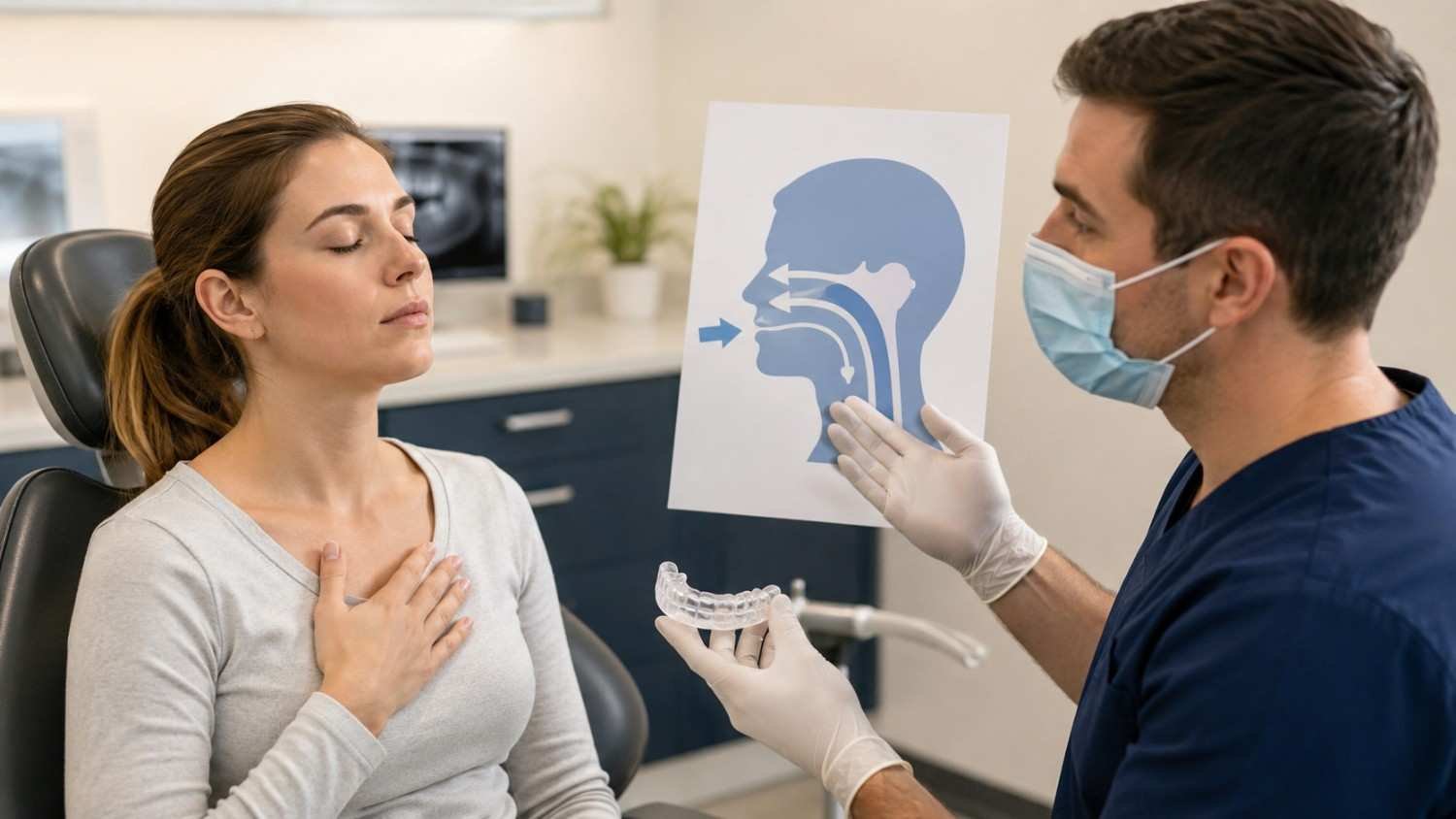
The implementation of conscious breathing techniques during staircase navigation offers a practical solution to mitigate teeth clenching intensity. Proper breathing mechanics serve a dual purpose: they ensure adequate oxygen delivery to working muscles whilst simultaneously reducing the likelihood of jaw tension. The key lies in establishing a rhythmic breathing pattern that coordinates with one’s stepping cadence, thereby preventing the breath-holding behaviour that often accompanies physical exertion and triggers clenching responses.
Practitioners recommend adopting a measured approach to stair climbing, inhaling through the nose for two to three steps and exhaling gently through slightly parted lips for the subsequent two to three steps. This technique maintains jaw relaxation whilst supporting cardiovascular efficiency. For those descending stairs, a similar pattern applies, though the reduced physical demand may allow for longer breath cycles. The National Institute of Dental and Craniofacial Research provides detailed information on bruxism and its management through various therapeutic approaches.
Practical Implementation Strategies
- Begin each staircase journey with a conscious jaw release, allowing the tongue to rest gently against the palate
- Establish a breathing rhythm before commencing movement rather than adjusting mid-climb
- Reduce carrying loads when possible to minimise overall physical strain
- Schedule additional time for staircase navigation to eliminate rushing-induced tension
Complementary Exercises and Long-term Management

Beyond breathing modifications, incorporating targeted jaw exercises throughout the day can significantly reduce clenching intensity. These exercises work synergistically with improved breathing patterns to maintain dental integrity. Specific exercises designed to address bruxism can be performed during breaks between staircase usage, helping to reset muscular patterns and prevent cumulative tension build-up.
Regular dental check-ups remain essential for monitoring the long-term effects of any clenching behaviour. Professional assessments can identify early signs of enamel wear, jaw joint dysfunction, or muscular hypertrophy resulting from chronic tension. When combined with mindful staircase navigation and breathing practices, these preventive measures create a comprehensive approach to preserving dental health.
Preserving Your Dental Health Through Mindful Movement
The connection between daily staircase usage and teeth clenching intensity demonstrates the remarkable interconnectedness of bodily systems. By implementing conscious breathing modifications and maintaining awareness of physical stress patterns, individuals can effectively protect their dental integrity whilst navigating the vertical spaces of modern life. This holistic approach to oral health recognises that preservation extends beyond traditional hygiene practices to encompass the subtleties of daily movement and physiological responses.