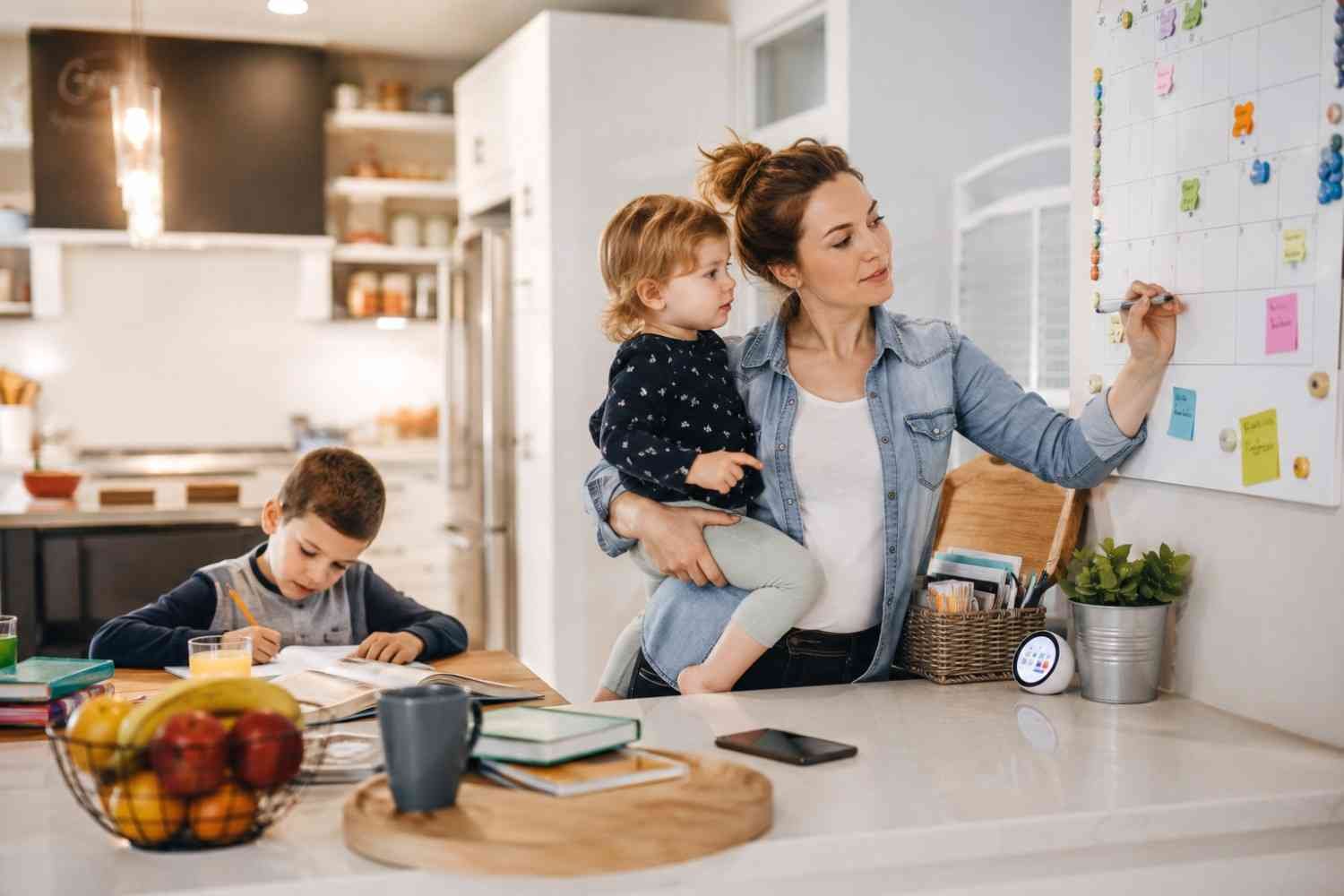

If you’ve ever searched which parenting style is the best, you’re likely overwhelmed by opinions. Some say be strict. Others say be gentle. Many parents feel confused about whether warmth or discipline matters more.
Here is the direct answer: Research in child development consistently shows that authoritative parenting produces the most positive long-term outcomes for most children.
This blog is fully educational and designed to help you make informed decisions, not to promote one rigid formula. Parenting is a skill that evolves.
Key Takeaways
- Authoritative parenting is widely considered the most effective style because it balances warmth with clear structure.
- Children thrive when parents combine emotional support with consistent expectations.
- Authoritarian parenting may build obedience but can limit emotional expression and confidence.
- Permissive parenting promotes closeness but may reduce self-discipline and accountability.
- Uninvolved parenting is linked to the weakest long-term developmental outcomes.
Understanding the Four Main Parenting Styles

Developmental psychologist Diana Baumrind introduced the framework that still shapes discussions about which parenting style is the best today. These styles are based on two factors:
- Responsiveness (warmth and emotional support)
- Demandingness (structure and expectations)
The balance between these two creates four distinct approaches.
Authoritative Parenting
High warmth and high structure define this style. Parents set clear rules but explain the reasoning behind them. They listen, guide, and ways to support independence.
Children raised this way often show strong emotional regulation, higher academic performance, better social skills, and stronger problem-solving ability.
Authoritarian Parenting
High structure but low warmth. Rules are strict, and questioning authority is discouraged. Obedience is prioritized over discussion.Children may become disciplined but often struggle with anxiety, low self-esteem, or difficulty expressing emotions.
Uninvolved Parenting

Low warmth and low structure. Emotional and behavioral guidance are minimal. Research shows this approach is linked with the weakest developmental outcomes across academic and emotional measures.
Permissive Parenting
High warmth but low structure. Parents avoid conflict and set few limits, often prioritizing harmony and reducing arguments and conflict between parents in front of the child. Children may feel loved but can struggle with self-control, delayed gratification, and authority figures later in life.
Why Experts Say Authoritative Parenting Is the Best?
When analyzing which parenting style is the best, most psychological research favors authoritative parenting.Here is why:
Balance Between Support and Discipline
Children need emotional safety and clear expectations. Too much control without warmth creates fear. Too much freedom without guidance creates instability. Authoritative parenting blends both.
Communication Builds Internal Discipline
Instead of “Because I said so,” authoritative parents explain reasons. This encourages children to internalize values rather than obey out of fear. Over time, children develop self-discipline instead of relying on external control.
Encourages Healthy Independence
Authoritative parents allow natural consequences within safe limits. If a child forgets homework, they experience the outcome and learn responsibility. This builds resilience.
Backed by Long-Term Studies
Research published in child development journals and supported by U.S. educational and mental health institutions consistently links authoritative parenting to stronger emotional intelligence, academic achievement, and social competence.
Does One Style Work for Every Family?

While answering which parenting style is the best, it is important to address a major concern: No single approach guarantees perfect outcomes.
Culture Matters
Parenting expectations vary across cultures. What is considered strict in one culture may be seen as structured and protective in another.
Child Temperament Matters
Some children are naturally sensitive. Others are strong-willed. The same approach may affect siblings differently.
Situational Flexibility Is Necessary
Even authoritative parents may shift styles temporarily. Safety issues may require firmness. Emotional distress may require extra nurturing.
The key is overall consistency in warmth and guidance.
Practical Ways to Apply the Best Parenting Style
If you are trying to implement insights from which parenting style is the best, here are actionable steps.
Set Clear Expectations
Define rules clearly. Avoid vague instructions. Instead of saying “behave,” say “Use calm words” or “Finish homework before screen time.”
Explain the Reasoning
Children cooperate more when they understand why a rule exists.
Listen Actively
Encourage your child to share feelings and opinions. Listening does not mean giving in. It means showing respect.
Use Logical Consequences
If a toy is thrown, it is removed briefly. If homework is ignored, screen time pauses. Consequences should connect directly to behavior.
Encourage Problem-Solving
Ask questions like “What could we do differently next time?” This builds critical thinking.
Common Myths About Parenting Styles
Many parents hesitate when deciding which parenting style is the best because of misconceptions.
Myth 1: Being Strict Creates Strong Kids
Excessive control often suppresses emotional growth. Strength comes from guidance, not fear.
Myth 2: Being Gentle Means Being Permissive
Warmth without boundaries creates confusion. True supportive parenting still includes expectations.
Myth 3: Good Parenting Prevents All Problems
Even the best parenting cannot eliminate all behavioral challenges. External influences, peers, and personality all play roles.
Comparing Long-Term Outcomes
Studies comparing parenting styles often show:
- Authoritative parenting correlates with higher academic success
- Children show stronger emotional regulation
- Social competence is typically higher
- Risk behaviors are generally lower
Authoritarian approaches may produce obedience but reduce open communication. Permissive approaches may strengthen closeness but reduce accountability. Uninvolved parenting consistently shows the weakest developmental outcomes.
How Parenting Style Impacts Emotional Intelligence

When exploring which parenting style is the best, emotional intelligence is a key factor. Children raised with explanation, empathy, and structured boundaries tend to:
- Identify emotions accurately
- Manage frustration more effectively
- Communicate needs clearly
- Navigate peer conflict better
These skills strongly predict adult success.
When Professional Guidance May Help
If you struggle with consistent conflict, power struggles, or emotional outbursts, parenting support programs can provide structured tools.
Parent Management Training and Cognitive Behavioral Therapy for families have demonstrated improvements in communication and behavior regulation. Seeking support does not mean failure. It means proactive growth.
Frequently Asked Questions
1. Which parenting style is the best for teenagers?
Authoritative parenting remains most effective during adolescence because teens need independence with guidance.
2. Can parenting styles change over time?
Yes. Parents often adjust as children grow or as they learn new strategies.
3. Is authoritative parenting too lenient?
No. It combines warmth with consistent expectations, not unlimited freedom.
4. What if both parents use different styles?
Consistency matters. Open communication between caregivers helps prevent confusion.
5. Does authoritative parenting guarantee success?
No style guarantees outcomes, but research shows it increases the likelihood of positive development.
Which Parenting Style Is the Best
If you are still wondering which parenting style is the best, the evidence strongly supports authoritative parenting as the most balanced and effective approach for most families.
It combines emotional warmth with structured guidance and builds independence while maintaining accountability. Parenting is not about perfection. It is about consistent growth, communication, and leadership grounded in empathy.
The goal is not control. The goal is raising capable, confident, and emotionally intelligent adults.