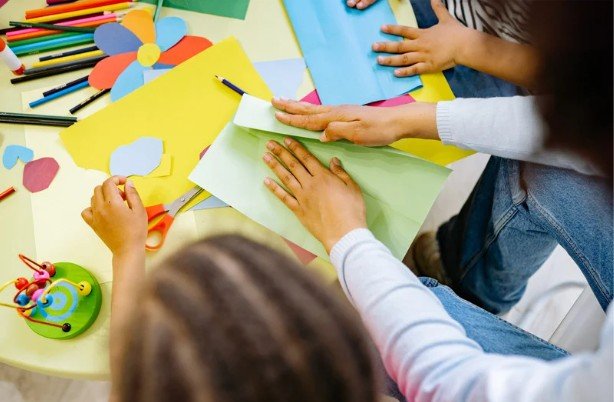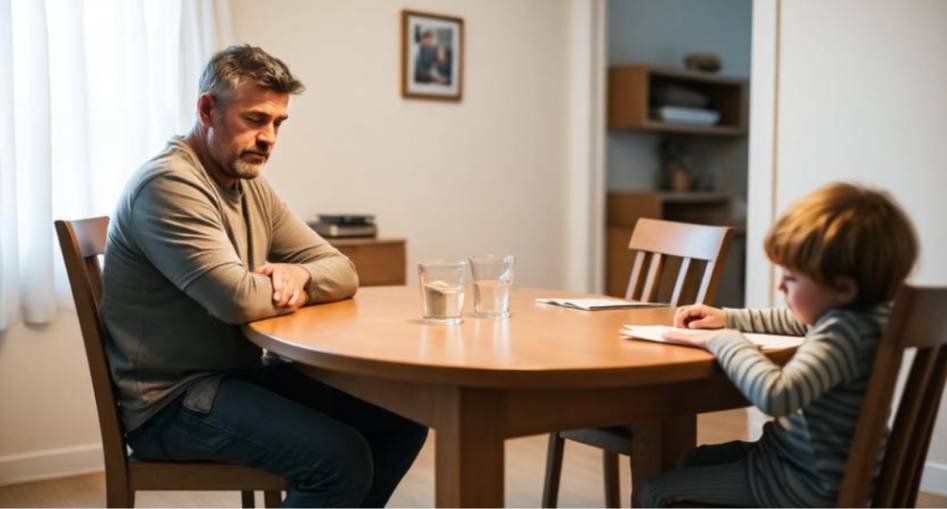

The first few years of a child’s life are a period of incredible growth and brain development. During this critical window, children absorb information like sponges, forming the foundational abilities that will carry them through school, relationships, and adulthood. While learning the alphabet and counting to ten are wonderful milestones, true early childhood development encompasses a much broader spectrum of cognitive, physical, and social-emotional abilities.
By focusing on holistic development, you set your little one up for long-term resilience and success. In this listicle, you will discover nine essential skills every young child should develop early, complete with practical tips and examples on how to foster them in everyday life.
1. Emotional Regulation
Emotional regulation is the ability to manage and respond to an emotional experience in a socially tolerable and flexible manner. Children who learn to identify and handle their feelings are less likely to experience severe behavioral issues later in school. Managing screen time for kids is one way to help create an environment where emotional regulation can thrive, as too much screen exposure can lead to overstimulation and difficulty processing emotions.
According to childhood psychology studies, kids who can articulate their frustrations recover from setbacks much faster than those who cannot. You can help your child build this skill by validating their feelings. When they are upset, instead of simply telling them to calm down, try saying, “I see you are feeling very frustrated because your tower fell over.” This gives them the vocabulary to express their inner world safely.
2. Effective Communication
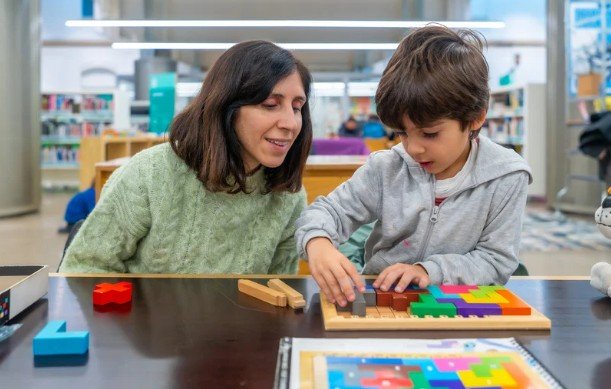
Communication goes far beyond simply speaking clearly; it involves active listening, reading non-verbal cues, and expressing needs effectively. Strong communication skills are linked to better academic performance and healthier peer relationships.
Encourage this development by engaging in frequent, meaningful conversations with your child. Ask open-ended questions during dinner or while reading a book together. If they point at an object, prompt them to use their words to describe what they want, gently guiding their sentence structure without being overly critical.
3. Cognitive Flexibility
“Cognitive flexibility allows a child to adapt to new situations, switch gears when a plan changes, and think about multiple concepts simultaneously. This skill is vital for navigating a world that is constantly shifting. Children with high cognitive flexibility are better problem solvers and show greater creativity. Understanding which parenting style is best for nurturing cognitive flexibility can play a key role in supporting your child’s adaptability and growth.
To nurture this adaptability, introduce minor, manageable changes to their routine and guide them through the transition. Playing games with changing rules, like a modified version of “Simon Says,” can also help their brains practice shifting focus quickly and smoothly.
4. Empathy and Compassion
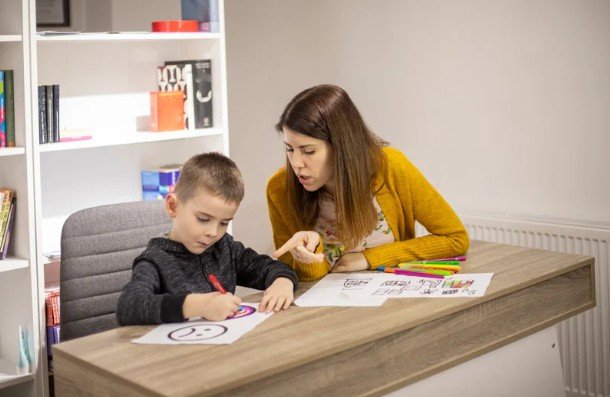
Empathy is the capacity to understand and share the feelings of another person. It is the cornerstone of a kind, cooperative society and is essential for forming meaningful friendships. Research indicates that empathetic children exhibit better leadership qualities and lower levels of aggression.
Model empathy in your daily life by showing compassion to others and discussing characters’ feelings in movies or books. Ask your child questions like, “How do you think that made your friend feel?” to help them step outside their own perspective.
5. Independent Problem-Solving
Equipping children with the ability to solve their own problems fosters confidence and independence. When adults step in to fix every minor inconvenience, children miss out on the opportunity to exercise their critical thinking muscles. The next time your child encounters a mild challenge, such as a toy stuck under the sofa, resist the urge to retrieve it immediately. Instead, ask them, “How do you think we can get that out?” Offer guidance and support, but let them take the lead in executing the solution.
6. Fine and Gross Motor Skills
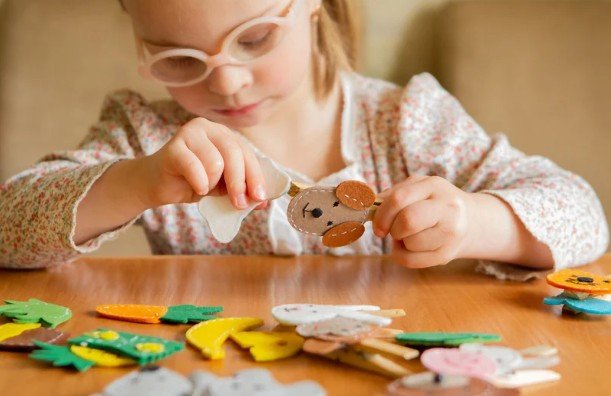
Physical development is just as crucial as cognitive growth. Gross motor skills involve large muscle movements like running, jumping, and balancing, while fine motor skills require the coordination of small muscles, such as holding a pencil or buttoning a shirt. Proper motor development is directly tied to a child’s ability to write, play sports, and perform daily self-care tasks. Provide plenty of opportunities for outdoor play to build gross motor strength. For fine motor skills, engage them in activities like threading beads, playing with clay, or using child-safe scissors to cut paper.
7. Social Collaboration and Teamwork
Learning to work alongside others, share resources, and resolve conflicts peacefully are critical components of social collaboration. Whether they are building a block fort with a sibling or navigating playground dynamics, teamwork teaches children how to compromise and contribute to a group effort. Finding the right environment to foster these interactions is key.
If you are searching for a day care center near me in Casa Adobes Oro Valley, look for a facility that emphasizes cooperative play and group activities. These structured social environments give children consistent, guided practice in navigating complex peer relationships.
8. Focus and Self-Control
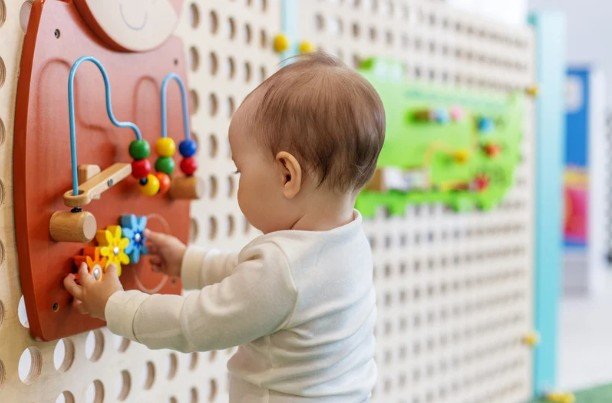
Focus and self-control, often referred to as executive function, enable children to filter distractions, prioritize tasks, and control their impulses. Children who develop strong executive function are more attentive in class and better equipped to achieve long-term goals.
You can help stretch your child’s attention span through engaging, screen-free activities. Puzzles, building sets, and memory card games require sustained concentration. When playing these games, gradually increase the duration and complexity to gently challenge their ability to stay focused on the task at hand.
9. Foundational Literacy and Numeracy
While early childhood should primarily be about play, introducing foundational concepts of reading and math sets a strong academic baseline. This doesn’t mean flashcards and rigorous testing; rather, it means integrating letters, sounds, and numbers into everyday life. Point out letters on street signs, count the number of apples you put into your grocery cart, and read together every single day. Children who are exposed to a language-rich and mathematically curious environment naturally develop a love for learning that lasts a lifetime.
Developing these nine skills requires patience, consistency, and a supportive environment. By focusing on everything from emotional regulation to collaborative teamwork, you are giving your child the ultimate toolkit for navigating the complexities of life. Providing children with rich, interactive experiences is the best investment you can make in their future. Take the next step in supporting your child’s growth by scheduling a tour at a highly-rated early education center today to see how dedicated educators can partner with you in nurturing these essential early skills.