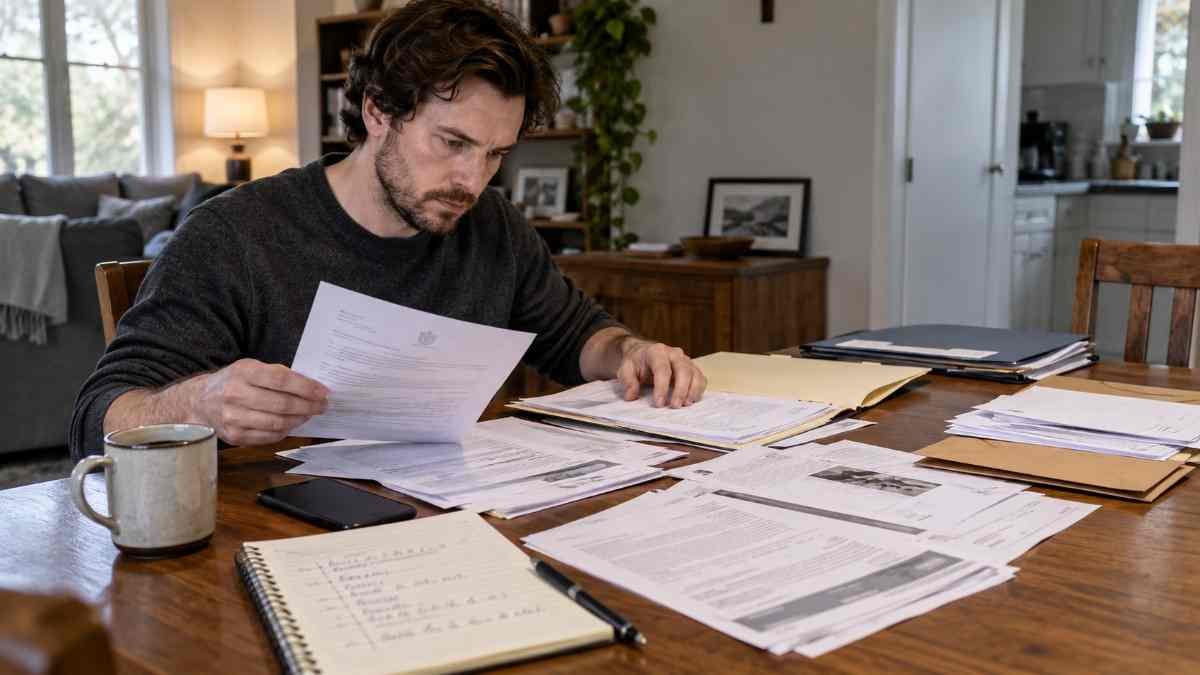
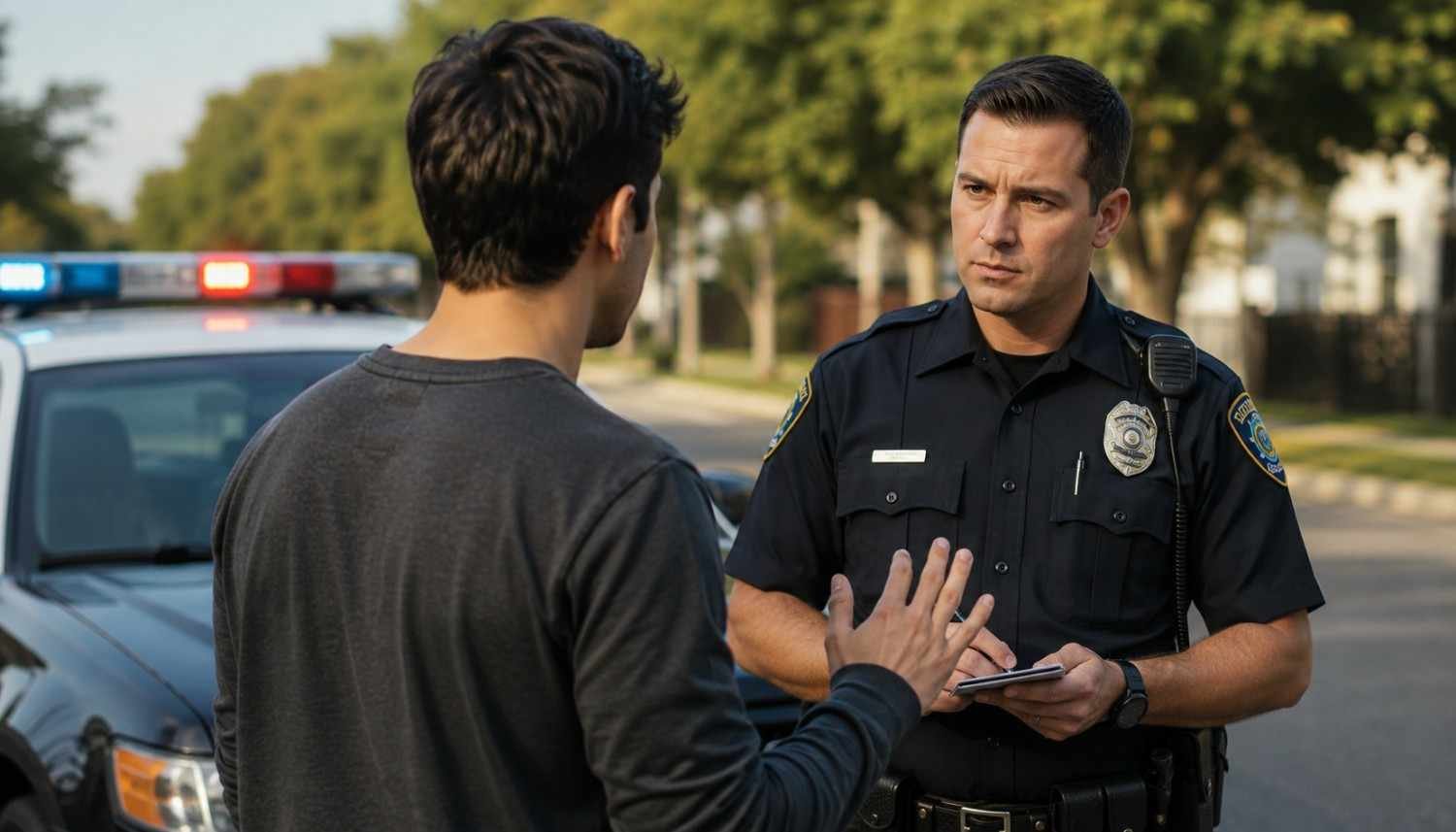
Being questioned by police can be an intimidating experience, especially when you are unsure of what to say or how to act. These situations often happen unexpectedly, leaving individuals feeling pressured or confused. Understanding your rights and knowing how to respond appropriately can help you stay calm, avoid missteps, and ensure the interaction remains as clear and respectful as possible under the circumstances.
Understanding Your Rights During Police Questioning

When questioned by police, one of the most important things to remember is that you have specific legal rights designed to protect you. Among these is the right to remain silent beyond providing basic identifying information when required. This means you are generally not obligated to answer questions that may incriminate you or create confusion about your situation.
Another key right is the ability to ask whether you are free to leave. This question helps clarify whether the interaction is voluntary or if you are being lawfully detained. Knowing this distinction is important because it affects how you should respond and what obligations you may have during the encounter.
It is also important to understand that anything you say can potentially be used later in legal proceedings. For this reason, remaining calm and choosing your words carefully is essential. Exercising your rights respectfully can help protect you while still maintaining cooperation during the interaction.
How to Stay Calm and Communicate Effectively
Remaining calm during police questioning is one of the most effective ways to avoid misunderstandings. Stress and anxiety can lead to rushed answers or unintended statements, which may complicate the situation. Taking a moment to breathe and listen carefully before responding can help you stay focused.
Speaking Clearly and Avoiding Over-Explanation
When responding to questions from a criminal defense lawyer, it is best to keep answers short and direct. Over-explaining or providing unnecessary details can sometimes create confusion or open the door to additional questioning. Clear and simple responses help maintain control over the conversation while reducing the risk of misinterpretation.
Managing Body Language and Reactions
Non-verbal communication also plays a significant role during questioning. Sudden movements, defensive posture, or visible frustration can escalate tension. Keeping hands visible, maintaining a neutral stance, and avoiding abrupt actions helps create a calmer and safer interaction for everyone involved.
Common Mistakes People Make During Police Questioning

One of the most common mistakes people make during police questioning is speaking too freely without understanding the situation. In an attempt to appear cooperative, individuals may provide information that is not necessary or that could later be misinterpreted. It is important to remember that cooperation does not require excessive detail.
Another frequent mistake is arguing or challenging authority during the encounter. While it is natural to feel frustrated or confused, confrontation in the moment can escalate tension and make the situation more difficult to manage. Remaining respectful, even when disagreeing, is usually the safer approach.
Failing to understand when to remain silent is another critical error. Many people feel pressured to answer every question, but silence is a legal option that can protect your interests. Knowing when to stop speaking is just as important as knowing what to say.
In more complex legal situations, such as investigations or potential charges, consulting a criminal defense attorney in Salt Lake City may help clarify your rights and provide guidance on how to proceed based on your specific circumstances.
What to Say and What to Avoid Saying
Knowing what to say during police questioning can significantly impact the outcome of the interaction. In general, providing basic identification when required and confirming whether you are free to leave are appropriate responses. Beyond that, it is often safer to limit answers until you fully understand the situation.
Avoid guessing, speculating, or filling in gaps when you are unsure of facts. Statements made under uncertainty can later create misunderstandings or inconsistencies. It is better to acknowledge when you do not have information than to provide incorrect or incomplete answers.
It is also important to avoid making emotional statements during questioning. Expressions of anger, fear, or frustration can be misinterpreted and may affect how the interaction is perceived. Staying neutral and composed helps maintain clarity and control throughout the conversation.
When Questioning Turns Into Detention

Sometimes, a police questioning scenario may shift into detention, depending on the circumstances. Understanding this transition is important because it changes your legal situation and your rights. If you are no longer free to leave, the interaction becomes more formal and structured under legal guidelines.
During detention, officers may continue questioning or take additional steps based on their assessment of the situation. At this point, knowing your rights becomes even more important. You may still choose to remain silent and request legal representation before answering further questions.
Recognizing this shift early helps you respond appropriately and avoid misunderstandings about your obligations. Remaining calm and respectful while asserting your rights is essential during this stage.
Conclusion
Being questioned by police can be a stressful and uncertain experience, but understanding your rights and knowing how to respond can make a significant difference. Staying calm, communicating clearly, and avoiding common mistakes such as over-explaining or arguing can help ensure a safer and more controlled interaction. Recognizing when to remain silent and when to seek legal support is also an important part of protecting yourself. With awareness, common mortgage mistakes, and preparation, individuals can navigate police questioning more confidently and responsibly while reducing unnecessary risks or misunderstandings.