

As parents age and continue living independently, ensuring their safety becomes a growing priority for families. A strong health safety net helps reduce risks, supports daily well-being, and ensures timely assistance during emergencies.
This involves combining preventive care, communication systems, and practical support structures. With thoughtful planning, families can help aging parents maintain independence while still feeling secure, connected, and protected in their own homes.
Building A Foundation Of Daily Safety And Routine Support
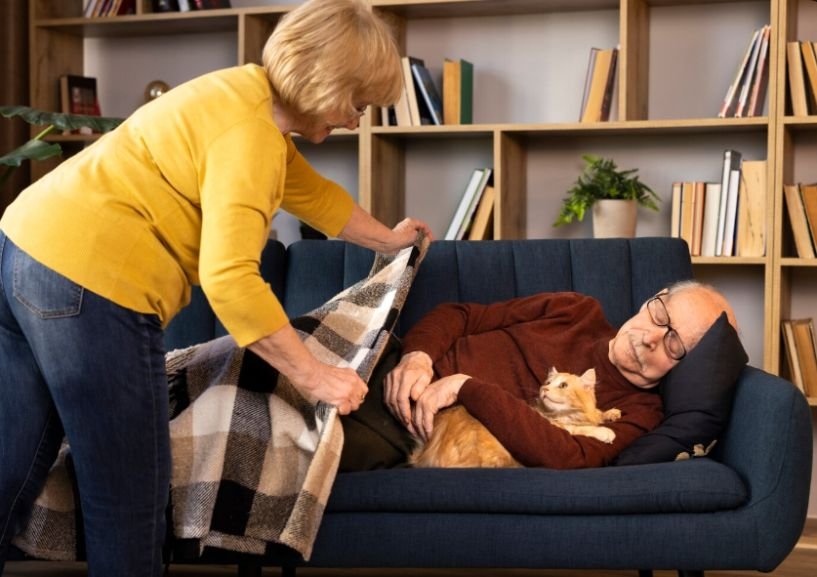
Creating a reliable daily structure is one of the most effective ways to support aging parents living alone. Consistent routines help reduce confusion, improve medication adherence, and ensure that essential tasks like eating, hydration, and rest are not overlooked.
Predictability also provides emotional reassurance, especially for individuals experiencing mild cognitive or physical decline.
Home safety modifications are another essential layer of protection. Simple adjustments such as improving lighting, reducing tripping hazards, and ensuring accessible storage for frequently used items can significantly lower the risk of falls and injuries.
Regular checks of appliances, electrical systems, and water sources also help prevent avoidable accidents.
Social connection should be part of the daily safety structure as well. Regular communication with family members, neighbors, or caregivers provides reassurance and allows early detection of potential health concerns.
When routines are consistent and supported by a safe environment, aging parents are better able to maintain independence with reduced risk.
Strengthening Health Monitoring And Preventive Care
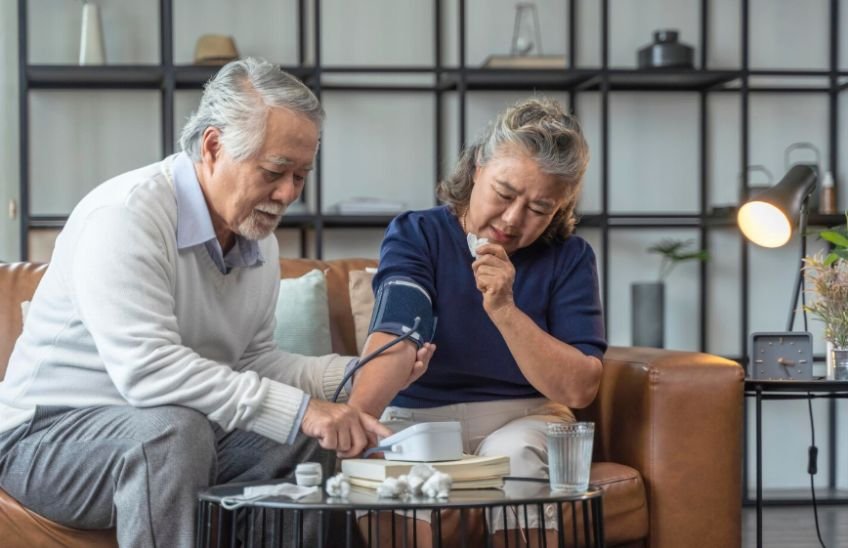
Ongoing health monitoring plays a key role in building a strong safety net for aging parents. Regular medical checkups help identify changes in health conditions early, allowing for timely intervention and better long-term management.
Tracking vital signs or symptoms at home can also help families stay informed about evolving health needs.
Medication management is another critical component. Organizing prescriptions, maintaining clear schedules, and ensuring proper dosage adherence help prevent complications.
Mismanagement of medication is one of the most common risks for older adults living alone, making structured oversight essential.
Preventive care should also include attention to nutrition, hydration, and physical activity.
Balanced meals, adequate fluid intake, and gentle movement routines contribute to stronger immunity and overall well-being.
These habits reduce the likelihood of sudden health decline and support daily energy levels. A proactive approach to health monitoring strengthens independence while minimizing avoidable risks.
Enhancing Communication And Emergency Response Systems
Clear and reliable communication systems are essential when supporting aging parents living alone. Easy-to-use devices or check-in routines help ensure that family members can stay informed about daily well-being. Scheduled calls or messages provide reassurance and create a consistent point of contact.
Emergency response planning is equally important. Families who want better emergency readiness may also benefit from world of adult safety training courses to understand practical safety skills and response planning.
Parents should have quick access to emergency contacts and clear instructions on what to do in urgent situations. Simple, visible guides placed in key areas of the home can make a significant difference during moments of confusion or stress.
Families should also ensure that neighbors or nearby trusted individuals are aware of the situation and can provide immediate assistance if needed. This local support layer adds an extra level of protection when family members are not physically present.
In more critical situations, access to medical evacuation options such as air medical transport may be necessary to ensure rapid transfer to appropriate care facilities. Understanding these emergency pathways in advance can help families respond more confidently during high-risk events.
Strong communication systems reduce delays and improve overall safety outcomes.
Supporting Emotional Well-Being And Reducing Isolation
Emotional health is a vital part of any safety plan for aging parents living alone. Managing emotional pressure is equally important for caregivers and seniors, and why stress management matters more than ever explains how healthier coping habits can support overall well-being.
Isolation can contribute to cognitive decline, depression, and reduced physical health, making social engagement an important protective factor.
Regular interaction with family and community members helps maintain mental stimulation and emotional stability.
Encouraging participation in hobbies, light activities, or community programs can also improve overall well-being.
These activities provide structure to the day and create opportunities for meaningful engagement. Even small routines, such as reading, gardening, or light exercise, can have a positive impact.
Technology-assisted communication can further reduce feelings of isolation, allowing parents to stay connected with loved ones even when physical visits are not possible.
However, personal visits remain essential whenever feasible, as they provide emotional reassurance that virtual contact alone cannot fully replace.
Emotional support should be ongoing rather than reactive. Regular check-ins focused on well-being, not just health concerns, help aging parents feel valued and connected. This emotional foundation strengthens resilience and contributes to a more stable and secure living environment.
Coordinating Long-Term Care And Family Support Networks

A sustainable health safety net requires coordination among family members and support networks. Sharing responsibilities ensures that no single individual carries the full burden of care.
Assigning specific roles such as medication oversight, financial monitoring, or regular visits helps create structure and consistency.
Long-term care planning should also consider future changes in health and mobility. As needs evolve, families may need to adjust levels of support or introduce additional services. Planning reduces stress during transitions and ensures smoother adaptation to changing circumstances.
Documentation is another important element. Keeping updated records of medical history, emergency contacts, and care preferences allows for quicker decision-making during urgent situations. This becomes especially important when multiple caregivers are involved.
Support networks may also include community services or professional care providers who can assist with daily tasks or medical needs. In some cases, coordinated care may require specialized support depending on health conditions and living arrangements.
By combining family involvement with external resources, a more complete and resilient safety system can be established.
Conclusion
Creating a health safety net for aging parents living alone requires thoughtful planning, consistent communication, and proactive care strategies.
By combining daily safety measures, health monitoring, emotional support, and emergency readiness, families can significantly reduce risks while preserving independence.
A well-structured support system helps aging parents feel secure, valued, and connected, while giving families greater peace of mind. With ongoing attention and coordination, long-term safety becomes both achievable and sustainable.