

Every second of the day, the human body is exposed to millions of microscopic threats, including bacteria, viruses, fungi, and environmental toxins. Despite this constant exposure, individuals remain healthy most of the time.
This resilience is entirely due to the immune system, a complex, highly coordinated network of cells, tissues, and organs working together to protect the body from foreign invaders. Understanding how this intricate defense network operates provides valuable insight into general health and long-term wellness.
The Two Primary Pillars of Defense
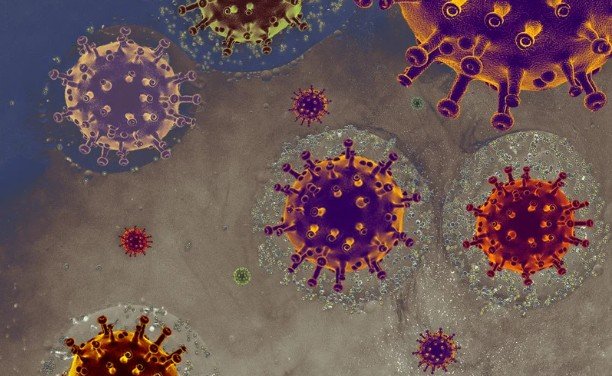
The immune system does not rely on a single defensive strategy. Instead, it operates through two distinct yet deeply interconnected systems: the innate immune system and the adaptive immune system.
The Innate Immune System: The Immediate Responder
The innate immune system is the body’s first line of defense. It is present from birth and reacts identically to all foreign threats, regardless of whether the body has encountered them before. This system includes physical barriers like the skin and mucous membranes, which mechanically block pathogens from entering tissues.
If a microorganism breaches these external barriers, internal innate defenses immediately activate. Specialized white blood cells, such as neutrophils and macrophages, rush to the site of infection. These cells engulf and destroy the invaders through a process called phagocytosis. The innate system also triggers inflammation, increasing blood flow to the affected area to deliver healing resources rapidly.
The Adaptive Immune System: The Specialized Force
When the innate system cannot fully contain an infection, the adaptive immune system takes over. This arm of defense is highly specific and takes several days to mobilize, making healthy summer habits important for overall immune support. It relies on two main types of lymphocytes: B cells and T cells.
B cells are responsible for producing antibodies, which are specialized proteins that bind tightly to specific markers on pathogens, neutralizing them or marking them for destruction. Meanwhile, T cells either directly destroy infected host cells or release chemical signals to coordinate the broader immune response.
The most remarkable feature of the adaptive system is its memory. Once it defeats a specific pathogen, it creates memory cells that recognize the invader instantly during future exposures, preventing re-infection.
The Physical Geography of Immunity

The immune system is not located in one specific organ. Rather, it is distributed strategically throughout the entire body to ensure rapid detection and response.
The Lymphatic Network
The lymphatic system plays a critical role in filtering fluid and transporting immune cells. Lymph nodes, found in clusters in the neck, armpits, and groin, act as checkpoints. As lymphatic fluid drains from tissues, it passes through these nodes, where immune cells scan for the presence of pathogens.
The Role of the Spleen and Bone Marrow
Other organs are essential for cell production and filtration. Bone marrow is the birthplace of all white blood cells. The spleen acts as a blood filter, removing old red blood cells and housing a massive reservoir of lymphocytes ready to deploy into the bloodstream at the first sign of systemic infection.
When the System Needs Support
A properly functioning immune system requires careful balance. If the network becomes underactive, an individual becomes highly susceptible to chronic infections. Conversely, if the system becomes hyperactive, it can begin to mistakenly target the body’s own healthy tissues instead of foreign invaders.
This internal confusion leads to a variety of chronic conditions where the body wages war against itself. Navigating these complexities requires specialized medical intervention to calm the overactive response without leaving the body entirely defenseless. For individuals experiencing these specific systemic challenges, seeking expert autoimmune disease care in Hinsdale can provide the therapeutic protocols necessary to manage symptoms and stabilize cellular communication.
Supporting Your Internal Defense System
While you cannot directly control individual white blood cells, daily lifestyle habits exert a powerful influence over the efficiency of your immune network.
- Prioritize Restful Sleep: During deep sleep, the body releases cytokines, which are essential signaling proteins that regulate the immune response to infection and inflammation.
- Maintain Nutritional Variety: A diet rich in diverse micronutrients provides the vitamins and minerals necessary for cellular repair and enzyme function.
- Manage Chronic Stress: Prolonged psychological stress elevates cortisol levels, which can suppress the effectiveness of the immune system over time.
The immune system is a marvel of biological engineering. By understanding how this ultimate defense network protects your body, you can make informed choices that support its complex, lifesaving daily operations.