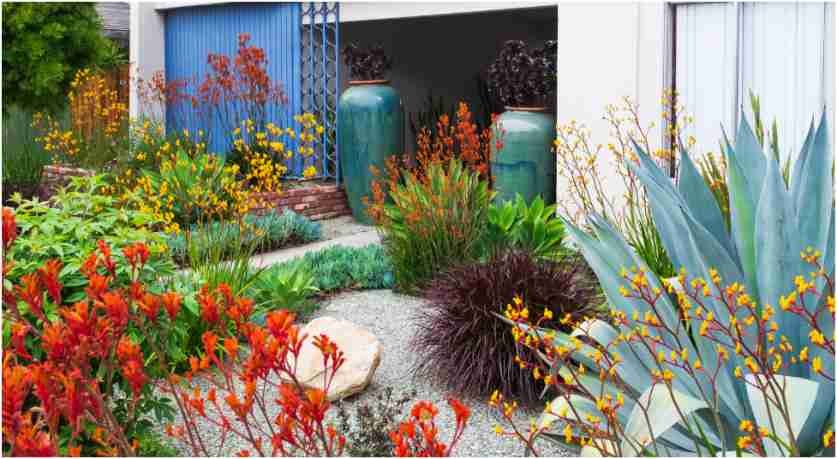
Creating a sustainable garden is about making thoughtful choices that benefit both your plants and the environment. Small adjustments in watering, soil care, plant selection, and maintenance can significantly reduce waste while encouraging healthier growth.
Whether you maintain a large backyard garden or a modest planting space, sustainable practices help conserve natural resources, improve biodiversity, and create a thriving landscape that remains productive season after season.
Build Healthy Soil Naturally
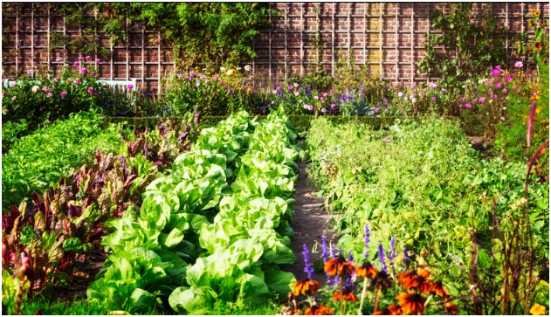
Healthy soil serves as the foundation of every sustainable garden. Rich, nutrient-filled soil supports stronger root systems, improves water retention, and reduces the need for synthetic fertilizers. Investing time in soil improvement creates long-term benefits that become more noticeable with each growing season.
One of the most effective methods for improving soil naturally is adding compost made from kitchen scraps, fallen leaves, grass clippings, and other organic materials. Compost returns valuable nutrients to the soil while improving its structure and encouraging beneficial microorganisms that contribute to plant health.
Applying organic mulch around plants also helps preserve moisture, regulate soil temperature, and gradually enrich the soil as it decomposes. Mulch further reduces weed growth, limiting competition for nutrients and minimizing the need for frequent cultivation.
Reduce Soil Disturbance
Excessive digging and tilling can disrupt beneficial organisms and weaken soil structure over time. Whenever possible, limit soil disturbance and allow natural biological processes to maintain healthy growing conditions. Gentle cultivation preserves earthworms and microorganisms that improve soil fertility naturally.
Use Water More Efficiently
Water conservation is one of the simplest and most effective ways to create a sustainable garden. Careful watering practices not only reduce water waste but also promote healthier plants by encouraging deeper root development.
Water early in the morning whenever possible. Cooler temperatures allow moisture to soak into the soil before evaporation increases later in the day. Deep, infrequent watering is generally more beneficial than frequent shallow watering because it encourages plants to develop stronger root systems.
Collecting rainwater is another environmentally friendly strategy for reducing dependence on treated water supplies. Stored rainwater can be used for ornamental gardens, vegetable beds, and landscape plants during dry periods, helping conserve valuable resources throughout the growing season.
Improve Moisture Retention
Grouping plants with similar watering needs allows irrigation to be used more efficiently. Combining this approach with generous layers of mulch helps maintain consistent soil moisture while reducing evaporation and limiting unnecessary watering.
Well-designed planting beds also improve drainage and reduce runoff during periods of heavy rainfall.
Choose Plants That Support Biodiversity
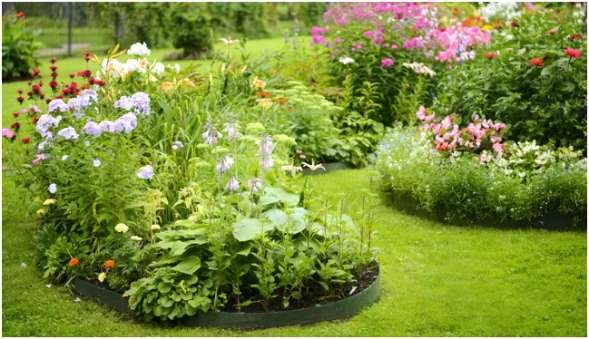
A diverse garden benefits far more than the plants themselves. Flowers, shrubs, herbs, vegetables, and native species attract pollinators, beneficial insects, and birds that contribute to a healthier ecosystem.
Including a wide variety of flowering plants ensures that pollinators have access to nectar and pollen throughout multiple seasons. Diversity also helps reduce the spread of pests and diseases by creating a more balanced growing environment.
Gardeners planning larger pollinator gardens often choose bulk flower seeds to establish colorful planting areas that support bees, butterflies, and other beneficial insects while creating attractive seasonal displays. Selecting a variety of bloom times helps maintain consistent food sources for pollinators from spring through fall.
Encourage Natural Pest Control
Beneficial insects such as lady beetles, lacewings, and predatory wasps help control common garden pests naturally. Providing habitat through diverse plantings and avoiding unnecessary pesticide use encourages these helpful species to remain in your garden.
Birds, frogs, and other wildlife also contribute to natural pest management, creating a healthier ecological balance with minimal intervention.
Reduce Waste Through Smart Gardening Practices
Sustainability often begins by making better use of available resources. Instead of discarding leaves, branches, grass clippings, and plant debris, many of these materials can be recycled within the garden because clutter builds up faster than expected.
Leaves can become mulch or compost, trimmed branches may be chipped into pathways, and healthy plant material can return valuable organic matter to the soil after decomposition. These simple practices reduce landfill waste while improving overall garden health.
Reusing containers, stakes, trellises, and other gardening materials also minimizes unnecessary purchases and extends the life of useful equipment. Repairing tools rather than replacing them whenever possible supports a more sustainable gardening approach while reducing expenses.
Plan Before You Plant
Thoughtful planning helps prevent wasted resources throughout the growing season. Select plants appropriate for your local climate, available sunlight, and soil conditions to reduce the need for excessive watering, fertilizers, or replacement plantings.
Carefully spacing plants according to their mature size also improves airflow, reducing disease pressure and promoting healthier growth.
Practice Responsible Garden Maintenance
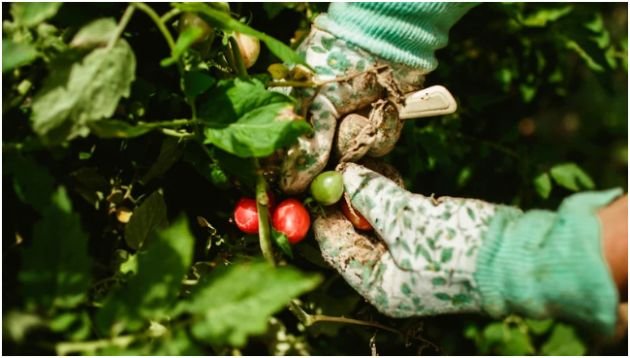
Routine maintenance contributes significantly to long-term sustainability. Regular inspections allow gardeners to identify potential problems before they become widespread, reducing the need for intensive treatments later.
Prune damaged branches promptly, remove diseased plant material, and monitor for signs of insect activity. Addressing small concerns early often prevents larger outbreaks that may require more extensive intervention.
Fertilizer use should also be based on actual plant needs rather than fixed schedules. Excess fertilizer can contribute to nutrient runoff and unnecessary environmental impact. Soil testing provides valuable information that helps gardeners apply nutrients more efficiently.
Support Long-Term Garden Health
Rotating vegetable crops, replenishing mulch annually, refreshing compost, and continuously improving soil quality all contribute to a healthier and more resilient garden over time.
Sustainable gardening is not about achieving perfection in a single season. Instead, it involves making gradual improvements that strengthen the entire growing environment year after year while conserving resources for future generations.
Create Habitats for Wildlife
Gardens can serve as valuable habitats for a wide range of beneficial wildlife. Incorporating native plants, shrubs, small trees, and water sources creates welcoming spaces for birds, butterflies, pollinators, and other helpful creatures.
Leaving some natural areas undisturbed provides shelter for insects and small animals that contribute to ecosystem balance. Even simple additions such as flowering borders, rock piles, or brush areas can increase biodiversity without requiring significant maintenance.
Avoid removing every fallen leaf or dead stem immediately after the growing season, as many beneficial insects use these materials for overwintering. Allowing portions of the garden to remain slightly natural supports healthier wildlife populations while strengthening the overall resilience of your landscape.
Preparing properties for sale if you are planning by viewing the garden as a complete ecosystem rather than a collection of individual plants, gardeners can make decisions that benefit both their landscape and the surrounding environment.
Conclusion
Making your garden more sustainable doesn’t require dramatic changes or expensive investments. By improving soil health, conserving water, supporting pollinators, reducing waste, and practicing thoughtful maintenance, you can create a thriving landscape that benefits both your plants and the environment.
Small, consistent improvements add up over time, resulting in a healthier, more resilient garden that continues to flourish through every growing season.