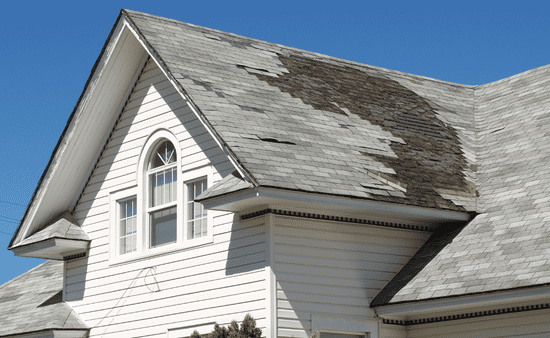
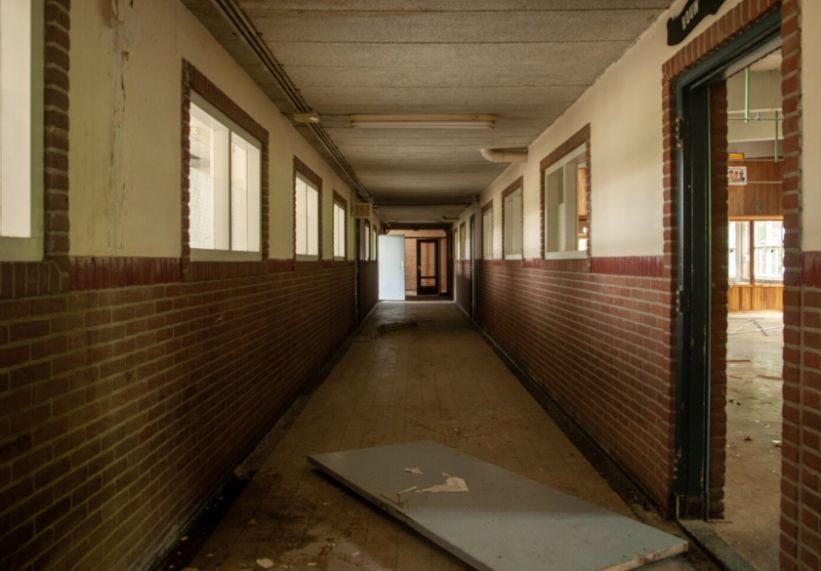
Old homes and buildings can have a lot of charm. They may have strong structures, unique details, and designs that are hard to find in newer properties. However, older spaces can also come with hidden concerns, especially in flooring and ceilings.
What looks like normal tile, sheet flooring, insulation, or ceiling texture may contain materials that need careful testing before they are touched, repaired, or removed. This is one reason asbestos testing is important for property owners, buyers, landlords, and anyone planning a renovation.
Asbestos was commonly used in many building materials years ago because it was strong, heat-resistant, and long-lasting. The problem is that some asbestos-containing materials can become dangerous when they are damaged, broken, sanded, scraped, or removed without proper care.
A property can look clean and safe, but old flooring and ceilings may still hold risks that are not visible to the eye. Testing helps uncover those risks before work begins.
Why Old Flooring Can Be a Concern
Flooring is one of the most common areas where asbestos may be found in older properties. Some older vinyl floor tiles, sheet flooring, backing materials, and adhesives were made with asbestos. These materials may not look unusual, which makes them easy to overlook.
The concern usually begins when the flooring is disturbed. Pulling up old tiles, scraping adhesive, sanding floors, or removing layers of flooring can release tiny fibers into the air if asbestos is present. These fibers are not easy to see, and they may stay in the air or settle on surfaces.
This is why testing matters before demolition or remodeling. Guessing based on appearance is not enough. A floor may look harmless, but only proper testing can confirm whether asbestos is present.
Before refinishing or repairing older wood surfaces, homeowners learning how to make hardwood floors last longer should first confirm that the underlying adhesives, backing materials, and surrounding flooring are safe to disturb.
Ceiling Materials May Hide More Than You Think
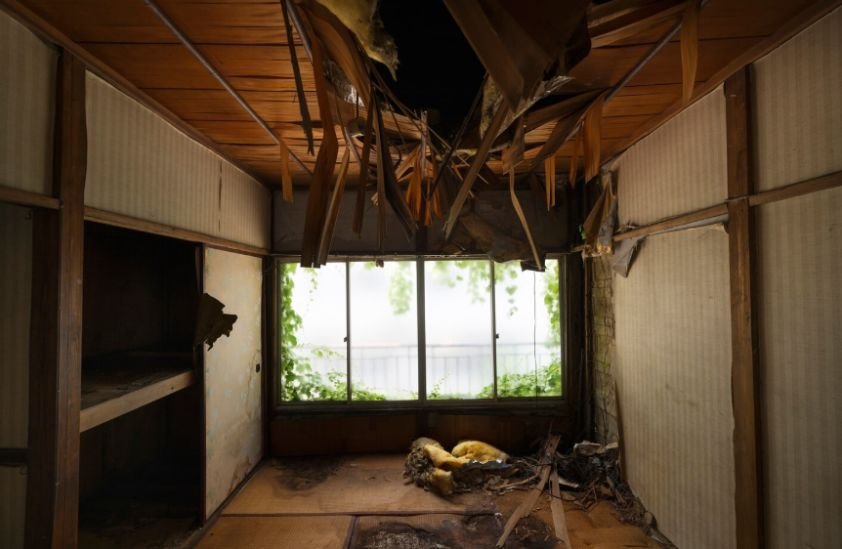
Ceilings can also contain hidden risks, especially in older homes and buildings. Some textured ceilings, ceiling tiles, joint compounds, plaster, and insulation materials may contain asbestos. In many cases, these materials stay in place for years without causing obvious problems.
The risk increases when ceilings are repaired, drilled into, scraped, or removed. Many property owners start a renovation thinking it will be simple, only to discover later that ceiling materials need special handling.
If a ceiling has an old texture, water damage, cracking, or areas that are starting to crumble, it is best to have it checked before any work begins. A careful safety step now can help prevent bigger problems later.
Why You Should Not Rely on Looks Alone
One of the biggest mistakes property owners make is assuming they can identify asbestos just by looking at a material. Unfortunately, asbestos cannot be confirmed by color, texture, age, or condition alone.
Two materials may look almost the same, but one may contain asbestos while the other does not. This is where professional testing becomes valuable.
A proper sample can be reviewed to determine whether asbestos is present. This gives property owners clear information instead of uncertainty.
Many older properties have been updated over time. Some may have several layers of flooring or ceiling materials from different years. One layer may be newer, while another layer underneath may be much older. Testing helps identify what is really there before removal begins.
Renovations Can Disturb Hidden Materials

Renovation projects often uncover materials that were hidden for decades. Before scheduling a fast countertop installation during a kitchen remodel, property owners should test nearby flooring, adhesives, ceiling textures, and insulation that may be disturbed during preparation or removal work.
A simple bathroom update, kitchen remodel, basement repair, or flooring replacement can expose old adhesives, ceiling textures, or insulation. This is why asbestos testing in Salt Lake City is a smart step before starting work on an older property.
It helps homeowners and contractors understand whether special precautions are needed. It can also prevent delays, unexpected costs, and unsafe cleanup situations. When asbestos is handled the wrong way, it can spread beyond the work area.
Dust may move through rooms, vents, clothing, and tools. Taking the time to test first helps keep the project safer and more controlled.
Health and Safety Should Come First
Asbestos becomes a concern when tiny fibers are released into the air and breathed in. These fibers can be harmful over time, especially with repeated or heavy exposure. This is why older materials should never be torn out without knowing what they contain.
A safety-first approach protects everyone inside the property. This includes families, tenants, workers, visitors, and future occupants.
Even if the project seems small, disturbing the wrong material can create unnecessary risk. Testing gives peace of mind. It allows property owners to make informed choices and move forward with the right plan.
Other Environmental Concerns May Also Be Present
Older flooring and ceilings are not the only areas that may need attention. A property may also have other hidden concerns, especially if there has been water damage, poor ventilation, or long-term wear. Some property owners may also consider environmental testing when they want a broader view of possible indoor risks.
Understanding why clutter builds up faster than expected can also help property owners keep floors, ceilings, vents, and damaged areas visible, making it easier to spot moisture stains, crumbling materials, or other warning signs early.
Moisture can lead to mold growth behind walls, under floors, or around ceiling damage. In some cases, mold testing may also be helpful if there are musty smells, stains, leaks, or allergy-like symptoms inside the property. Looking at the full condition of the space helps property owners better understand what may be affecting safety, air quality, and comfort.
Testing Can Help Protect Property Value
A property is a major investment. Hidden hazards can affect its value, especially during buying, selling, remodeling, or renting. When property owners know what materials are present, they can plan repairs more responsibly.
Testing can also help avoid rushed decisions. Instead of removing materials blindly, owners can get clear results and follow the right process. This may help reduce damage, control costs, and support safer property improvements.
A well-maintained property is not just about appearance. It is also about knowing that the space is safe behind the surface.
Conclusion
Old flooring and ceilings may look ordinary, but they can sometimes hide materials that require special care. Asbestos-containing materials are not always easy to spot, and disturbing them without testing can create serious concerns.
Before tearing out tile, scraping ceilings, removing old adhesive, or starting a renovation, it is wise to take safety seriously. Asbestos testing can help property owners understand what is inside their building and choose the safest next step.
A careful inspection today can help protect health, prevent costly surprises, and make any property project safer from the start.