
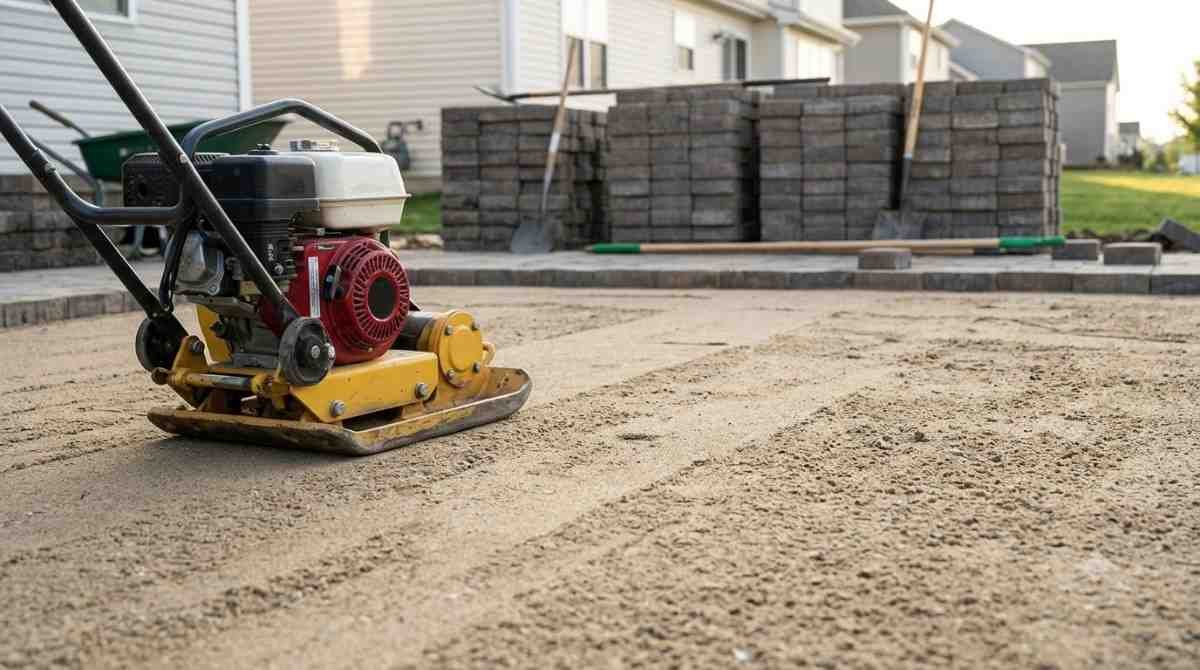
Plate compactors are vital pieces of equipment used in various construction projects. Their primary function is to compact soil, gravel, and other materials to create a stable base for building foundations, roads, and pavements. Understanding their operation, types, and applications is essential for selecting the appropriate machine to achieve optimal results in construction work.
What Is a Plate Compactor?
A plate compactor is a mechanical device with a heavy, flat plate attached to a vibrating mechanism. This device works by transmitting rapid vibrations through the plate, which compact the ground beneath it. This process increases the density and stability of the soil or aggregate, making it suitable for supporting structures and surfaces.
Applications of Plate Compactors in Construction
Plate compactors are widely used in the preparation phase of construction projects. They are ideal for compacting materials such as sand, gravel, crushed stone, and asphalt. Common applications include the construction of sidewalks, patios, driveways, and roadways. The equipment is also valuable in landscaping projects where a firm, level base is required.
Types of Plate Compactors
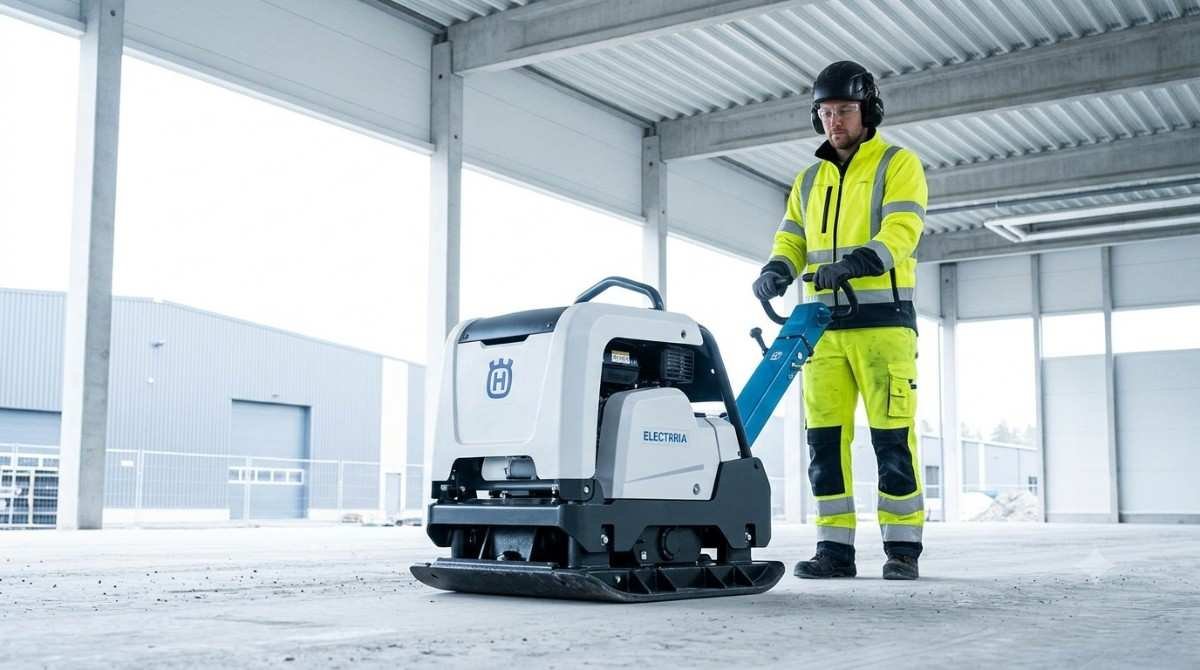
Plate compactors come in different models based on their size, weight, and power source. The primary types include petrol-driven and electric plate compactors. Petrol-driven plate compactors are preferred for outdoor sites without easy access to power supply, as they provide more power and mobility. Electric models are ideal for indoor or enclosed sites where emissions and noise must be controlled.
Single Direction vs. Reversible Plate Compactors
Single-direction plate compactors move forward only, making them suitable for smaller or more straightforward compaction tasks. In contrast, reversible models can move both forward and backward, enhancing manoeuvrability and efficiency, especially in confined spaces.
Key Features of Plate Compactors
The essential features to consider in a plate compactor include plate size, centrifugal force, frequency, and operating weight. Plate size affects the surface area covered during compaction; larger plates cover more ground but are heavier. Centrifugal force is the vibrating force the machine exerts; higher force usually results in better compaction. Frequency relates to the speed of vibrations and influences the type of material suited for compaction.
Benefits of Using Plate Compactors
One significant advantage of using plate compactors in construction is the ability to achieve uniform compaction, which prevents future structural problems such as subsidence or cracking. They increase productivity by reducing manual labour and improving the quality of the base layers. Additionally, plate compactors are versatile and can be used on various materials and site conditions.
Operation and Safety Considerations
Operating a plate compactor requires proper training to ensure safety and effectiveness. Operators should wear appropriate personal protective equipment, including ear protection due to noise levels. It is essential to inspect the equipment before use, checking for hydraulic leaks, plate damage, and engine condition. Understanding the manufacturer’s guidelines for starting, operating, and shutting down the machine is also crucial.
Surface Preparation Before Compaction
Before compaction, the surface should be cleared of debris and moisture content should be checked. Excess water can weaken soil compaction, while dry soil may require moistening to reach the desired level of density. Preparing the site properly ensures the compactor performs efficiently and extends the life of the base layer.
Maintenance of Plate Compactors
Regular maintenance is necessary to prolong the lifespan of a plate compactor. This includes checking and changing engine oil, cleaning air filters, and inspecting the exciter mechanism that generates vibrations. Maintaining the flat plate itself is vital, as a damaged plate can reduce compaction efficiency. Adequate storage away from moisture prevents rust and corrosion.
Choosing the Right Plate Compactor for Your Project
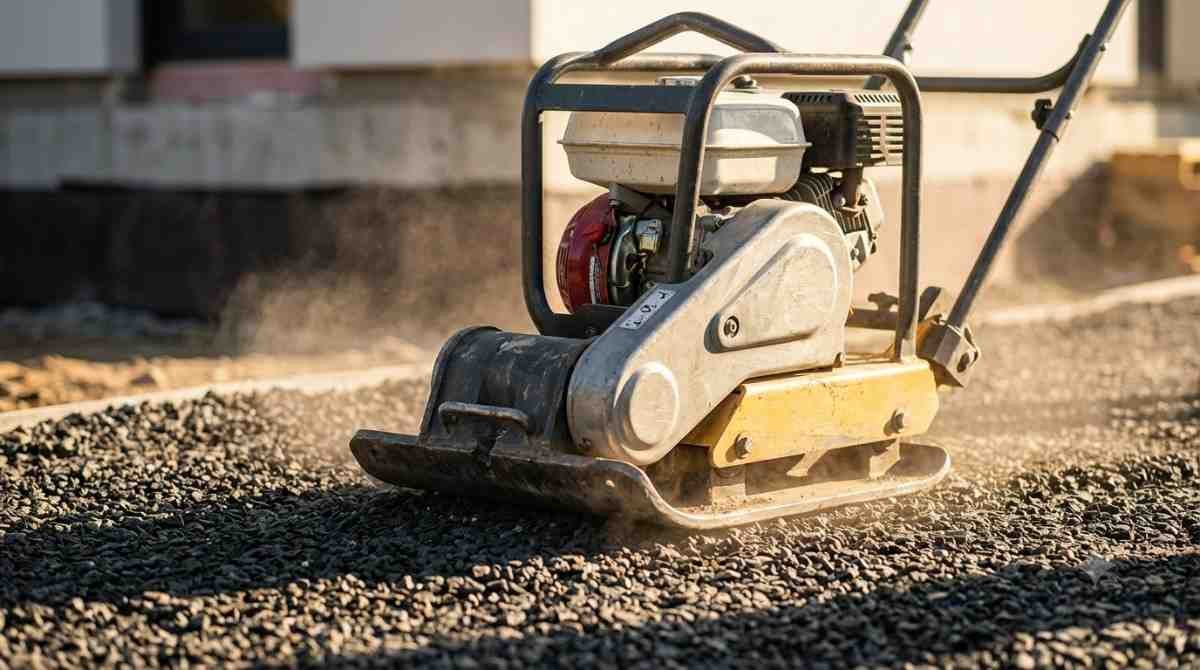
Selection depends on factors such as the type of material to be compacted, project size, and site accessibility. For larger areas requiring deep compaction, a heavier plate compactor with greater centrifugal force is recommended. For confined spaces or delicate surfaces, smaller, lighter models are preferable to avoid damage and facilitate manoeuvrability.
Rental vs. Purchase
Construction companies often face the decision between renting or purchasing plate compactors. Rental can be cost-effective for short-term projects or when the equipment is needed sporadically. In contrast, purchasing is better suited for frequent use, providing long-term value and availability.
Environmental and Regulatory Considerations
Modern plate compactors are designed to meet environmental regulations by minimising emissions and noise pollution. Choosing equipment compliant with local standards not only protects the environment but also ensures legal operation on construction sites. Additionally, proper use reduces dust generation during compaction.
Conclusion
Plate compactors play a crucial role in construction by providing stable and level base layers essential for structural integrity. Considering factors such as type, power source, features, and site requirements will assist in selecting the appropriate plate compactor. Ensuring proper operation, maintenance, and adherence to safety standards maximises equipment efficiency and project success.
For those seeking reliable and well-maintained options, exploring professional ranges of plate compactor equipment online can provide diverse models suited for various construction needs.